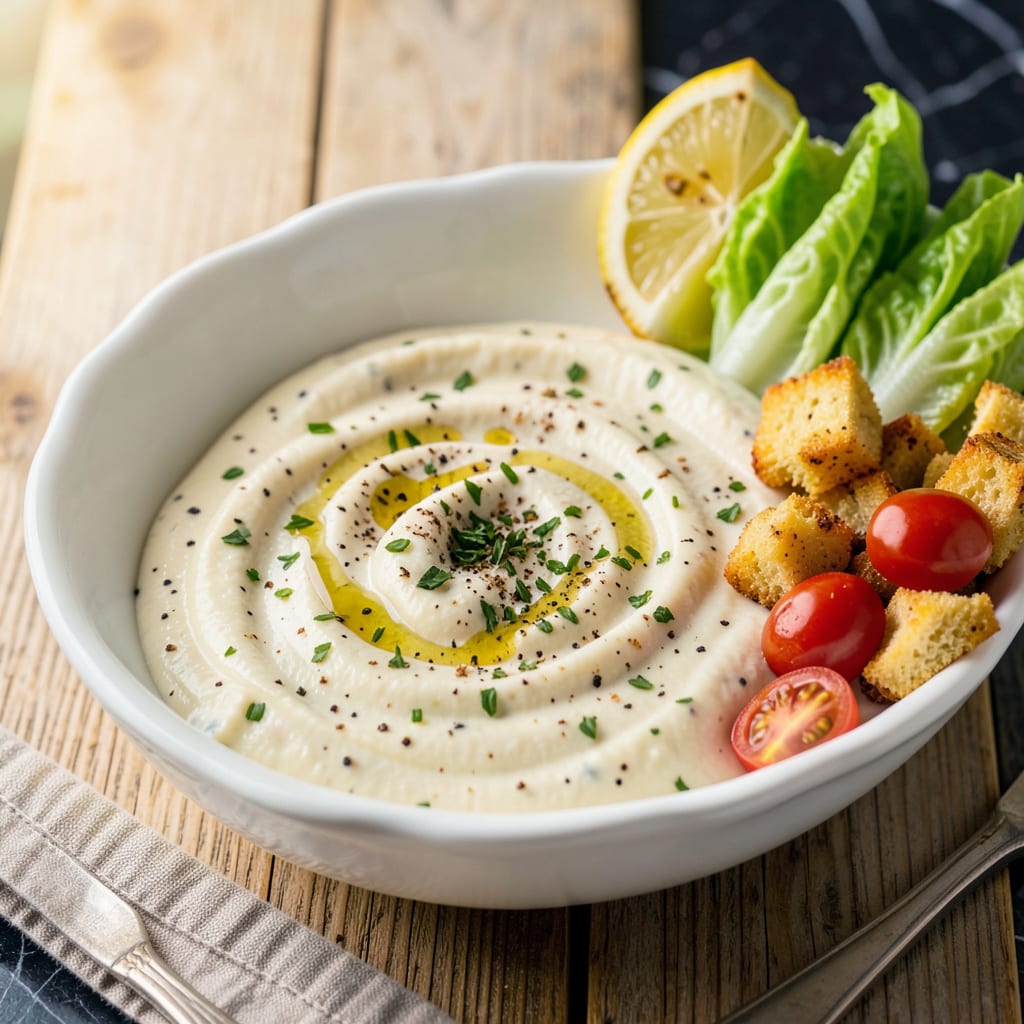
This copycat version combines mayonnaise, buttermilk, sour cream, and a blend of dried herbs like parsley, dill, and garlic powder for that signature tangy, creamy flavor. A pinch of paprika adds subtle warmth to mimic the restaurant’s iconic dressing.
What sets this homemade version apart is how the buttermilk’s acidity cuts through the richness of the mayo and sour cream, creating that perfect balance. 🔥 I’ve tested countless ratios and found the herb combination is what truly replicates that restaurant-quality depth—especially when you let the flavors meld for at least 2 hours in the fridge. The paprika isn’t just for color; it adds a whisper of smokiness that makes this dressing irresistibly complex.
Many copycat recipes miss the mark by overloading on garlic or using fresh herbs, which can make the dressing taste flat or watery. ✨ My version stays true to the original by sticking with dried herbs—they absorb moisture differently and maintain that thick, clingy consistency Cheesecake Factory fans expect.
💡 In This Article
- Key Ingredients That Define Cheesecake Factory Ranch Flavor
- Step-by-Step Mixing and Storage Tips for Perfect Ranch
Key Ingredients That Define Cheesecake Factory Ranch Flavor
The magic starts with buttermilk’s lactic acid, which provides that signature tang while tenderizing the dressing’s structure. At about 4.5% acidity, it cuts through the fat from mayonnaise and sour cream perfectly. The buttermilk also contains casein proteins that help stabilize the emulsion, preventing that dreaded separation you sometimes see in homemade dressings. 🔥
Mayonnaise acts as the creamy backbone, with its 70-80% fat content creating that luxurious mouthfeel. The egg yolks in mayo contain lecithin—a natural emulsifier that binds the oil and water components. I’ve found that full-fat mayo (like Hellmann’s) works best because it maintains the dressing’s body better than low-fat versions.
Sour cream adds another layer of richness while contributing its own lactic acid for complexity.
The herb blend isn’t just for flavor—it’s about balance. Dried parsley and dill provide earthy, slightly grassy notes without overpowering, while garlic powder (about 1/2 teaspoon per cup of dressing) gives that savory punch.
The paprika isn’t just decorative; its mild heat and smokiness come from capsaicin and volatile oils that bloom when mixed with the fats in the dressing. ✨
Here’s what most home cooks miss: the salt content matters more than you think. Cheesecake Factory’s version contains about 1.2% salt by weight, which enhances all other flavors through ionic bonding with taste receptors. Too little salt makes the dressing taste flat, while too much can make the herbs taste bitter.
The sweet spot is typically 3/4 teaspoon of kosher salt per cup of finished dressing.
The texture secret lies in the fat-to-liquid ratio. With approximately 60% fat content from the mayo and sour cream balanced by the buttermilk’s moisture, you get that perfect pourable-yet-clingy consistency. This ratio also means the dressing coats salad leaves beautifully without pooling at the bottom of the bowl.
The emulsification process is stabilized by both the lecithin in mayo and the proteins in buttermilk, creating a dressing that stays smooth for days. 💫
Temperature plays a crucial role in flavor development. When you chill the dressing for at least 2 hours, the fat molecules crystallize slightly, which helps lock in the herb flavors. This is why freshly made ranch often tastes different after refrigeration—the flavors have time to meld and the texture becomes more cohesive.
The ideal serving temperature is 45-50°F, where the flavors are most vibrant but the dressing still flows smoothly.
For those watching their diet, the calorie breakdown is about 120-140 calories per 2-tablespoon serving, with most coming from the fat content. The protein content is minimal (about 0.5g per serving), but the fat-soluble vitamins from the dairy components make it more nutritious than you might expect.
The sodium content typically runs about 220-250mg per serving, which is why that salt balance is so critical to the overall taste experience. ⚡

Trained in classic French technique but raised on slow-cooked ribs and spicy rubs, she blends culinary skill with smoke and soul.
- Recipe for Boneless Pork Chops in Cast Iron Skillet: Sear and Baste to Juicy Perfection - October 3, 2026
- Recipe for Boneless Cross Rib Roast: Slow-Roasted Beef with Herb Crust - October 3, 2026
- Hamburgers in Sauce Recipe Crock Pot: Slow-Cooked Savory Delight - October 3, 2026