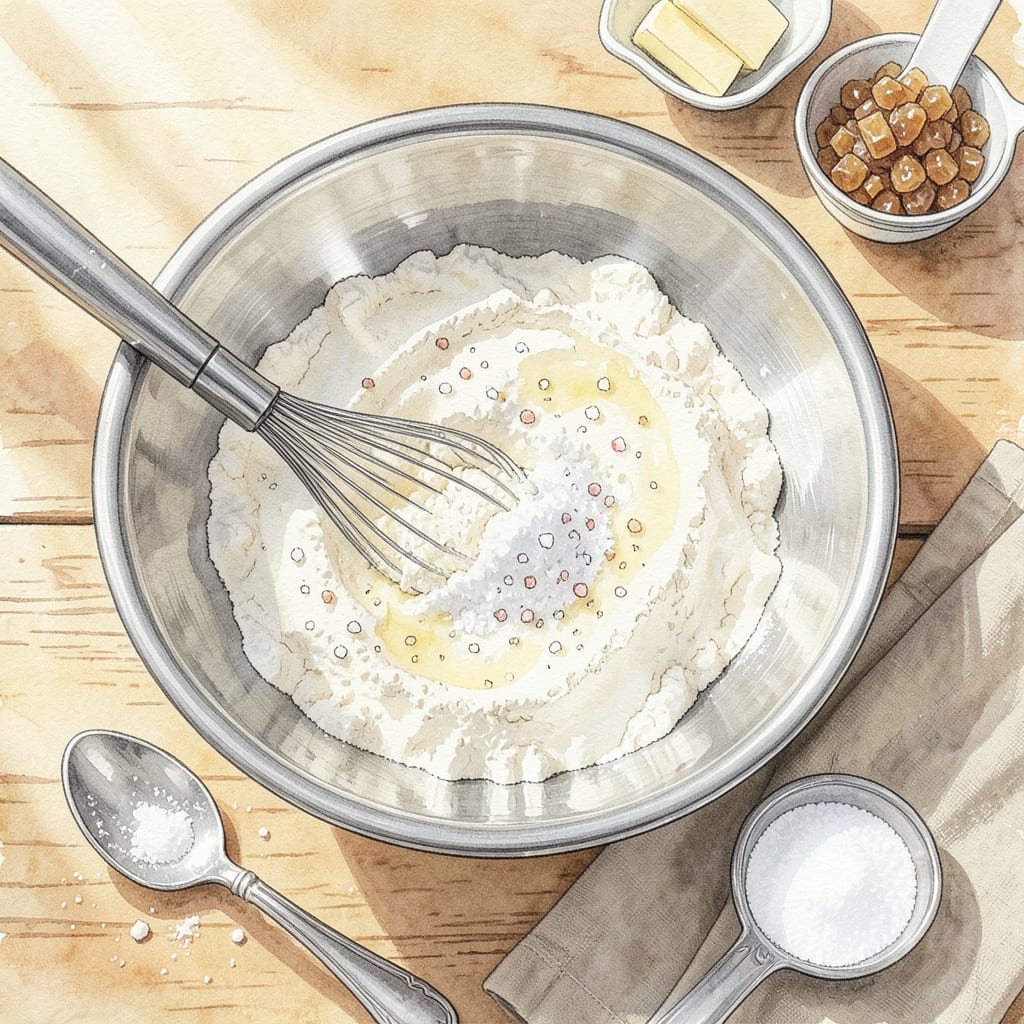
There’s something deeply satisfying about pulling a tray of perfectly baked chocolate chip cookies from the oven—the kind that stay soft and chewy for days. This recipe delivers that classic bakery-style texture with crisp edges and centers that melt in your mouth. I’ve tested variations for years, and this method consistently produces cookies that rival any gourmet brand.
The secret lies in the balance of brown and white sugars, which creates caramel notes while maintaining structure. A slightly longer baking time at 325°F ensures even cooking without over-browning. What emerges is a cookie with professional-quality texture and flavor—proof that extraordinary results come from simple, precise techniques.
Ingredients for Cheryl’s Cookies
These carefully selected ingredients create bakery-quality chocolate chip cookies with crisp edges and chewy centers.
| Ingredient | Amount | Notes |
|---|---|---|
| All-Purpose Flour 🌾 | 2 ¼ cups | Spoon and level for accuracy |
| Baking Soda 🧂 | 1 tsp | Ensures proper rise and texture |
| Salt 🧂 | 1 tsp | Diamond Crystal kosher preferred |
| Unsalted Butter 🧈 | 1 cup | Melted and slightly cooled |
| Light Brown Sugar 🍚 | 1 ¼ cups | Packed for moisture retention |
| Granulated Sugar 🍚 | ½ cup | Balances sweetness and texture |
| Large Eggs 🥚 | 2 whole | Room temperature for even mixing |
| Vanilla Extract 🌿 | 2 tsp | Pure extract for best flavor |
| Semi-Sweet Chocolate Chips 🍫 | 2 cups | High-quality for melty pockets |
| Chopped Walnuts 🌰 | 1 cup | Toasted for enhanced flavor |
[recipe_ingredient_scaler]
The butter quality is paramount for texture. European-style unsalted butter (like Plugrá or Kerrygold) yields superior flavor due to higher fat content. Brown sugar should be light brown—dark brown can overpower the caramel notes. For chocolate chips, Ghirardelli or Guittard brands provide consistent melt and flavor. Measure flour by spooning into the cup and leveling—never scoop directly from the bag (this ensures proper aeration).
For nut-free versions, omit walnuts entirely or substitute with toasted oats for texture. Vanilla extract alternatives include vanilla bean paste (use 1:1 ratio) or vanilla powder (half the quantity). If avoiding refined sugar, coconut sugar can replace granulated sugar, though cookies will spread less. Butter substitutes like vegan butter (Miyoko’s) work but may alter texture slightly—expect a slightly denser cookie.
Store dough in an airtight container for up to 3 days refrigerated, or freeze in scooped portions for 3 months. Baked cookies maintain optimal texture for 5 days in a sealed container at room temperature. For longer storage, freeze baked cookies in layers separated by parchment paper—they reheat beautifully at 300°F for 5 minutes.
Step-by-Step Instructions for Soft-Baked Chocolate Chip Cookies
This professional method ensures consistently perfect cookies with crisp edges and soft, chewy centers.
Step 1: Prepare the Dry Ingredients
In a medium bowl, whisk together the 2.25 cups All-Purpose Flour, 1 tsp Baking Soda, and 1 tsp Salt until completely combined. I recommend spooning the flour into your measuring cup and leveling it off with a straight edge for precise measurement. This prevents overpacking, which could lead to dense cookies.
The baking soda ensures proper rise and texture, while the salt enhances flavor balance. Set this mixture aside while you prepare the wet ingredients. Properly combined dry ingredients distribute evenly throughout the dough, preventing pockets of flour or uneven baking.
Step 2: Cream Butter and Sugars
In a stand mixer fitted with the paddle attachment, beat the 1 cup Unsalted Butter (melted and slightly cooled) with the 1.25 cups Light Brown Sugar and 0.5 cup Granulated Sugar on medium speed for 3-4 minutes. The mixture should become light in color and fluffy in texture, nearly doubling in volume.
This creaming process incorporates air into the dough, which contributes to the cookies’ final texture. The light brown sugar adds moisture retention for chewiness, while the granulated sugar promotes crisp edges. Ensure the butter is properly cooled to prevent melting the sugars prematurely.
Step 3: Incorporate Eggs and Vanilla
Add the 2 whole Large Eggs, one at a time, mixing on low speed for 30 seconds after each addition until fully incorporated. Then add the 2 tsp Vanilla Extract and mix for another 10 seconds. Room temperature eggs incorporate more evenly into the batter, creating a smoother dough.
The mixture may appear slightly curdled after adding the eggs, but this will resolve when combined with the dry ingredients. The vanilla extract should be pure for optimal flavor development. Avoid overmixing at this stage to prevent gluten formation.
Step 4: Combine Wet and Dry Ingredients
With the mixer on low speed, gradually add the prepared dry ingredients to the wet mixture. Mix just until the flour is incorporated and no streaks remain, about 45 seconds. Overmixing at this stage develops gluten, which can make cookies tough rather than tender.
Remove the bowl from the mixer. Using a silicone spatula, fold in the 2 cups Semi-Sweet Chocolate Chips and 1 cup Chopped Walnuts by hand. This ensures even distribution without overworking the dough. The chocolate chips should be high-quality for optimal melting properties.
Step 5: Chill and Bake
Cover the dough and refrigerate for at least 30 minutes (preferably 1 hour). Chilling solidifies the butter, preventing excessive spreading during baking. Preheat your oven to 350°F during the last 15 minutes of chilling time.
Scoop the dough into 2-tablespoon portions and place them 3 inches apart on parchment-lined baking sheets. Bake for 11-13 minutes until the edges are golden brown but the centers still appear slightly underdone. The cookies will continue to set as they cool on the baking sheet for 5 minutes before transferring to a wire rack.
Common Mistakes When Making This Dish
Overmixing the Dough
Once you add the All-Purpose Flour, mix just until the ingredients combine—about 45 seconds on low speed. Overmixing develops gluten, which creates tough, dense cookies instead of tender ones. I learned this the hard way when my first batch came out more like hockey pucks than cookies! 💪
Skipping the Chill
Don’t rush the 30-minute chill time (or better yet, 1 hour). This step solidifies the butter, preventing excessive spreading. Warm dough creates flat, greasy cookies. I once baked a batch straight from mixing, and they merged into one giant cookie—lesson learned! ❄️
Incorrect Butter Temperature
The butter should be melted and slightly cooled—not piping hot or rock-hard. Too-hot butter melts the sugars prematurely, while cold butter won’t cream properly. I test it by touching the bowl’s side; it should feel warm but not hot to the touch.
Overbaking the Cookies
Pull them out when edges are golden brown but centers still look slightly underdone at 11-13 minutes. They’ll continue cooking on the baking sheet. Overbaked cookies lose that magical soft center. My trick? Set a timer for 10 minutes, then watch closely.
Using Wrong Sugar
Stick to light brown sugar (packed) and granulated sugar—no substitutions. Dark brown sugar overpowers, and alternative sweeteners alter texture. The brown sugar’s molasses creates that signature chewiness, while granulated sugar ensures crisp edges. Trust me, I’ve tested them all!
Incorrect Measuring
Spoon All-Purpose Flour into your measuring cup and level it—never scoop directly from the bag. Packed flour adds extra density, leading to dry, crumbly cookies. For brown sugar, pack it firmly into the cup. These small details make all the difference in texture. ✨
Nutrition Facts

Trained in classic French technique but raised on slow-cooked ribs and spicy rubs, she blends culinary skill with smoke and soul.
- Recipe for Boneless Pork Chops in Cast Iron Skillet: Sear and Baste to Juicy Perfection - October 3, 2026
- Recipe for Boneless Cross Rib Roast: Slow-Roasted Beef with Herb Crust - October 3, 2026
- Hamburgers in Sauce Recipe Crock Pot: Slow-Cooked Savory Delight - October 3, 2026