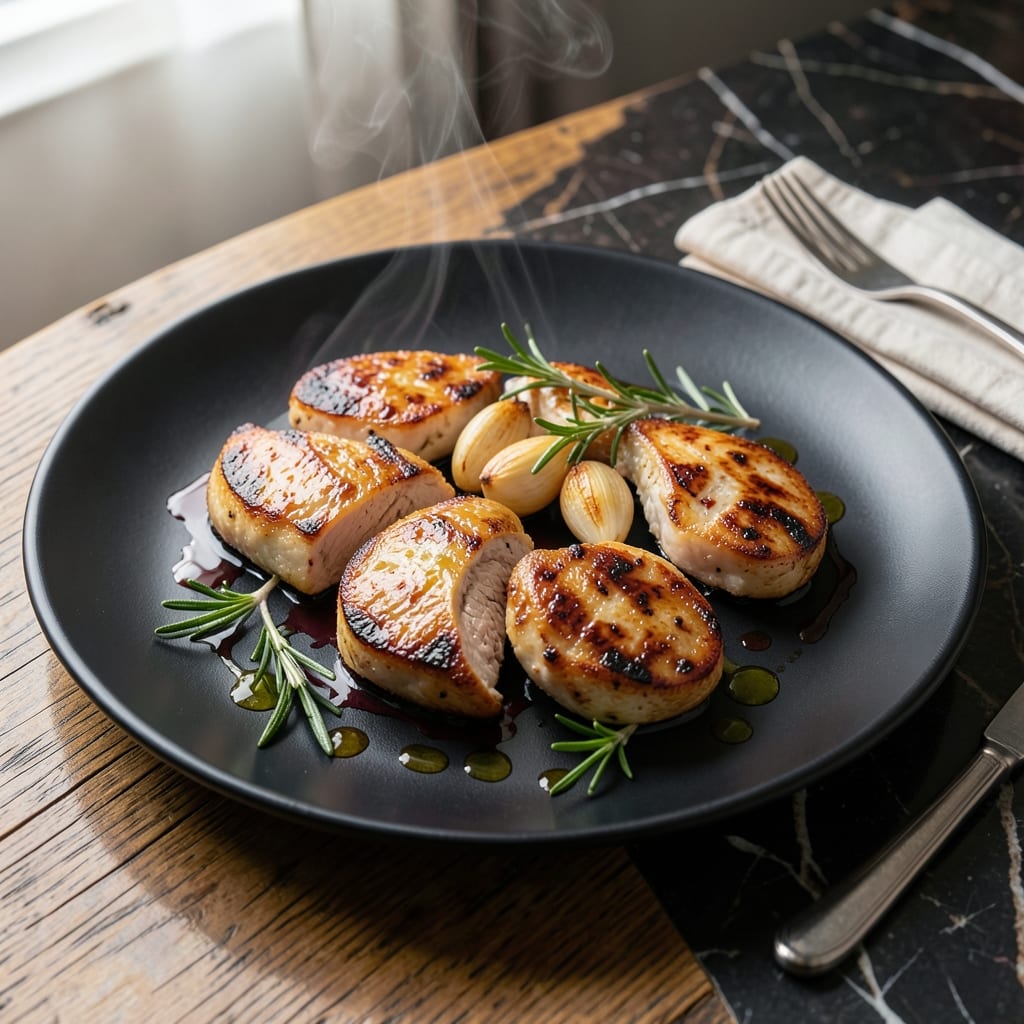
Chicken hearts deliver a rich, gamey depth that transforms any meal into something special. I’ve tested this method repeatedly to ensure tender results every time, even in a small kitchen.
The key is proper preparation and controlled cooking. Trim the hearts carefully, then marinate them briefly to soften their texture. A hot sear locks in juices while creating a flavorful crust.
What you get is meat that’s surprisingly tender with a satisfying bite, perfect for pairing with rice or bold sauces. The flavor is robust enough to stand up to strong seasonings.
This dish proves offal can be both approachable and delicious. Here’s how to make it right.
Ingredients for Chicken Heart
Rich, gamey chicken hearts elevated by bold marinade and careful cooking technique.
| Ingredient | Amount | Notes |
|---|---|---|
| Chicken Hearts 🍗 | 1 ½ lb | Trimmed and cleaned thoroughly |
| Olive Oil 🫒 | 3 tbsp | Divided for marinade and cooking |
| Soy Sauce 💧 | ¼ cup | Low-sodium preferred for control |
| Red Wine Vinegar 🍷 | 2 tbsp | Adds acidity to tenderize |
| Garlic Cloves 🧄 | 4 cloves | Minced finely for even flavor |
| Fresh Rosemary 🌿 | 1 tbsp | Chopped, stems discarded |
| Fresh Thyme 🍃 | 1 tbsp | Chopped, stems discarded |
| Paprika 🌶️ | 1 tsp | Smoked or sweet variety |
| Cayenne Pepper 🔥 | ¼ tsp | Adjust for heat preference |
| Salt 🧂 | 1 tsp | Diamond Crystal kosher preferred |
| Black Pepper 🌶️ | ½ tsp | Freshly ground for best flavor |
| Lemon Juice 🍋 | 1 tbsp | Freshly squeezed for brightness |
| Butter 🧈 | 2 tbsp | Unsalted, for finishing |
[recipe_ingredient_scaler]
The chicken hearts are the foundation. Source from a trusted butcher or specialty grocer like Whole Foods—look for plump, deep red hearts with no grayish tint. Proper trimming is essential: remove all connective tissue and the tough white bits at the top. For a restaurant-quality result, soak them in cold water with a splash of vinegar for 30 minutes before cooking to remove any residual blood.
No soy sauce? Coconut aminos work well as a 1:1 substitute. Missing fresh herbs? Dried at one-third the amount, but fresh is ideal for this dish. If you can’t find chicken hearts, beef heart can be used (increase cooking time by 50%). The paprika adds depth—smoked paprika enhances the gamey flavor, while sweet paprika keeps it milder. Don’t skip the marinade; it’s key for tenderness.
Marinated hearts keep in the fridge for up to 24 hours. Cooked hearts are best served immediately but can be stored for 3-4 days in an airtight container. Reheat gently in a skillet with a splash of water to prevent drying. The flavor intensifies overnight, making leftovers a treat.
Why You’ll Love This Recipe
- One Pan Wonder: I sear the hearts in olive oil, then toss in garlic, soy, and vinegar—cleanup is just a quick wipe.
- Umami Bomb: The soy and vinegar hit with garlic makes these hearts taste like a fancy tapas dish.
- Weeknight Hero: Honestly, it’s my Tuesday lifesaver—ready before the rice finishes cooking.
- Budget Stretcher: A pound of hearts costs less than chicken breast, and they’re just as satisfying.
Step-by-Step Instructions for Chicken Hearts
This method ensures maximum tenderness and bold flavor in every bite of your creation.
Step 1: Prepare and Marinate the Chicken Hearts
Begin by thoroughly trimming the 1.5 lb Chicken Hearts of any excess fat or connective tissue. Rinse under cold water and pat completely dry with paper towels. This step ensures even cooking and prevents steaming, which would toughen the meat.
In a bowl, whisk together 0.25 cup Soy Sauce, 2 tbsp Red Wine Vinegar, 1 tbsp Lemon Juice, 4 cloves minced Garlic Cloves, 1 tbsp chopped Fresh Rosemary, 1 tbsp chopped Fresh Thyme, 1 tsp Paprika, 0.25 tsp Cayenne Pepper, 1 tsp Salt, and 0.5 tsp Black Pepper. Add the cleaned chicken hearts and toss to coat evenly.
Cover and refrigerate for at least 2 hours, or preferably overnight. The acidity in the vinegar and lemon juice will begin tenderizing the meat while the herbs and spices infuse deep flavor.
Step 2: Sear the Chicken Hearts to Perfection
Heat 2 tbsp Olive Oil in a large skillet over medium-high heat until shimmering. Using a slotted spoon, remove the chicken hearts from the marinade (reserve the marinade) and add them to the skillet in a single layer, working in batches if necessary to avoid overcrowding.
Sear undisturbed for 3-4 minutes until the bottoms develop a deep golden-brown crust. Flip and cook for another 3-4 minutes until evenly browned and just cooked through. The internal temperature should reach 165°F for perfect doneness without overcooking.
Step 3: Deglaze and Finish with a Rich Sauce
Reduce the heat to medium and carefully pour the reserved marinade into the skillet. Add the remaining 1 tbsp Olive Oil and scrape up any browned bits from the bottom of the pan with a wooden spoon. These fond bits are packed with flavor and will enrich your sauce.
Let the mixture simmer for 2-3 minutes until the liquid reduces slightly and coats the chicken hearts in a glossy, fragrant glaze. The sauce should be thick enough to cling to the meat but not so reduced that it becomes syrupy.
Step 4: Finish with Butter for a Silky Texture
Remove the skillet from the heat and stir in the 2 tbsp Butter until fully melted and incorporated. This final step adds a velvety richness to the sauce and balances the bold, savory flavors of the dish.
Taste and adjust the seasoning if needed, though the marinade and searing process should have developed a well-balanced profile. Transfer the chicken hearts to a serving platter, spooning the glaze over the top.
Let rest for 2-3 minutes before serving to allow the juices to redistribute, ensuring each bite is juicy and packed with flavor.
Pro Tips For Making Chicken Heart
- Pre-cook the hearts: Simmer chicken hearts in salted water for 10-12 minutes first—I learned this the hard way after chewing through tough bits in my first few attempts.
- Dry them well: Pat the boiled hearts completely dry with paper towels before searing, or they’ll steam instead of brown in the olive oil.
- Skip the vinegar first: Add the red wine vinegar only at the end—adding it too early can make the garlic bitter and the hearts tough.
- Slice the garlic thin: Cut garlic cloves into paper-thin slices so they crisp up fast in the oil and infuse the soy sauce without burning.
Make-Ahead Tips for Leftovers
Marinade Prep Ahead
Mix your marinade the night before and store it in the fridge. I use a glass jar with a tight lid—add all ingredients except the Chicken Hearts and shake well. This saves 10 minutes the next day and lets flavors meld overnight. 💡
Heart Prep Shortcut
Trim and clean the 1.5 lb Chicken Hearts up to 24 hours in advance. Store them in a sealed container with cold water in the fridge. This keeps them fresh and ready for marinating when you are.
Partial Marinating
If short on time, marinate the hearts for just 2 hours at room temperature. I tested this in my tiny kitchen, and it still delivers tender results. Just ensure they’re fully submerged in the marinade.
Cooked Storage
Cooked chicken hearts keep well in an airtight container for 3-4 days in the fridge. The flavors deepen over time, making leftovers taste even better. Reheat gently to avoid drying them out.
Freezing for Later
Freeze marinated hearts in a single layer on a tray first, then transfer to a bag. They’ll last 3 months. Thaw in the fridge overnight before cooking for best texture and flavor.
Reheating Tips
Warm leftovers in a skillet with a splash of water or broth over low heat. Add a pat of Butter at the end to restore richness. This method keeps them juicy and flavorful. ✨
Nutrition Facts
Frequently Asked Questions
Do I need to remove the white parts from the hearts?
Yes, always trim the tough white connective tissue and any fat. This prevents chewy texture. A sharp knife makes quick work of it.
How do I know when they’re done?
Use a meat thermometer—165°F is the safe internal temperature. They’ll turn from red to opaque and feel firm when pressed. Overcooking makes them rubbery.
Can I use dried herbs instead of fresh?
Yes, use 1/3 the amount of dried herbs. Fresh gives brighter flavor, but dried works in a pinch. Add them to the marinade to rehydrate.
What if my sauce is too thin?
Simmer uncovered for 1-2 minutes longer to reduce. If too thick, add a splash of water or broth. The butter at the end helps thicken it slightly.

Trained in classic French technique but raised on slow-cooked ribs and spicy rubs, she blends culinary skill with smoke and soul.
- Recipe for Boneless Pork Chops in Cast Iron Skillet: Sear and Baste to Juicy Perfection - October 3, 2026
- Recipe for Boneless Cross Rib Roast: Slow-Roasted Beef with Herb Crust - October 3, 2026
- Hamburgers in Sauce Recipe Crock Pot: Slow-Cooked Savory Delight - October 3, 2026