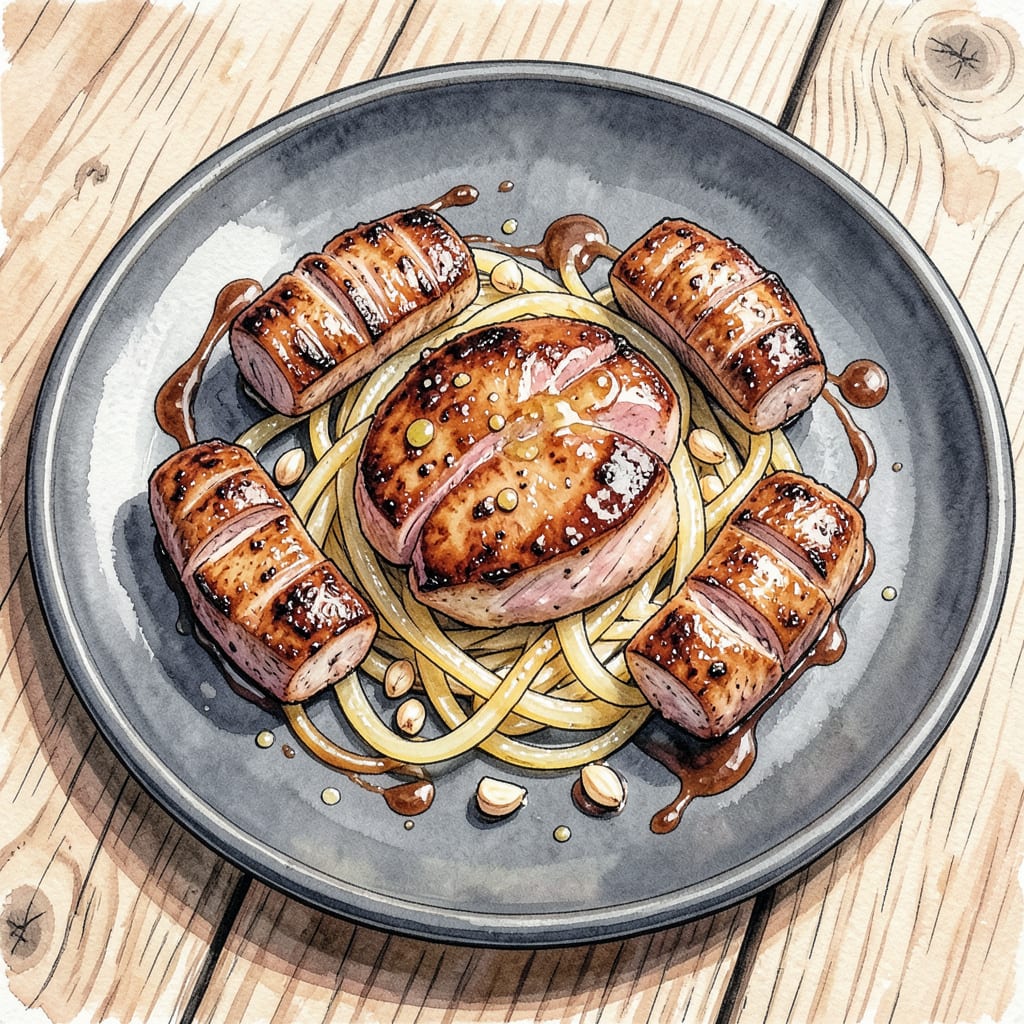
There’s something deeply satisfying about transforming humble offal into a dish that feels both rustic and refined. This recipe for chicken liver and gizzards brings together rich, iron-packed flavors with simple techniques that yield comforting, restaurant-worthy results. I’ve spent years perfecting the balance between tender texture and bold seasoning—no gamey aftertaste, just pure, hearty satisfaction.
The key lies in proper preparation and controlled cooking. Cleaned gizzards become melt-in-your-mouth tender when simmered just right, while livers develop a velvety texture when cooked to that perfect rosy center. Paired with caramelized onions and a splash of acid to brighten the richness, this one-skillet dish proves that offal can be both approachable and extraordinary. Serve with crusty bread to soak up every last bite.
Ingredients for Chicken Liver and Gizzard
Rich, iron-packed offal meets pantry staples for a dish that balances rustic heartiness with refined technique.
| Ingredient | Amount | Notes |
|---|---|---|
| Chicken Livers 🍗 | 1 lb | Trimmed, rinsed, patted dry |
| Chicken Gizzards 🍗 | 1 lb | Cleaned, membranes removed |
| Unsalted Butter 🧈 | 4 tbsp | Divided for cooking stages |
| Extra-Virgin Olive Oil 🫒 | 2 tbsp | For initial searing |
| Yellow Onions 🧅 | 2 whole | Thinly sliced for caramelization |
| Garlic Cloves 🧄 | 4 cloves | Minced for aromatic base |
| Fresh Thyme Sprigs 🌿 | 4 sprigs | Leaves stripped, stems discarded |
| Fresh Rosemary 🌿 | 1 sprig | Finely chopped for depth |
| Dry White Wine 🍷 | ½ cup | Sauvignon Blanc or Pinot Grigio |
| Chicken Stock 🥄 | 1 cup | Low-sodium preferred for control |
| Dijon Mustard 🧪 | 1 tbsp | For acidity and complexity |
| Apple Cider Vinegar 🍏 | 1 tbsp | Brightens rich flavors |
| Kosher Salt 🧂 | 1 ½ tsp | Diamond Crystal for precision |
| Freshly Ground Black Pepper 🌶️ | 1 tsp | Coarse grind preferred |
| Crusty Bread 🍞 | 8 oz | Sourdough or baguette for serving |
[recipe_ingredient_scaler]
The offal selection determines texture and flavor. Chicken livers should be fresh (not frozen), with no greenish tinge or off odors. Gizzards require thorough cleaning—remove all silverskin and yellow fat deposits. For both, butcher counters at Whole Foods or local markets typically offer higher quality than pre-packaged options. The butter matters here: European-style (like Plugrá) has lower water content, allowing for better browning without burning.
Substitutions must preserve the dish’s balance. Duck livers can replace chicken livers at a 1:1 ratio, though they’re richer. No wine? Dry vermouth works, or substitute additional stock plus 1 tsp lemon juice. For alcohol-free versions, white grape juice with 1 tsp vinegar mimics acidity. The Dijon mustard is crucial—whole-grain mustard adds pleasant texture but lacks the same sharpness. Thyme and rosemary can be swapped for marjoram or sage at equal quantities.
Offal degrades quickly. Use livers and gizzards within 24 hours of purchase, or freeze for up to 3 months in airtight containers. Caramelized onions keep 5 days refrigerated—they’re worth making extra for future dishes. The finished dish reheats well but loses texture if overcooked upon warming. Gentle heat (300°F oven) preserves the livers’ velvety quality. Always serve with bread to absorb the iron-rich pan sauce.
Why You’ll Love This Recipe
- One-Pan Magic: I love that this comes together in a single skillet—just sear the gizzards first for that chewy bite, then let the livers soak up all the buttery onion goodness. No extra bowls, no fuss, and cleanup’s a breeze.
- Rich Without Heavy: Here’s what sold me—the butter and olive oil combo gives it this luxurious depth, but the onions cut through with a sweet sharpness. It’s decadent enough for company, but I make it just for me on lazy Sundays.
- Budget Stretch: Honestly, this recipe costs me less than $5 for a protein-packed meal. Gizzards and livers are cheap, but they taste like a fancy bistro dish when you caramelize those onions slow and let everything crisp at the edges.
- Meal Prep MVP: I double the batch every time because it reheats like a dream—toss it into tacos, over rice, or straight from the fridge with crusty bread. Even cold, those crispy gizzard bits are dangerously addictive.
Step-by-Step Instructions for Chicken Liver and Gizzard Skillet
This method transforms humble offal into a sophisticated dish with deep, layered flavors.
Step 1: Prepare and Sear the Offal
Begin by patting the 1 lb chicken livers and 1 lb chicken gizzards completely dry with paper towels. This ensures proper browning rather than steaming. Season both generously with 1.5 tsp kosher salt and 1 tsp freshly ground black pepper, tossing to coat evenly.
Heat 2 tbsp extra-virgin olive oil in a large cast-iron skillet over medium-high heat until shimmering. Add the gizzards first, as they require longer cooking, and sear for 4-5 minutes until deeply browned on all sides. Remove with a slotted spoon, then add the livers to the same pan. Sear for 2-3 minutes until browned outside but still slightly pink inside. Transfer to a plate with the gizzards, leaving the flavorful fond in the pan.
Step 2: Develop the Aromatic Base
Reduce heat to medium and add 4 tbsp unsalted butter to the skillet. Once melted, add the 2 whole yellow onions (thinly sliced) and cook for 12-15 minutes, stirring occasionally, until caramelized to a deep golden brown. This slow cooking develops the onions’ natural sweetness, balancing the richness of the offal.
Add the 4 cloves garlic cloves (minced), 4 sprigs fresh thyme sprigs (leaves stripped), and 1 sprig fresh rosemary (finely chopped). Sauté for 1-2 minutes until fragrant, being careful not to burn the garlic. The herbs should release their essential oils without browning, creating a complex aromatic foundation for the dish.
Step 3: Deglaze and Build the Sauce
Pour in the 0.5 cup dry white wine to deglaze the pan, scraping up all the browned bits with a wooden spoon. Simmer for 3-4 minutes until the liquid reduces by half. This step incorporates all the caramelized flavors from the pan into the sauce base.
Add the 1 cup chicken stock, 1 tbsp dijon mustard, and 1 tbsp apple cider vinegar, stirring to combine. Return the seared livers and gizzards to the pan along with any accumulated juices. Simmer gently for 8-10 minutes until the gizzards are tender when pierced with a knife and the sauce has thickened enough to coat the back of a spoon.
Step 4: Finish and Serve
Taste and adjust seasoning if needed, though the initial salting should be sufficient. The sauce should have a balanced richness with bright acidity from the vinegar and mustard. Remove from heat and let rest for 2-3 minutes to allow the flavors to meld.
Serve immediately in shallow bowls with plenty of sauce, accompanied by 8 oz crusty bread to soak up every bit. The ideal presentation shows glossy, mahogany-colored offal pieces nestled in the velvety sauce with visible herb specks throughout. Each bite should offer contrasting textures: tender meat, silky sauce, and crisp bread.
Pro Cooking Tips for chicken liver and gizzard
Temperature Control Secrets
The perfect sear starts with patience. I always use medium-high heat for the initial sear, but here’s the trick: let your cast-iron skillet preheat for 5 full minutes before adding oil. A flick of water should dance and evaporate instantly. This ensures that deep Maillard reaction without steaming your offal. 🔥
When you add the gizzards, resist the urge to move them. Let them develop a deep mahogany crust for 4-5 minutes before turning. The livers need less time—just 2-3 minutes until they’re browned outside but still rosy pink inside. Overcooking is the enemy of tender liver texture.
Butter Management
I learned this from my French training: European-style butter (like Plugrá) makes all the difference. Its lower water content means it browns beautifully without burning. Add it in two stages—2 tbsp for the onions, then the remaining 2 tbsp when building the sauce. This prevents the milk solids from scorching.
Watch for the moment when the butter turns from foamy to golden with nutty aroma—that’s when you know it’s ready for the onions. The butter should never smoke. If it does, you’ve gone too far. Immediately reduce heat and add your onions to cool the pan slightly.
Onion Caramelization
This is where most home cooks rush, but 12-15 minutes of slow cooking transforms onions from sharp to sweet. I stir every 2-3 minutes, scraping up any browned bits. The onions should melt into a jam-like consistency, deep golden brown but not blackened. A splash of water can help deglaze if they threaten to stick.
When the onions are nearly done, I make a well in the center to add the garlic and herbs. This protects them from burning while they infuse their flavors. The garlic should just soften, never brown. Burnt garlic turns bitter and will ruin your sauce.
Sauce Reduction Mastery
The wine deglazing step is crucial—use dry white wine (I prefer Sauvignon Blanc) and let it reduce by half before adding stock. This concentrates the flavors. The sauce should coat the back of a spoon but still be pourable. If it’s too thin, simmer uncovered for another 2-3 minutes.
Here’s my pro move: after adding the stock, I tilt the pan slightly so the liquid pools to one side. This creates hot and cool zones, allowing the sauce to reduce faster while preventing the offal from overcooking. Stir occasionally to prevent sticking.
Resting and Serving
Never skip the 2-3 minute rest off heat. This lets the flavors marry and the sauce thicken slightly. I use this time to warm my serving bowls and slice the bread. The residual heat will continue cooking the livers just enough to reach that perfect medium doneness without overdoing it.
When plating, spoon extra sauce over the top and garnish with fresh thyme leaves. The sauce should glisten, not pool. Serve immediately with crusty bread to soak up every last drop. The contrast of tender offal, silky sauce, and crisp bread is what makes this dish unforgettable. 💛
Equipment Essentials
A 12-inch cast-iron skillet is non-negotiable for even heat distribution. I use my Lodge skillet that’s been seasoned for years. The sloped sides make it easier to stir and baste. For stirring, a wooden spoon won’t scratch your pan and helps you feel when the fond releases from the bottom.
Invest in an instant-read thermometer to check gizzard doneness—they’re done at 165°F internally. For the livers, visual cues are more reliable than temperature. They should be firm but still slightly springy to touch, with no bloody liquid when cut.
Nutrition Facts

Trained in classic French technique but raised on slow-cooked ribs and spicy rubs, she blends culinary skill with smoke and soul.
- Recipe for Boneless Pork Chops in Cast Iron Skillet: Sear and Baste to Juicy Perfection - October 3, 2026
- Recipe for Boneless Cross Rib Roast: Slow-Roasted Beef with Herb Crust - October 3, 2026
- Hamburgers in Sauce Recipe Crock Pot: Slow-Cooked Savory Delight - October 3, 2026