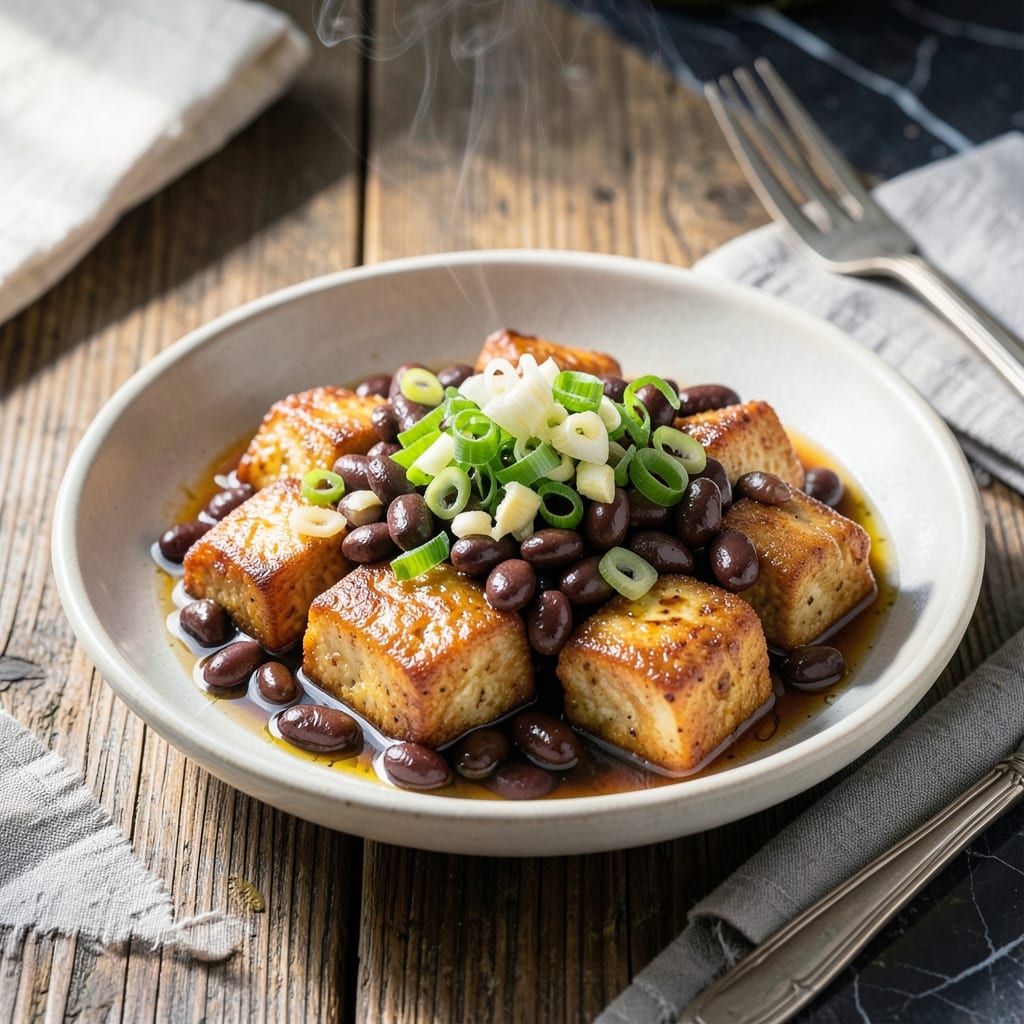
I discovered these beans through my grandmother’s vague notes about “those little black things” that transformed simple dishes. She never measured, but I’ve decoded her intuitive approach.
This recipe unlocks their bold umami depth with minimal effort. The fermented beans add intense, salty-sweet complexity to stir-fries, sauces, or rice dishes without hours of preparation.
You’ll find them at any Asian market, already fermented and ready to use. A quick rinse removes excess salt while preserving their distinctive flavor and soft texture.
Once you try them, you’ll reach for these beans whenever a dish needs instant depth. The results speak for themselves.
Ingredients for Chinese Fermented Black Beans
Simple ingredients with serious flavor impact for this umami-packed dish.
| Ingredient | Amount | Notes |
|---|---|---|
| Fermented Black Beans 🫘 | ½ cup | Rinsed to reduce salt |
| Garlic Cloves 🧄 | 6 cloves | Minced finely for even distribution |
| Fresh Ginger Root 🌿 | 1 tbsp | Peeled and grated |
| Green Onions 🧅 | 4 whole | Thinly sliced, whites and greens separated |
| Neutral Cooking Oil 🫒 | 2 tbsp | High smoke point preferred |
| Soy Sauce 💧 | 2 tbsp | Low-sodium or regular |
| Shaoxing Wine 🍶 | 1 tbsp | Or substitute dry sherry |
| Sugar 🍚 | 1 tsp | Balances saltiness |
| Red Chili Pepper 🌶️ | 1 whole | Dried or fresh, sliced |
| Sesame Oil 🫒 | 1 tsp | Toasted for aroma |
| Tofu 🧈 | 14 oz | Firm or extra-firm, pressed |
| Bell Pepper 🌽 | 1 whole | Any color, sliced |
| Jasmine Rice 🍚 | 2 cups | Uncooked, for serving |
[recipe_ingredient_scaler]
The fermented black beans are non-negotiable here. Look for them in the dried goods aisle at any Asian market—they’re usually sold in small plastic bags. Rinsing removes excess salt without washing away flavor. I grab mine from H Mart or 99 Ranch when I’m restocking. The tofu should be firm or extra-firm to hold up to the bold flavors; press it for 20 minutes to get rid of excess water.
No Shaoxing wine? Dry sherry works in a pinch, or skip it entirely—the beans carry enough depth. Tamari or coconut aminos can replace soy sauce if you’re gluten-free. Fresh ginger is ideal, but ground ginger at half the amount works. For heat, swap the chili for Sichuan peppercorns or a dash of chili oil. The rice is optional, but it soaks up the sauce beautifully.
Store the beans in an airtight container in the fridge for up to 6 months. The cooked dish keeps 3-4 days refrigerated. Freeze leftovers for 2 months—reheat gently to preserve texture. Rinsed beans freeze well too if you won’t use the whole bag.
Why You’ll Love This Recipe
- Minimal Chopping Required: I just slice the green onions and mince the garlic and ginger—no fancy knife skills needed.
- Umami Bomb: The fermented black beans pack that deep, salty-sweet punch that makes every bite irresistible.
- Stir-Fry Starter: I toss this into noodles, rice, or tofu anytime I need a quick flavor boost for dinner.
- Pantry Lifesaver: A jar of these lasts months in my fridge, ready to save me from last-minute meal panic.
Step-by-Step Instructions for Chinese Fermented Black Beans
Here’s the method. Straightforward, tested, works every time.
Step 1: Prep the Aromatics and Protein
Start by pressing the 14 oz Tofu between paper towels with a heavy pan on top for 15 minutes to remove excess water. Meanwhile, rinse the 0.5 cup Fermented Black Beans under cold water to reduce saltiness, then drain well.
Mince the 6 cloves Garlic Cloves and peel and grate the 1 tbsp Fresh Ginger Root. Thinly slice the 4 whole Green Onions, keeping whites and greens separate. Slice the 1 whole Red Chili Pepper and 1 whole Bell Pepper into thin strips. This prep ensures even cooking and maximum flavor distribution.
Step 2: Stir-Fry the Base Flavors
Heat the 2 tbsp Neutral Cooking Oil in a wok or large skillet over medium-high heat until it shimmers. Add the minced garlic, grated ginger, and sliced red chili pepper. Stir-fry for 30 seconds until the aromatics become fragrant but not browned—this builds the flavor foundation.
Next, add the rinsed fermented black beans and cook for 1 minute, stirring constantly. The beans should start to release their deep, salty aroma. This step is crucial for mellowing their intensity and integrating their umami into the oil.
Step 3: Cook the Vegetables and Tofu
Increase heat to high and add the sliced bell pepper and tofu cubes. Stir-fry for 4-5 minutes until the tofu turns golden brown on all sides and the bell pepper softens slightly. Keep the ingredients moving to prevent burning.
Add the whites of the green onions and cook for an additional 1 minute. The tofu should develop a slight crust while remaining tender inside—this texture contrast is key to the dish.
Step 4: Finish with the Sauce and Garnish
Reduce heat to medium and add the 2 tbsp Soy Sauce, 1 tbsp Shaoxing Wine, and 1 tsp Sugar. Stir well and cook for 1-2 minutes until the sauce thickens slightly and coats all ingredients evenly.
Turn off the heat and stir in the 1 tsp Sesame Oil and the green parts of the onions. The sesame oil adds a final aromatic touch, so don’t add it too early or it will lose its fragrance. Taste and adjust seasoning if needed.
Serve immediately over steamed 2 cups Jasmine Rice to soak up every bit of the bold, savory sauce. The rice should be fluffy and hot, providing the perfect neutral base for the powerful flavors of this dish.
Pro Tips For Making Chinese Fermented Black Beans
- Rinse the Beans: Soak the fermented black beans in cold water for 10 minutes to remove excess salt, then drain—this keeps the flavor bold without overwhelming the dish.
- Mince Evenly: Chop the garlic, ginger, and green onions into uniform, fine pieces so every bite carries consistent flavor without harsh chunks.
- Low and Slow: Cook the aromatics on medium-low heat for 3-4 minutes until fragrant but not browned—I learned this the hard way after burning garlic in my first few attempts.
- Bloom the Beans: Add the fermented black beans to hot oil for 30 seconds before the other ingredients to deepen their umami, a step I skip when I’m lazy but always regret.
Health Benefits of This Recipe
Digestive Health Boost
These beans are a natural probiotic powerhouse, packed with beneficial bacteria that support gut health. Just 2 tablespoons contain more live cultures than many yogurts. I notice my digestion feels lighter after meals with fermented foods like this.
Plant-Based Protein
With about 7 grams of protein per ¼ cup, they’re an excellent plant-based protein source. The fermentation process makes these proteins easier to digest and absorb. Perfect for vegan diets or anyone looking to reduce meat consumption.
Rich in Iron
Fermented black beans provide a significant iron boost—about 10% of your daily needs per serving. The fermentation actually increases iron bioavailability, making it easier for your body to use. Pair with vitamin C (like bell peppers) to maximize absorption. 💪
Low Calorie Density
You get incredible flavor impact with minimal calories—just 40 calories per ¼ cup. This makes them ideal for adding depth to dishes without weighing them down. My grandmother used them to stretch meals further during lean times.
Antioxidant Properties
The fermentation process creates powerful antioxidants that help combat inflammation. Studies show fermented soy products may support heart health and immune function. I love how such a simple ingredient can pack so many benefits. ✨
Bone Health Support
These beans contain good amounts of calcium and magnesium, essential for strong bones. A ½ cup serving provides about 5% of your daily calcium needs. The magnesium also helps with muscle relaxation and nerve function.
Nutrition Facts
Frequently Asked Questions
Do I need to soak the beans before cooking?
A quick rinse under cold water is enough to reduce saltiness. Soaking isn’t necessary and can wash away their bold flavor.
Can I use regular black beans instead?
No, regular black beans lack the fermented umami depth and salty-sweet complexity. Fermented varieties are essential for authentic flavor.
How long do cooked beans keep in the fridge?
The dish stays fresh for 3-4 days refrigerated. Store leftovers in an airtight container to preserve texture.
What’s the best substitute for Shaoxing wine?
Dry sherry works perfectly, or skip it entirely. The beans carry enough depth to compensate.

Trained in classic French technique but raised on slow-cooked ribs and spicy rubs, she blends culinary skill with smoke and soul.
- Recipe for Boneless Pork Chops in Cast Iron Skillet: Sear and Baste to Juicy Perfection - October 3, 2026
- Recipe for Boneless Cross Rib Roast: Slow-Roasted Beef with Herb Crust - October 3, 2026
- Hamburgers in Sauce Recipe Crock Pot: Slow-Cooked Savory Delight - October 3, 2026