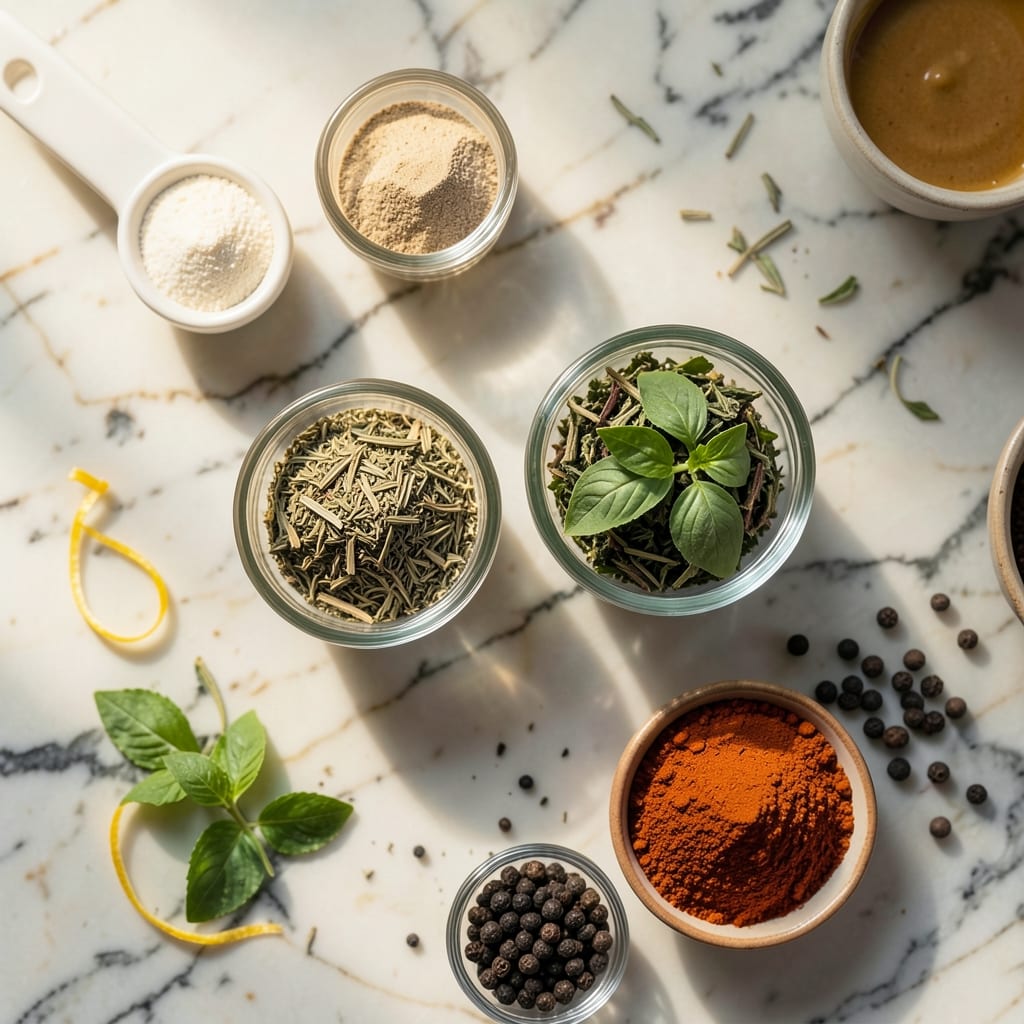
There’s nothing quite like the deep, smoky richness of chuck roast cooked over open flame. This method transforms a tough cut into tender, flavorful beef with a perfect crust.
I’ve spent years perfecting this technique, combining my pitmaster roots with precise grilling methods. The result is a dish that captures the essence of slow-cooked barbecue with the intensity of direct fire.
Ingredients for Chuck Roast on Grill
Transform a tough cut into tender, smoky perfection with these essential ingredients.
| Ingredient | Amount | Notes |
|---|---|---|
| Chuck Roast 🥩 | 3 lb | Well-marbled, boneless preferred |
| Kosher Salt 🧂 | 2 tbsp | Diamond Crystal preferred for even seasoning |
| Coarse Black Pepper 🌶️ | 2 tbsp | Freshly ground for maximum flavor |
| Garlic Powder 🧄 | 1 tbsp | Not garlic salt for pure flavor |
| Onion Powder 🧅 | 1 tbsp | Balances the dry rub perfectly |
| Smoked Paprika 🌶️ | 1 tbsp | Adds depth to the crust |
| Brown Sugar 🍚 | 2 tbsp | Light or dark for caramelization |
| Olive Oil 🫒 | 2 tbsp | For binding the rub |
| Apple Cider Vinegar 🍏 | ¼ cup | For spritzing during cooking |
| Beef Broth 🥩 | 1 cup | Low-sodium preferred for control |
| Hickory Wood Chips 🌳 | 2 cups | Soaked for 1 hour before use |
| Yellow Mustard 🟡 | 2 tbsp | Binder for the dry rub |
[recipe_ingredient_scaler]
The chuck roast is non-negotiable here—look for heavy marbling and a deep red color. Costco or Whole Foods typically carry high-quality options. Avoid pre-cut stew meat; a whole roast ensures even cooking and better texture. The fat cap should be at least 1/4-inch thick for self-basting as it cooks over the open flame.
No hickory chips? Pecan or oak work nearly as well for smoke flavor. Brown sugar can be swapped for turbinado in a pinch. If you’re out of apple cider vinegar, red wine vinegar adds a nice tang. The beef broth can be replaced with water, but you’ll lose some depth—Better Than Bouillon is a great store-bought option.
Store dry rub ingredients in airtight containers for up to 6 months. The chuck roast can be seasoned overnight for deeper flavor penetration. Leftovers keep in the fridge for 4-5 days or freeze for 3 months (slice before freezing for easier reheating).
Why You’ll Love This Recipe
- Set It and Forget: I just rub the chuck roast with salt, pepper, and those powders, then let the grill do the work.
- Smoky Depth: The char from the grill plus garlic and onion powders gives it that deep, crave-worthy crust.
- Feeds the Crew: One big roast, and I’ve got enough for tacos, sandwiches, or a hearty dinner for six.
- Leftovers for Days: Honestly, it tastes even better sliced thin for sandwiches the next day.
Step-by-Step Instructions for Chuck Roast on Grill
Master this technique for smoky, tender beef with a perfect crust every time.
Step 1: Prepare the Dry Rub and Season the Roast
In a bowl, combine the 2 tbsp Kosher Salt, 2 tbsp Coarse Black Pepper, 1 tbsp Garlic Powder, 1 tbsp Onion Powder, 1 tbsp Smoked Paprika, and 2 tbsp Brown Sugar. Stir until evenly mixed.
Pat the 3 lb Chuck Roast dry with paper towels, then apply a thin layer of the 2 tbsp Yellow Mustard all over its surface. This acts as a binder. Press the dry rub mixture firmly into the meat, ensuring an even coating on all sides. Let it rest at room temperature for 30 minutes to allow the seasoning to penetrate.
Step 2: Set Up the Grill for Indirect Heat and Add Wood Chips
Prepare your grill for indirect cooking by lighting only one side of the charcoal or turning on half the burners for a gas grill. Maintain a steady temperature of 275-300°F.
Drain the 2 cups Hickory Wood Chips (previously soaked in water for 1 hour) and place them directly over the lit coals or in a smoker box for gas grills. Once the grill is up to temperature and producing a steady stream of thin blue smoke, you’re ready to cook.
Step 3: Smoke the Roast and Spritz for Moisture
Place the seasoned chuck roast on the grill grates over the unlit side (indirect heat). Insert a meat thermometer into the thickest part of the roast. Close the lid and cook for 2-3 hours, maintaining the grill temperature.
Every 45-60 minutes, spritz the roast with the 0.25 cup Apple Cider Vinegar to keep the surface moist and enhance the bark formation. You’ll know it’s time to spritz when the surface starts looking dry or the bark begins to darken too quickly.
Step 4: Wrap and Finish to Tenderness
Once the internal temperature reaches 165°F (typically after 2.5-3 hours), remove the roast from the grill. Wrap it tightly in aluminum foil, then pour the 1 cup Beef Broth over it before sealing. This step, known as the “Texas crutch,” helps push through the stall and keeps the meat juicy.
Return the wrapped roast to the grill and continue cooking until the internal temperature reaches 200-205°F and the meat is probe-tender, which may take an additional 1-2 hours. The meat should feel like butter when a thermometer probe is inserted.
Step 5: Rest and Slice for Serving
Remove the roast from the grill and let it rest, still wrapped, for 30-45 minutes. This allows the juices to redistribute for maximum tenderness. Unwrap the roast, reserving the liquid for serving if desired.
Slice the chuck roast against the grain into ½-inch thick pieces. The slices should be moist, smoky, and coated with a dark, flavorful bark. Serve immediately with the reserved juices spooned over the top.
Pro Tips For Making Chuck Roast On Grill
- Score the Fat Cap: Cut 1/4-inch deep crosshatches in the fat cap before seasoning—this helps render the fat and lets the dry rub penetrate deeper into the meat.
- Reverse Sear First: Start with indirect heat at 275°F until the internal temp hits 110°F, then sear directly over hot coals for a perfect crust without burning the spices.
- Skip Cold Meat: Pull the chuck roast from the fridge 1-2 hours before grilling; I learned this the hard way after my first few tries came out unevenly cooked.
- Double the Seasoning: Sounds like overkill, but use twice as much Kosher salt and coarse black pepper as you think—chuck roast can handle bold flavors, especially with just garlic and onion powder.
Perfect Pairings for These Flavors
Bold Beverage Matches
I always pair this with a full-bodied red wine like a Cabernet Sauvignon—its tannins cut through the richness beautifully. For beer lovers, a dark porter or stout complements the smoky depth. 🍷
Classic Side Dishes
A vinegar-based coleslaw adds crispness that balances the meat’s tenderness. I use 2 cups shredded cabbage with ¼ cup apple cider vinegar for tang. Grilled corn with chili-lime butter is another favorite at my family cookouts.
Comfort Food Pairings
Creamy mac and cheese is a crowd-pleaser that soaks up the beef’s juices. I make mine with sharp cheddar and a panko crust for texture. Garlic mashed potatoes also work wonders here.
Fresh Contrasts
A simple cucumber-tomato salad with red onion and feta cleanses the palate. I toss 1 cup diced tomatoes with ½ cup cucumber and 2 tbsp olive oil. The acidity cuts through the smoky richness perfectly. 🥗
Bread and Pickles
Serve with crusty sourdough to mop up those delicious juices. Pickled jalapeños add a spicy kick that I love—just ¼ cup sliced thin on the side does the trick. Don’t forget dill pickles for that classic BBQ tang.
Nutrition Facts

Trained in classic French technique but raised on slow-cooked ribs and spicy rubs, she blends culinary skill with smoke and soul.
- Recipe for Boneless Pork Chops in Cast Iron Skillet: Sear and Baste to Juicy Perfection - October 3, 2026
- Recipe for Boneless Cross Rib Roast: Slow-Roasted Beef with Herb Crust - October 3, 2026
- Hamburgers in Sauce Recipe Crock Pot: Slow-Cooked Savory Delight - October 3, 2026