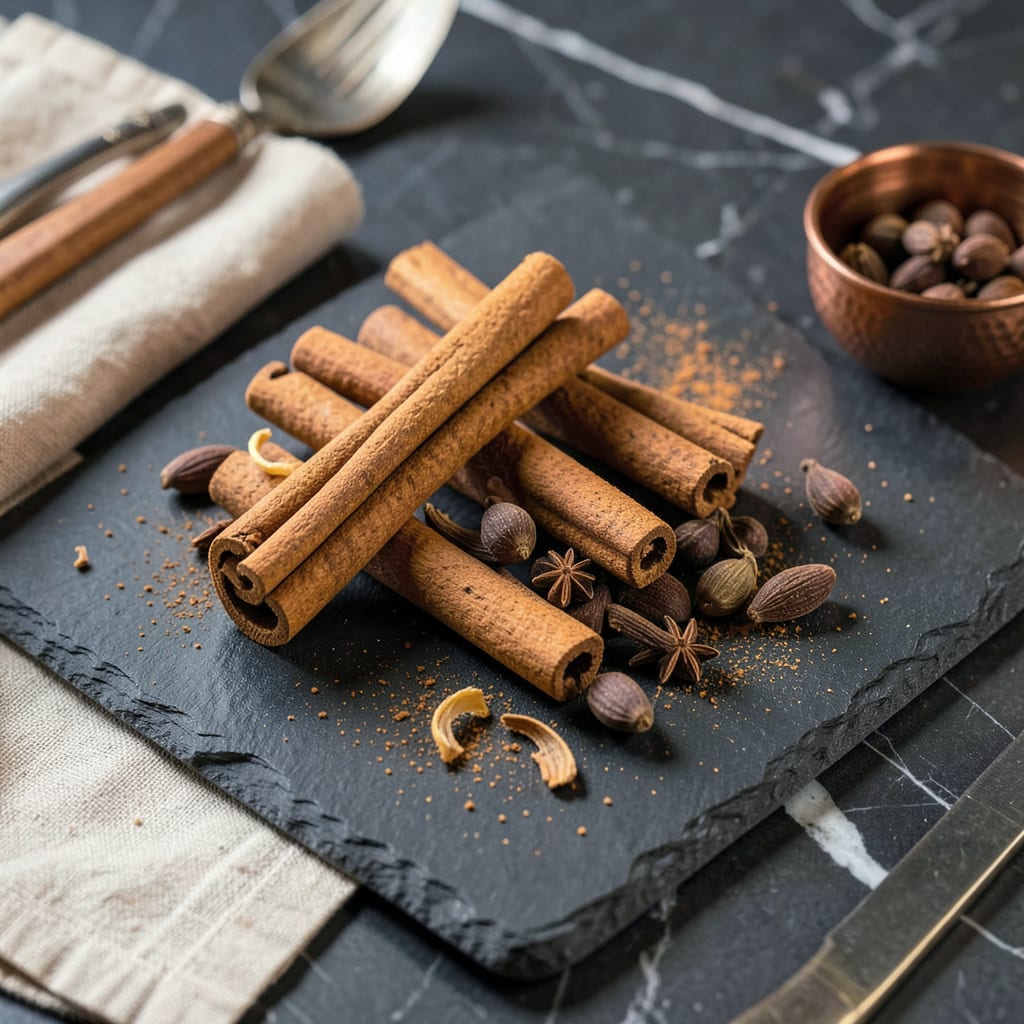
Cinnamon cloves combine warm, sweet cinnamon with pungent, aromatic cloves to create a bold, complex flavor perfect for both sweet and savory dishes. Use it sparingly—its intensity deepens when heated or steeped.
This spice duo packs a serious punch because of their complementary chemistry. 🔥 The cinnamaldehyde in cinnamon brings warmth and sweetness, while cloves contribute eugenol—a compound that adds peppery depth and numbing intensity. I love how it transforms simple dishes into restaurant-worthy creations, whether you’re simmering a pot of chili or baking apple pie. The key is balancing the ratio: too much clove can overpower, while cinnamon alone might taste flat. Toasting whole spices before grinding releases their essential oils for maximum impact.
💡 In This Article
- Why Cinnamon and Cloves Create a Perfect Flavor Pairing
- 5 Creative Ways to Cook with Cinnamon Cloves
Why Cinnamon and Cloves Create a Perfect Flavor Pairing
This powerhouse combo works because of their complementary chemistry. Cinnamon contains cinnamaldehyde, the compound responsible for its warm, sweet aroma, while cloves pack eugenol—a phenol that delivers that signature peppery, slightly numbing intensity. When combined, these compounds create a flavor profile that’s both comforting and complex.
The cinnamon’s sweetness softens cloves’ sharpness, while the cloves add depth to cinnamon’s one-note warmth. 🔥
Historically, this pairing appears in cuisines worldwide because it balances rich, fatty dishes. In Indian garam masala, the ratio often leans 3:1 cinnamon to cloves to complement curries’ creaminess. European mulled wines use a similar balance—typically 1 cinnamon stick to 4-5 cloves per liter—where the spices cut through the wine’s acidity while enhancing its fruitiness.
The heat from cooking or steeping intensifies these effects, as eugenol becomes more volatile at temperatures above 140°F.
What makes this blend so versatile is how it interacts with other ingredients. The cinnamaldehyde binds to fat molecules in dishes like braised meats or custards, creating a lingering sweetness on the palate. Meanwhile, eugenol’s slight anesthetic quality (yes, it temporarily numbs taste buds!) makes spicy dishes feel more balanced.
I’ve found this particularly useful in Mexican mole sauces, where a pinch of this blend can mellow chili heat without muting the complex flavors. ✨
The science gets even more interesting when you consider aroma volatility. Cinnamon’s compounds evaporate quickly when heated, delivering immediate warmth, while clove’s eugenol releases more slowly, providing a long finish. This is why the blend works so well in both quick-cooking applications (like sprinkling on oatmeal) and slow-simmered dishes (like pho broth).
The difference in volatility creates a layered sensory experience that changes from first bite to aftertaste.
For maximum impact, I recommend toasting whole spices before grinding. 30 seconds in a dry skillet at medium heat releases their essential oils without burning. The ratio matters too—start with 1 part cloves to 2 parts cinnamon by volume, then adjust.
Remember that cloves are about 5 times more potent by weight than cinnamon, so a little goes a long way. This is why most commercial pumpkin spice blends contain more cinnamon than cloves—typically a 4:1 ratio. 🌟
Pro tip: The blend’s intensity changes dramatically with preparation method. Ground spices release flavor immediately but lose potency faster, while whole spices (like cinnamon sticks and whole cloves) provide a slower, more controlled infusion.
This is why whole spices work better for long-simmered dishes like Moroccan tagines, where you want the flavor to develop gradually over 2-3 hours of cooking.
The next time you’re cooking, pay attention to when you add this blend. Adding it early in cooking (like when sautéing onions) allows the flavors to mellow and integrate, while finishing with it (like sprinkling on whipped cream) preserves its bright, aromatic qualities.
This timing difference can completely transform a dish’s character—something I learned the hard way after over-spicing an entire batch of churros! ⚡

Trained in classic French technique but raised on slow-cooked ribs and spicy rubs, she blends culinary skill with smoke and soul.
- Recipe for Boneless Pork Chops in Cast Iron Skillet: Sear and Baste to Juicy Perfection - October 3, 2026
- Recipe for Boneless Cross Rib Roast: Slow-Roasted Beef with Herb Crust - October 3, 2026
- Hamburgers in Sauce Recipe Crock Pot: Slow-Cooked Savory Delight - October 3, 2026