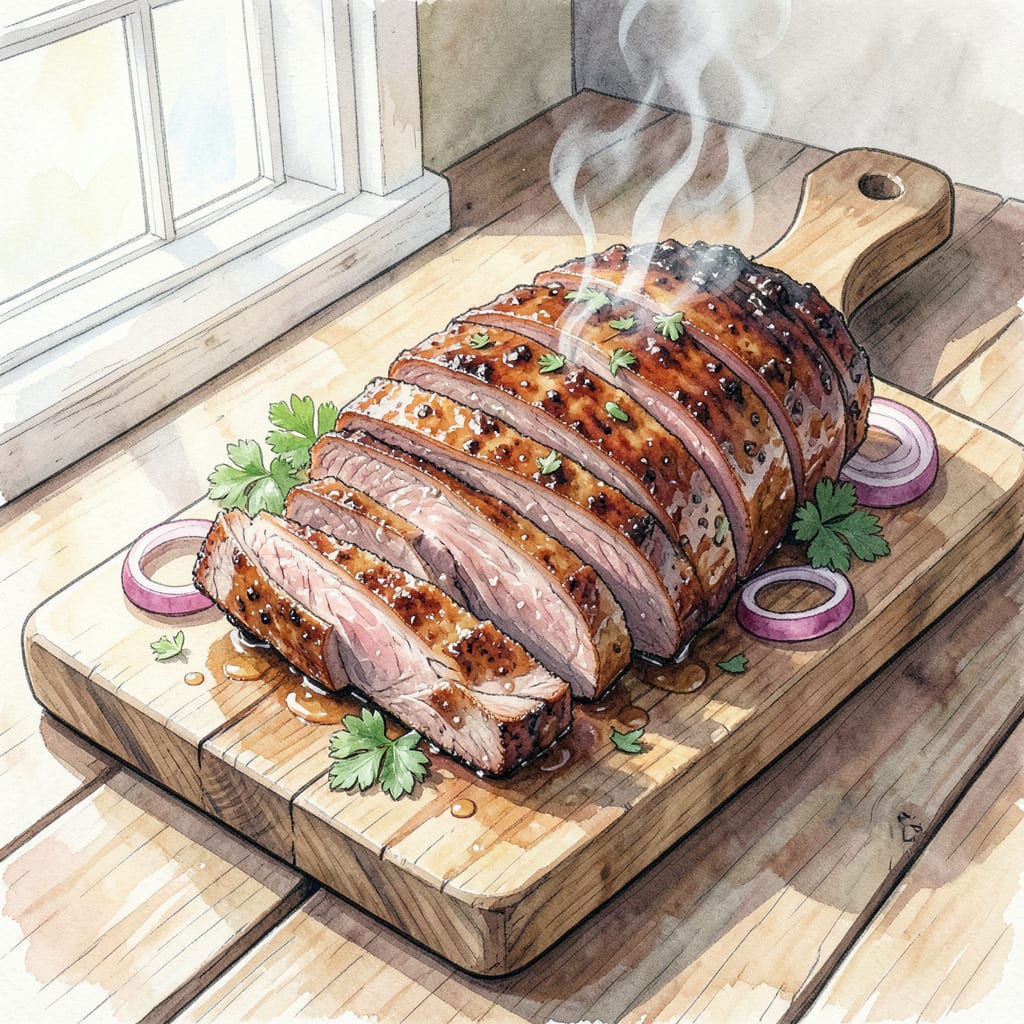
Achieving competition-worthy BBQ brisket requires precision and patience, but the result is worth it. I’ve perfected this recipe through years of experimenting with different rubs and smoking techniques, and I’m excited to share it with you.
By combining a dry rub with a slow smoke at 225°F, you’ll achieve tender, smoky brisket that’s sure to impress. Let’s get started on this journey to perfect BBQ brisket!
Ingredients for Competition Bbq Brisket
Here’s what you need to achieve tender, smoky brisket at 225°F.
| Ingredient | Amount | Notes |
|---|---|---|
| Beef Brisket 🥩 | 2 ½ lb | Whole brisket, trimmed |
| Kosher Salt 🧂 | 2 tbsp | Coarse grind |
| Black Pepper 🌶️ | 1 tbsp | Freshly ground |
| Brown Sugar 🍮 | 2 tbsp | Dark or light |
| Smoked Paprika 🌿 | 1 tbsp | For smoky flavor |
| Garlic Powder 🧄 | 1 tsp | Not garlic salt |
| Onion Powder 🧅 | 1 tsp | Adds depth |
| Cayenne Pepper 🔥 | ½ tsp | Adjust for heat |
| Apple Cider Vinegar 🍎 | ¼ cup | For moisture |
| Worcestershire Sauce 💧 | 2 tbsp | Adds umami |
| Wood Chips 🌲 | 1 cup | For smoking, soaked |
[recipe_ingredient_scaler]
For the best brisket, select a whole brisket with a good fat cap. The quality of your brisket will directly affect the tenderness and flavor. I recommend buying from a reputable butcher or Costco for consistent quality. Make sure to trim any excess fat if needed, but leave the fat cap intact.
No smoked paprika? Regular paprika with a dash of liquid smoke can be a good substitute. For a spicier brisket, increase the cayenne pepper or add some diced jalapeños to the rub. If you prefer a milder flavor, reduce or omit the cayenne pepper. You can also experiment with different types of wood chips, like hickory or mesquite, for varying smoky flavors.
This brisket keeps well in the refrigerator for up to 5 days. Reheat it slowly in the oven with some beef broth to maintain moisture. You can also freeze it for up to 3 months. Slice it thinly against the grain for the best results.
Step-by-Step Instructions for Competition BBQ Brisket
Follow these precise steps to achieve tender, smoky perfection that’ll impress any BBQ competition judges.
Step 1: Prepare the Brisket for Smoking
Start by trimming any excess fat from the 2.5 lb Beef Brisket, leaving about ¼ inch of fat on the surface. I like to use a sharp boning knife for this task as it gives better control. Next, mix together the dry rub ingredients: 2 tbsp Kosher Salt, 1 tbsp Black Pepper, 2 tbsp Brown Sugar, 1 tbsp Smoked Paprika, 1 tsp Garlic Powder, 1 tsp Onion Powder, and 0.5 tsp Cayenne Pepper. Apply this rub evenly to both sides of the brisket, making sure to coat it thoroughly. Let the brisket sit at room temperature for 1 hour before smoking to allow the meat to relax and the rub to adhere.
The dry rub creates a flavorful crust on the brisket while the sugar helps with browning. I find that letting it sit at room temperature before smoking helps the meat cook more evenly. Make sure you’ve got your smoker preheated to 225-250°F using your preferred type of wood – I recommend post oak or a mix of hardwoods for that authentic BBQ flavor.
Step 2: Smoke the Brisket Low and Slow
Place the brisket in the smoker fat-side up. I like to use a water pan in the smoker to maintain moisture throughout the long cooking process. Close the lid and let it smoke undisturbed for 4-5 hours until it reaches an internal temperature of 165°F. You’ll know you’re in the “stall” phase when the temperature stops rising – don’t worry, this is normal. The key is maintaining that low temperature and letting the smoke work its magic.
During this time, you’ll need to add more wood chips to maintain the smoke flavor. I typically add a handful of soaked wood chips every 30 minutes to keep the smoke consistent. The brisket should develop a nice bark on the outside – this is where all the flavor is. Keep an eye on your smoker temperature and adjust as needed to maintain the 225-250°F range.
Step 3: Wrap and Finish Cooking
Once the brisket reaches 165°F internally, wrap it tightly in pink butcher paper (not foil – paper allows better bark development). Return it to the smoker and continue cooking until the internal temperature reaches 200-205°F and the meat is probe-tender. This usually takes another 2-3 hours. The wrapping helps push through the stall while keeping the meat moist.
During this final stage, the connective tissues in the meat break down, making it incredibly tender. You’ll know it’s done when a probe or skewer slides in with little resistance. Let it rest wrapped for at least 1 hour before slicing to allow the juices to redistribute. This resting period is crucial for achieving that tender, juicy texture that competition judges love.
Step 4: Slice and Serve
Unwrap the brisket and slice it against the grain using a sharp knife. I like to use a long, thin slicing knife to get clean, even slices. The brisket should be so tender it practically falls apart. Serve with your favorite BBQ sauce on the side – or enjoy it as is to appreciate the pure, smoky flavor.
For competition presentation, I recommend slicing into ¼-inch thick pieces and arranging them neatly on a platter. The beautiful pink smoke ring just beneath the surface should be visible, and the bark should have a deep mahogany color. Each slice should be tender enough to pull apart with a gentle tug, showcasing the perfect balance of texture and flavor.
Wine and Beer Pairings for These Flavors
Perfect Wine Pairings
For a competition BBQ brisket, you’ll want wines that can stand up to the bold, smoky flavors. I recommend a full-bodied red like Malbec or Syrah/Shiraz. The dark fruit flavors and spicy notes complement the brisket’s rich, smoky taste. A Texas Cabernet Sauvignon is another excellent choice, offering tannins that pair beautifully with the meat’s fat content. 🍷
Great Beer Matches
Beer can be just as effective as wine for pairing with brisket. I love a robust porter or stout for their roasted malt flavors that echo the brisket’s smokiness. For something lighter, a crisp amber ale can cleanse your palate between bites while still handling the bold flavors. If you prefer hoppy beers, a heavily hopped IPA can work well, especially if you’ve added spicy elements to your brisket. The bitterness cuts through the richness beautifully. 🍺
Consider the Rub and Sauce
The specific rub and sauce you use can influence your beverage choice. For a spicier brisket, a sweeter beer like maple brown ale can help balance the heat. If you’ve used a sweeter rub, a drier wine like Petite Sirah might be a better match. I often adjust my beverage pairing based on the specific flavor profile I’ve created. 🔥
Serving Temperature Matters
For both wine and beer, serving temperature can make a big difference. Keep red wines at 55-60°F to preserve their complex flavors. Beers should be served according to style: porters and stouts around 45-50°F, while IPAs and ambers are best at 40-45°F. Proper temperature enhances the pairing experience. ❄️
Local Pairings
For a true Texas-style brisket, consider local favorites like Lone Star Beer. The crisp, clean taste pairs nicely with the rich brisket. In Memphis, a style like BBQ-friendly lager works well. I love exploring regional beer and wine pairings that complement the brisket’s local heritage.
Nutrition Facts
540kcal

Trained in classic French technique but raised on slow-cooked ribs and spicy rubs, she blends culinary skill with smoke and soul.
- Recipe for Boneless Pork Chops in Cast Iron Skillet: Sear and Baste to Juicy Perfection - October 3, 2026
- Recipe for Boneless Cross Rib Roast: Slow-Roasted Beef with Herb Crust - October 3, 2026
- Hamburgers in Sauce Recipe Crock Pot: Slow-Cooked Savory Delight - October 3, 2026