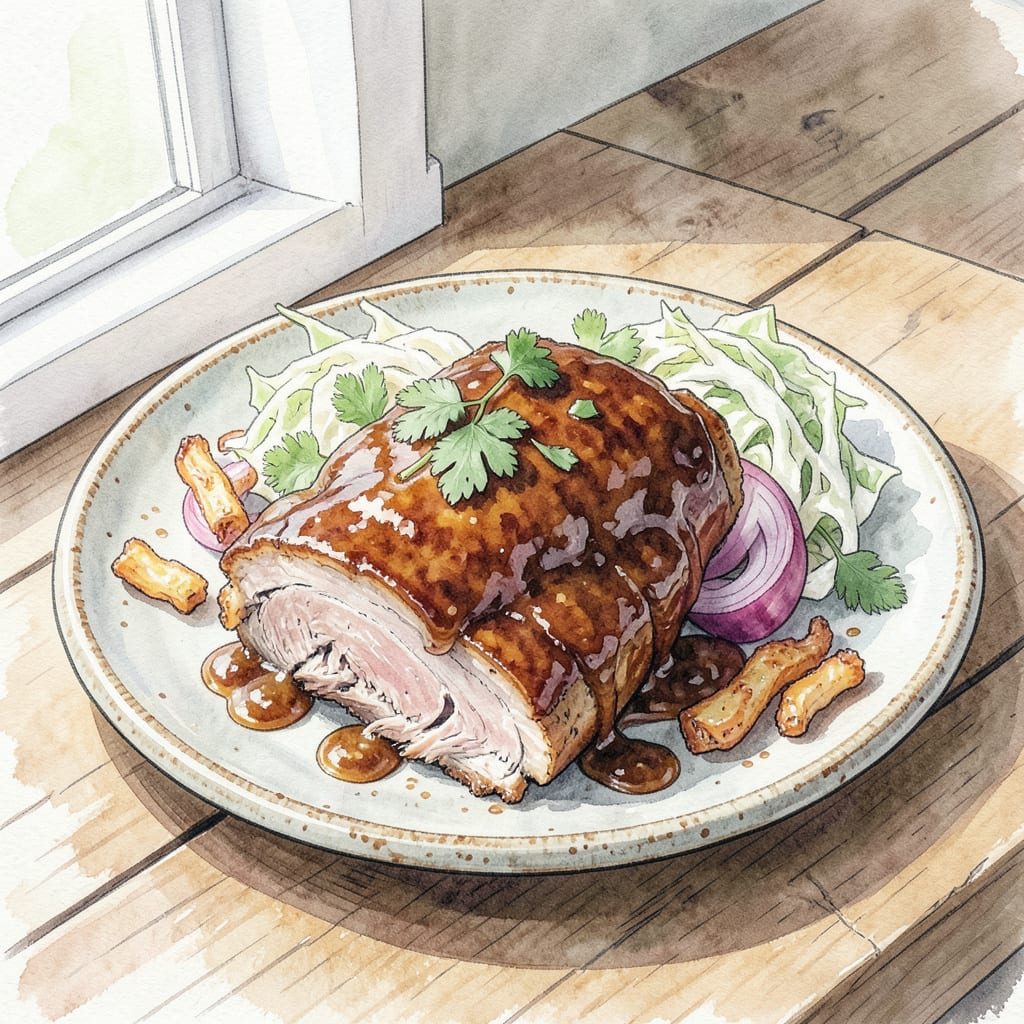
Achieving fall-off-the-bone tender pork shoulder is an art that requires patience, precision, and the right technique. I’ve perfected this competition-style BBQ recipe through years of experimentation and practice, blending traditional pitmaster skills with classic French technique.
This recipe delivers tender perfection with a crispy bark, using a low-and-slow cooking method at 225°F for 12-15 hours. The result is a juicy, flavorful pork shoulder that’s sure to impress at your next BBQ competition or family gathering.
Ingredients for Competition Bbq Pork Recipe Shoulder
Quality ingredients make all the difference in this low-and-slow pork shoulder recipe.
| Ingredient | Amount | Notes |
|---|---|---|
| Pork Shoulder 🥩 | 2 ½ lb | Bone-in, skin-on preferred |
| Kosher Salt 🧂 | ¼ cup | Diamond Crystal preferred |
| Black Pepper 🌶️ | 2 tbsp | Freshly ground black pepper |
| Brown Sugar 🍮 | 2 tbsp | Dark brown for richer flavor |
| Smoked Paprika 🌿 | 1 tbsp | For smoky depth |
| Garlic Powder 🧄 | 1 tbsp | Not garlic salt |
| Onion Powder 🧅 | 1 tbsp | For savory complexity |
| Chili Powder 🌶️ | 1 tbsp | Mild or hot variety |
| Apple Cider Vinegar 🍎 | ½ cup | For injection during cooking |
| Wood Chips 🌲 | 1 cup | Hickory or apple wood |
| Olive Oil 🫒 | 2 tbsp | For bark enhancement |
| Worcestershire Sauce 💧 | 2 tbsp | For umami flavor |
[recipe_ingredient_scaler]
The pork shoulder matters here. Look for bone-in, skin-on at your local butcher or a quality grocery store. I’ve had great success with Costco pork shoulders. The fat cap is key for keeping the meat moist during the long cooking process. If you’re feeling fancy, ask your butcher to trim it for you.
No hickory wood chips? Apple or cherry wood works beautifully too. For the rub, feel free to adjust the chili powder amount based on your heat preference. If you don’t have Diamond Crystal kosher salt, reduce the amount by about 25% for other kosher salt brands. The apple cider vinegar is crucial for injection—don’t skip it.
This pork shoulder keeps beautifully. Store leftovers in an airtight container in the fridge for up to 5 days. You can also freeze portions for up to 3 months. Reheat slowly in the oven with some additional barbecue sauce to keep it moist.
Step-by-Step Instructions for Competition BBQ Pork Shoulder
Mastering this recipe takes practice, but with these detailed steps, you’ll achieve tender perfection.
Step 1: Prepare the Dry Rub and Pork Shoulder
Start by mixing the dry rub ingredients: 0.25 cup Kosher Salt, 2 tbsp Black Pepper, 2 tbsp Brown Sugar, 1 tbsp Smoked Paprika, 1 tbsp Garlic Powder, 1 tbsp Onion Powder, and 1 tbsp Chili Powder. I like to use a mortar and pestle to blend these ingredients until they’re evenly distributed, ensuring consistent flavor throughout the meat.
Next, trim any excess fat from the 2.5 lb Pork Shoulder if necessary, leaving a thin layer for protection during cooking. Generously apply the dry rub all over the pork shoulder, making sure to coat every surface evenly. I press the rub into the meat to ensure it adheres well. Let the seasoned pork shoulder sit at room temperature for 1 hour before cooking to allow the meat to relax and the seasonings to penetrate.
Step 2: Set Up Your Smoker for Low and Slow Cooking
Preheat your smoker to 225-250°F using your preferred type of wood, such as hickory or apple. I’ve found that maintaining a consistent temperature within this range is crucial for achieving tender, fall-off-the-bone results. Add 1 cup Wood Chips to the smoker once it’s heated to generate a steady stream of smoke. Place the pork shoulder in the smoker, fat side up if it has a fat cap, and close the lid.
Smoke the pork shoulder undisturbed for 4-5 hours or until it reaches an internal temperature of 160-170°F. During this time, resist the temptation to open the smoker lid too often, as this can cause temperature fluctuations and extend the cooking time. You’ll know the pork is progressing when you see a rich, caramelized bark forming on the surface.
Step 3: Inject with Apple Cider Vinegar and Finish Cooking
After 4 hours of smoking, it’s time to inject the pork shoulder with 0.5 cup Apple Cider Vinegar using a meat injector. This step adds moisture and flavor deep into the meat, enhancing its tenderness and overall taste. Be sure to distribute the vinegar evenly throughout the shoulder, focusing on the thicker areas.
Return the pork shoulder to the smoker and continue cooking until it reaches an internal temperature of 195-205°F, typically another 1-2 hours. The pork is done when it’s probe-tender and easily shreds with a fork. Remove it from the smoker and let it rest for 15-20 minutes before slicing or shredding.
Step 4: Enhance the Bark and Serve
Before serving, brush the pork shoulder with a mixture of 2 tbsp Olive Oil and 2 tbsp Worcestershire Sauce to enhance the bark’s texture and flavor. This final touch adds a glossy finish and deepens the umami flavor. Slice or shred the pork according to your preference, and serve it with your favorite barbecue sides.
The result should be a tender, flavorful pork shoulder with a rich, caramelized bark. Each bite should be infused with the complex flavors of the dry rub and the subtle tang of the apple cider vinegar injection. Enjoy the fruits of your labor!
Common Mistakes When Making Perfect Results
Temperature Control Mistakes
One of the most critical mistakes in competition BBQ is failing to maintain consistent temperature control. I’ve seen cooks start at 225°F but let their smoker temperature drift up to 300°F during the cook. Use a quality thermometer like ThermoWorks Smoke to monitor both your smoker and meat temperatures closely. 🔥
Overcooking the Bark
While a great bark is essential, overcooking can make it bitter and unpleasant. I’ve learned that pulling the pork when it reaches 195-205°F internally helps prevent this. Keep an eye on the bark’s color and texture—when it reaches a deep mahogany, it’s usually ready.
Skipping the Rest
After all that waiting, it’s tempting to dive right in, but resting is crucial. I wrap my pork shoulder in pink butcher paper and let it rest for at least 15-20 minutes. This allows the juices to redistribute, making the pork more tender and flavorful.
Poor Injection Technique
Using a meat injector can be intimidating, but it’s essential for adding moisture deep into the meat.
Inconsistent Wood Flavor
The type and amount of wood you use can make or break your BBQ. I prefer hickory or apple wood for their strong, sweet flavors. Be consistent with your wood chunks or chips throughout the cook to maintain a steady smoke flavor profile.
Not Adjusting for Weather
Weather conditions can significantly affect your cook. On cold or windy days, your smoker may struggle to maintain temperature. I keep a backup plan handy, like a heat deflector or extra fuel, to ensure consistent cooking conditions.
Nutrition Facts

Trained in classic French technique but raised on slow-cooked ribs and spicy rubs, she blends culinary skill with smoke and soul.
- Recipe for Boneless Pork Chops in Cast Iron Skillet: Sear and Baste to Juicy Perfection - October 3, 2026
- Recipe for Boneless Cross Rib Roast: Slow-Roasted Beef with Herb Crust - October 3, 2026
- Hamburgers in Sauce Recipe Crock Pot: Slow-Cooked Savory Delight - October 3, 2026