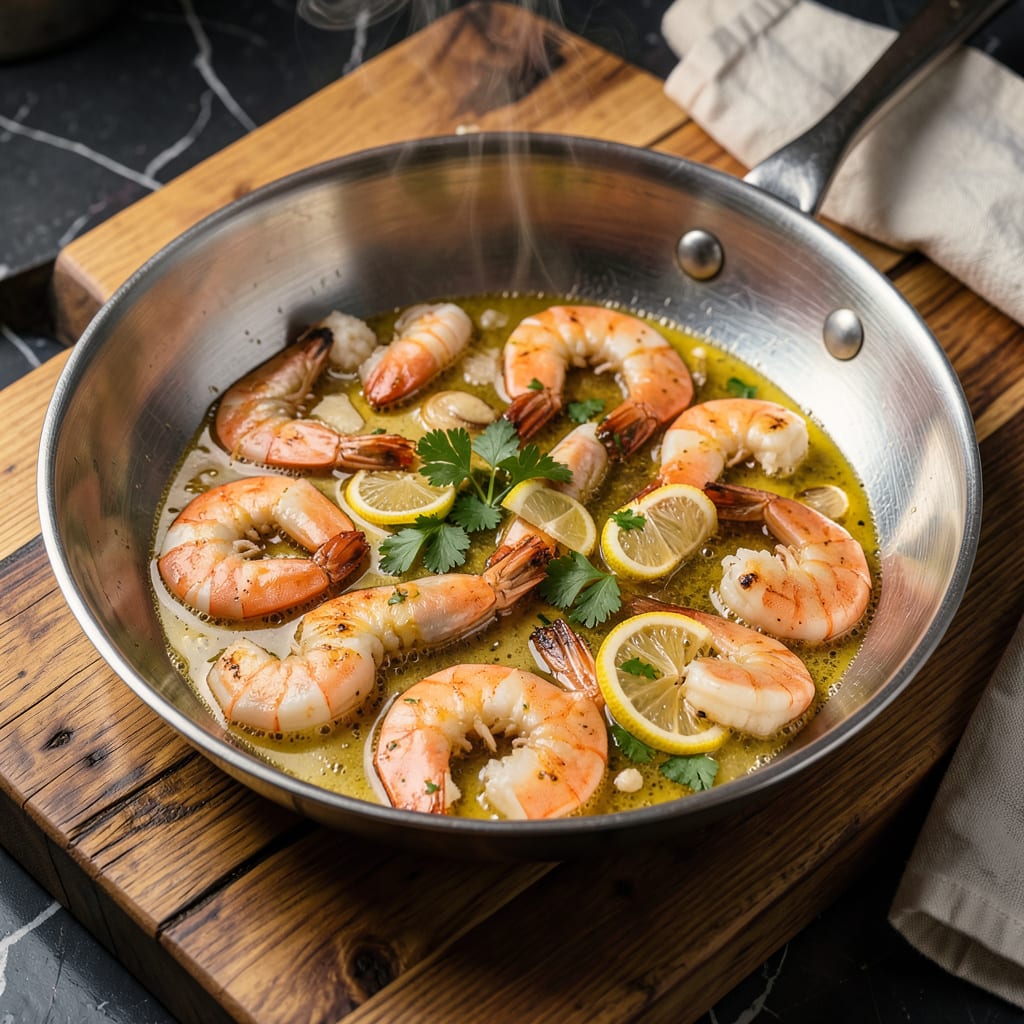
Let me save you from rubbery, overcooked shrimp. Cooking frozen shrimp the right way means you can skip thawing and still get juicy, tender results every time. I learned this trick during a last-minute dinner rush when I forgot to thaw the shrimp—turns out, frozen can actually work in your favor if you handle it properly.
The secret is starting with high heat and a little patience. Whether you’re sautéing, boiling, or grilling, frozen shrimp cook faster than you think—usually in just 5-7 minutes. The key is watching for that perfect curl and opaque color, not overcooking them into tough little bullets. A splash of lemon or a sprinkle of Cajun seasoning while they cook adds instant flavor.
You’ll end up with shrimp that are plump, tender, and packed with flavor—no mushy texture or ice-crystal surprises. This method works for any size shrimp and any cooking style, from quick stir-fries to elegant garlic butter preparations. Honestly, I’ve served this to guests who swore I used fresh shrimp.
Pair them with rice, toss them in tacos, or just eat them straight from the pan. Here’s exactly how to pull it off without any stress or last-minute thawing panic.
📚 In This Guide
- What You’ll Need
- Instructions
- Tips and Common Mistakes
What Youll Need
- ● Frozen shrimp: 1 lb (16/20 or 21/25 count per lb recommended for even cooking). Peeled, deveined, or shell-on—your choice! 🍤
- ● Cooking vessel: Large skillet (10–12 inches) or pot with a lid for steaming. Stainless steel or cast iron works best.
- ● Oil or butter: 1–2 tbsp (neutral oils like avocado or vegetable oil for high heat; butter for rich flavor).
- ● Seasonings: Salt (½ tsp), black pepper (¼ tsp), and your favorites—garlic powder, paprika, or Cajun spice blend (1 tsp total).
- ○ Aromatics (optional but recommended): 2 cloves minced garlic, 1 tbsp lemon juice, or 1 tsp fresh herbs (parsley, cilantro, or dill).
- ● Tools: Tongs or slotted spoon (for flipping shrimp).
- ○ Meat thermometer (optional but handy for precision—shrimp is done at 120°F internal temp).
- ● Paper towels (to pat dry shrimp if needed post-cooking).
- ● Extras (for serving): Lemon wedges, cocktail sauce, or a sprinkle of red pepper flakes for heat. 🌶️
Instructions for Cooking Shrimp From Frozen
Here’s how to transform frozen shrimp into perfectly juicy results with minimal effort.
Prep Your Cooking Setup
Start by choosing the right cooking method based on what you’re making. For quick sautéing, use a large skillet with a heavy bottom that distributes heat evenly. If boiling, select a pot that’s wide enough to hold the shrimp in a single layer when they’re cooked.
Add about 1 inch of water to your pot or 2 tablespoons of oil to your skillet and set it over medium-high heat. The key here is getting your cooking medium hot before adding the shrimp – this prevents them from releasing too much moisture and becoming waterlogged.
Add the Frozen Shrimp Directly
Don’t wait for the shrimp to thaw – add them straight from the freezer to your hot pan or boiling water. If sautéing, spread them in a single layer with some space between each piece. For boiling, make sure the water is at a full rolling boil before adding the shrimp.
You’ll notice the shrimp will initially look stiff and opaque, but within 1-2 minutes, they’ll start to curl and turn pink. This visual transformation is your first sign that they’re cooking properly. The frozen moisture actually creates a protective steam layer that helps keep them juicy.
Cook Until Perfectly Done
For sautéing, cook the shrimp for 4-5 minutes total, flipping them halfway through when they release easily from the pan. They’re done when they form a C-shape and turn uniformly pink with no gray spots. If boiling, they’ll float to the surface when ready, typically after 3-4 minutes.
The most reliable test is cutting into one piece – it should be opaque throughout with no translucent center. Be careful not to overcook, as shrimp continue cooking slightly from residual heat even after you remove them from the pan.
Rest and Serve Immediately
Transfer the cooked shrimp to a plate and let them rest for 1-2 minutes before serving. This brief rest allows the juices to redistribute throughout the meat rather than escaping when you cut into them.
Serve immediately while still hot. You’ll be amazed at how tender and flavorful they are despite starting from frozen. The quick cooking method actually preserves more of their natural sweetness compared to thawed shrimp that sit in their own juices.
Tips and Common Mistakes
Here’s what I’ve learned from cooking shrimp straight from frozen—these details make all the difference.
Heat Control: Getting your pan or water to medium-high heat before adding shrimp is crucial. I always test the oil by flicking a drop of water into the pan—if it sizzles immediately, it’s ready. This prevents the shrimp from steaming in their own moisture and becoming rubbery. The quick sear at this temperature locks in juiciness.
Visual Cues Matter: In Step 2, when you add the frozen shrimp, watch for that magical moment at the 1-2 minute mark when they start to curl and turn from translucent to opaque pink. This transformation tells you the protective steam layer is working. If they’re not curling after 2 minutes, your heat might be too low.
Timing Secret: For sautéing, those 4-5 minutes go faster than you think. I set a timer for 2 minutes, then check for the C-shape curl before flipping. The moment they release easily from the pan is your signal they’re ready to turn. Boiling is even quicker—don’t walk away during those 3-4 minutes or you’ll miss the float test.
Resting is Critical: That 1-2 minute rest in Step 4 isn’t optional. I learned this the hard way after serving shrimp that bled juices onto the plate. The brief pause lets the muscles relax, keeping all that natural sweetness inside where it belongs. Serve them straight from the pan and you’ll lose that perfect texture.
Pro Tips for Cooking Shrimp From Frozen
- Here’s what I’ve learned from cooking shrimp straight from frozen—these details make all the difference.
- Heat Control: Getting your pan or water to medium-high heat before adding shrimp is crucial. I always test the oil by…
- Visual Cues Matter: In Step 2, when you add the frozen shrimp, watch for that magical moment at the 1-2 minute mark w…
Frequently Asked Questions
Got questions about cooking shrimp straight from frozen? You’re not alone! Here are the most common queries—and quick answers—to help you nail it every time.
Can I cook frozen shrimp without thawing it first?
Cooking shrimp from frozen is safe and convenient—just add 2-3 extra minutes to the cook time. Use methods like boiling, sautéing, or baking, and avoid overcrowding the pan for even cooking. Perfect for last-minute meals!
How do I know when frozen shrimp is fully cooked?
Look for a bright pink or red color (no grayish tones) and an internal temp of 120–145°F. The flesh should turn opaque and form a loose “C” shape. Overcooked shrimp gets rubbery, so pull it off heat ASAP!
What’s the fastest way to cook shrimp from frozen?
Boiling wins for speed! Drop frozen shrimp into rolling, salted water and cook for 4–6 minutes (depending on size). Drain immediately and toss with butter or lemon. For extra flavor, add garlic or Old Bay to the water.
Why did my frozen shrimp turn out mushy or watery?
Mushy shrimp usually means overcooking or thawing in water (which leaches flavor). Pat shrimp very dry before cooking if partially thawed, and avoid slow methods like simmering. High heat = better texture!
Can I grill or air-fry shrimp from frozen?
Yes, but preheat thoroughly! For grilling, oil the grates and cook shrimp 2–3 minutes per side on medium-high. In an air fryer, spray with oil and cook at 400°F for 8–10 minutes, shaking halfway. Crispy edges guaranteed!
Cooking shrimp straight from frozen is easier than you think—no thawing, no stress! 🍤 With the right technique (like a quick boil, sizzling sauté, or even air-frying), you can lock in flavor and achieve perfectly tender shrimp every time. Whether you’re whipping up a weeknight dinner or a fancy feast, frozen shrimp can be your secret weapon for fast, delicious meals.
Ready to put this trick to the test? Grab a bag of frozen shrimp and try one of the methods today—your taste buds will thank you! For extra inspiration, explore recipes like garlic butter shrimp or spicy shrimp tacos next.

Trained in classic French technique but raised on slow-cooked ribs and spicy rubs, she blends culinary skill with smoke and soul.
- Recipe for Boneless Pork Chops in Cast Iron Skillet: Sear and Baste to Juicy Perfection - October 3, 2026
- Recipe for Boneless Cross Rib Roast: Slow-Roasted Beef with Herb Crust - October 3, 2026
- Hamburgers in Sauce Recipe Crock Pot: Slow-Cooked Savory Delight - October 3, 2026