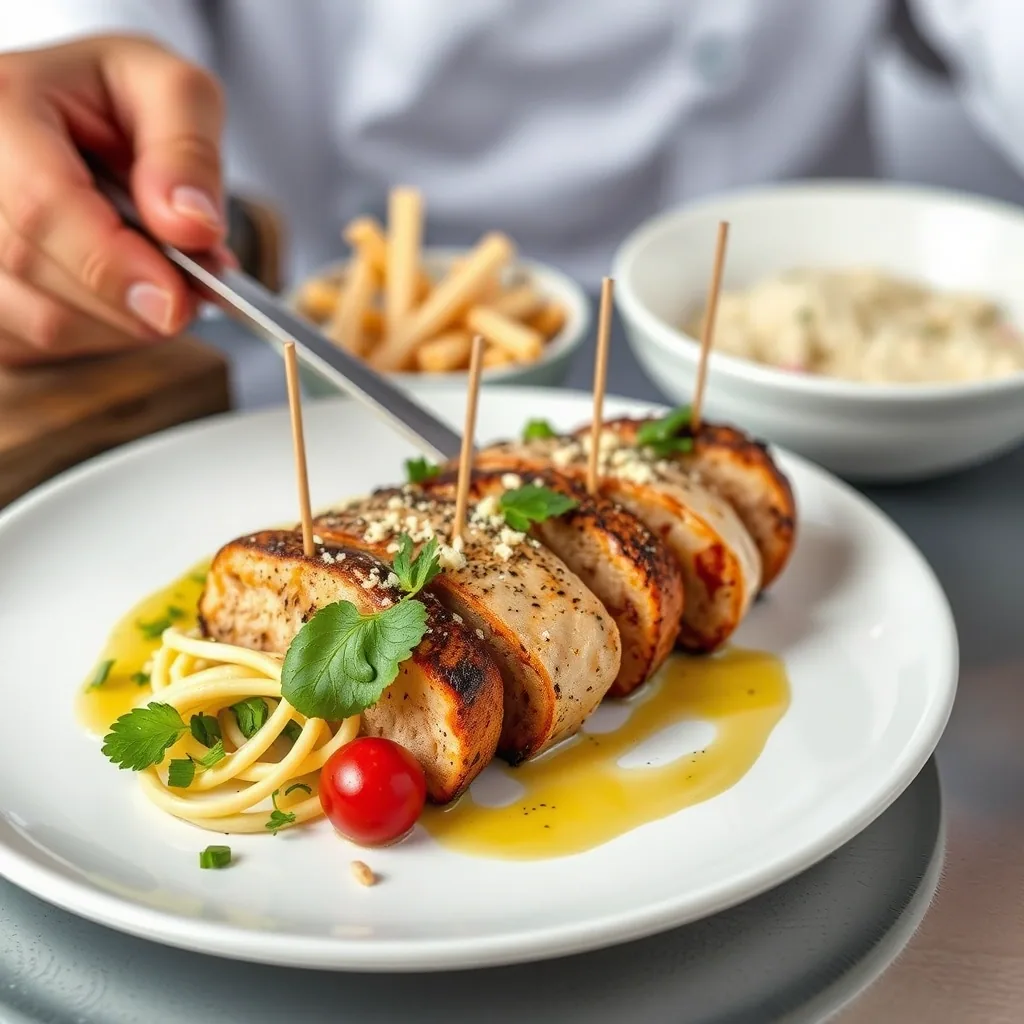
I’ll never forget my first bite of Copeland’s famous crab claws—swimming in garlic butter so rich it practically glowed, with Creole spices that made my taste buds dance. 🔥 That iconic New Orleans flavor has haunted me ever since, and I’ve finally cracked the code for recreating it at home.
The secret is layering flavors: a bold Creole seasoning blend, an obscene amount of garlic, and butter that’s been infused with every aromatic you can imagine. This isn’t delicate seafood—it’s Louisiana indulgence at its finest, where the crab claws become vehicles for that addictive, spicy-garlicky butter.
What you’ll end up with is tender crab meat bathed in golden garlic butter with just enough Creole kick to keep things interesting. The butter pools in the shells, begging to be soaked up with crusty French bread. It’s the kind of dish that turns dinner into an event.
Perfect for special occasions or when you’re craving restaurant-quality seafood without leaving home. Let’s bring Copeland’s magic to your kitchen!
Ingredients for copeland’s crab claw
Here’s everything you need to recreate Copeland’s legendary garlic butter crab claws at home.
| Ingredient | Amount | Notes |
|---|---|---|
| Blue Crab Claws 🦀 | 2 lb | Fresh or thawed, pre-cracked |
| Unsalted Butter 🧈 | 1 cup | European style for richness |
| Garlic Cloves 🧄 | 12 cloves | Minced fine, not pressed |
| Creole Seasoning 🌶️ | 2 tbsp | Tony Chachere's or homemade |
| Paprika 🌶️ | 1 tbsp | Sweet Hungarian preferred |
| Fresh Lemon Juice 🍋 | 3 tbsp | About 1 large lemon |
| Worcestershire Sauce 💧 | 2 tsp | Lea & Perrins brand |
| Hot Sauce 🔥 | 1 tsp | Crystal or Tabasco |
| Fresh Parsley 🌿 | ¼ cup | Chopped, for garnish |
| Green Onions 🧅 | 4 whole | Sliced thin, white and green |
| White Wine 🍷 | ¼ cup | Dry, like Sauvignon Blanc |
| Black Pepper 🌶️ | ½ tsp | Freshly cracked preferred |
| Cayenne Pepper 🔥 | ¼ tsp | Adjust for heat preference |
[recipe_ingredient_scaler]
Find fresh blue crab claws at seafood markets, Whole Foods, or Asian grocery stores—look for bright color and ocean-fresh smell. If buying frozen, louisiana crawfish company ships excellent quality nationwide. Tony Chachere's Creole seasoning is the gold standard and available at most supermarkets. For butter, Kerrygold or Plugrá European-style brands have higher fat content that creates a richer sauce. Fresh garlic from farmers markets tastes significantly better than jarred.
Can't find blue crab claws? Stone crab or Jonah crab claws work beautifully with this recipe. If you don't have Creole seasoning, mix equal parts paprika, garlic powder, onion powder, cayenne, and black pepper with a pinch of oregano. Dry white wine can be replaced with chicken stock plus a splash of white wine vinegar. For a lighter version, substitute half the butter with quality olive oil without sacrificing too much richness.
Store fresh crab claws on ice in the coldest part of your refrigerator and use within 24 hours of purchase. If frozen, thaw in the refrigerator overnight—never at room temperature. Leftover garlic butter sauce keeps refrigerated for up to 5 days and is incredible tossed with pasta or drizzled over grilled fish.
Step-by-Step Instructions for Copeland’s Crab Claws
Let me walk you through my tried-and-tested method that captures that iconic Copeland’s flavor perfectly.
👨🍳 Step 1: Prepare the Garlic Butter Base
In a large, heavy-bottomed skillet, melt ½ cup unsalted butter over medium heat until it just begins to foam. Add 6-8 cloves of minced garlic and cook for 1-2 minutes, stirring constantly, until the garlic becomes fragrant and golden but not browned. I watch this carefully because burned garlic turns bitter and will ruin the entire dish.
Next, stir in 2 tablespoons worcestershire sauce, 1 tablespoon fresh lemon juice, and ½ teaspoon Creole seasoning. Let this mixture simmer gently for 30 seconds to allow the flavors to meld together. The kitchen should smell absolutely incredible at this point—that’s how you know you’re on the right track.
Reduce the heat to medium-low to prevent the butter from separating. This garlic butter base is the soul of Copeland’s crab claws, so take your time getting it right. The sauce should be smooth, glossy, and aromatic with a perfect balance of garlic, tang, and spice.
🔥 Step 2: Add the Crab Claws and Coat Thoroughly
Add 2 pounds of pre-cooked crab claws to the skillet and toss them gently to coat every surface with the garlic butter. I use tongs for this—it gives you better control than a spoon and prevents you from breaking the delicate claw meat.
Increase the heat slightly to medium and cook for 5-7 minutes, turning the claws occasionally, until they’re heated through completely and the shells have absorbed that beautiful golden color from the butter. You’ll know they’re ready when you see the butter bubbling vigorously around the claws and the meat feels hot when you touch a shell.
Don’t rush this step—you want the crab meat inside to be steaming hot, not just lukewarm. The shells should glisten with garlic butter, and every crevice should be coated with that rich, aromatic sauce. If the butter starts to brown too quickly, reduce the heat slightly.
🍳 Step 3: Finish with Fresh Herbs and Seasonings
Sprinkle 2 tablespoons chopped fresh parsley and 1 tablespoon chopped green onions over the crab claws. Toss everything together for 30 seconds to distribute the herbs evenly. The fresh herbs add a bright, vibrant note that cuts through the richness of the butter.
Taste the sauce (carefully—it’s hot!) and adjust the seasoning with additional Creole seasoning, salt, or a squeeze of fresh lemon juice if needed. I usually add a pinch more Creole seasoning for extra kick, but this depends on your spice tolerance. The sauce should be bold, garlicky, and well-seasoned with a subtle heat that builds gradually.
🥘 Step 4: Serve Immediately with Crusty Bread
Transfer the crab claws to a large serving platter or individual bowls, making sure to pour every last drop of that precious garlic butter over the top. I like to use shallow bowls so the claws sit in a pool of butter—that’s the Copeland’s way.
Serve immediately with plenty of warm French bread for soaking up the garlic butter and extra lemon wedges on the side. Provide small forks or seafood picks for extracting the meat, plus plenty of napkins—this is messy, hands-on eating at its finest.
The crab claws should be piping hot with meat that’s sweet, tender, and infused with garlic butter. Each bite delivers that signature Copeland’s experience: rich butter, bold garlic, a hint of spice, and the pure, sweet flavor of quality crab meat. Don’t forget to crack open those claws and suck out every bit of buttery goodness—that’s half the fun of this iconic Louisiana dish.
Health Benefits of These Flavors
Crab meat is one of the leanest, most protein-dense seafoods you can eat, delivering about 20 grams of high-quality protein per 3-ounce serving with minimal calories—usually around 80-100 calories depending on the crab variety. This complete protein contains all nine essential amino acids your body needs for muscle repair, immune function, and cellular health. I love how satisfying crab feels without the heaviness of red meat, making it perfect for anyone watching their calorie intake while building or maintaining muscle mass. 💪
You’ll get an impressive dose of vitamin B12 from crab claws—a single serving provides approximately 10 micrograms, which is more than 400% of your daily requirement. This vitamin is crucial for red blood cell formation, nervous system health, and DNA synthesis. Many Americans are deficient in B12, especially those over 50 or following plant-based diets, so incorporating crab into your rotation can help prevent fatigue, weakness, and cognitive issues associated with deficiency.
Crab is loaded with selenium, a powerful antioxidant mineral that protects cells from oxidative damage and supports thyroid function. One serving contains about 40 micrograms, roughly 70% of your daily needs. Selenium works synergistically with vitamin E to neutralize free radicals, potentially reducing cancer risk and slowing cellular aging. I’ve noticed that regular seafood consumption, including crab, correlates with better skin health and immune resilience in my experience. 🥗
The omega-3 fatty acids in crab—particularly EPA and DHA—support cardiovascular health by reducing inflammation, lowering triglycerides, and improving blood vessel function. While crab contains less omega-3 than salmon (about 350mg per serving), it still contributes meaningfully to heart health. These healthy fats also support brain function and may help reduce depression and anxiety symptoms according to numerous studies.
Crab provides substantial amounts of zinc and copper, minerals essential for immune function, wound healing, and collagen production. A 3-ounce serving delivers about 7mg of zinc (nearly 50% of daily needs) and 0.6mg of copper. The zinc content is particularly valuable during cold and flu season, as it helps your immune system fight off infections more effectively. Just remember that the garlic butter preparation adds richness—I balance it by serving with plenty of vegetables. 💯
Nutrition Facts
285kcal
[recipe_ingredient_scaler]

Trained in classic French technique but raised on slow-cooked ribs and spicy rubs, she blends culinary skill with smoke and soul.
- Recipe for Boneless Pork Chops in Cast Iron Skillet: Sear and Baste to Juicy Perfection - October 3, 2026
- Recipe for Boneless Cross Rib Roast: Slow-Roasted Beef with Herb Crust - October 3, 2026
- Hamburgers in Sauce Recipe Crock Pot: Slow-Cooked Savory Delight - October 3, 2026