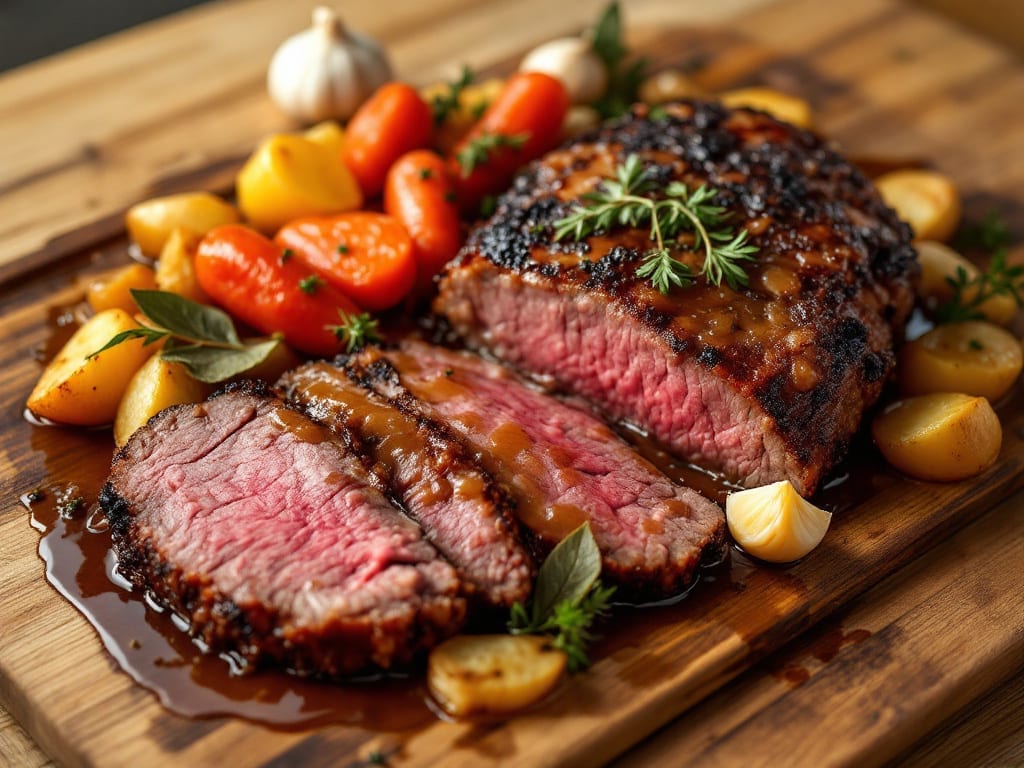
Mastering a corned beef brisket boil transforms tough cuts into melt-in-your-mouth perfection through slow-simmered spice infusion. This recipe delivers restaurant-quality results using traditional techniques like spice packets and long cooking times—no shortcuts here. The key lies in patience: letting the brisket absorb flavors over hours while maintaining precise temperature control.
What sets this method apart is the balance between tender meat and bold seasoning. A properly soaked brisket develops deeper flavor, while the slow simmer breaks down connective tissue for that signature fall-apart texture.
The spice packet adds layers of complexity, but we’ll also show you how to customize it for your taste preferences. For those short on time, we’ll include pressure cooker adaptations that preserve all the traditional qualities.
By the end, you’ll have brisket so tender it practically dissolves on the bone, infused with aromatic spices that make every bite unforgettable. Serve it with classic sides like cabbage, carrots, and potatoes to complete the meal—this is comfort food at its finest.
The aroma alone will have everyone gathering around the table.
Whether you’re preparing for a holiday feast or a cozy weeknight dinner, this recipe delivers foolproof results that impress even the most critical eaters. Let’s get started on creating your own slow-simmered masterpiece.
Ingredients for corned beef brisket boil
Six pounds of brisket, aromatic spices, and classic sides—this boil delivers melt-in-your-mouth perfection.
| Ingredient | Amount | Notes |
|---|---|---|
| Beef Brisket 🥩 | 4 lb | Flat cut, 1.5-inch thick |
| Corned Beef Spice Packet 🌶️ | 1 package | Store-bought or homemade mix |
| Bay Leaves 🍃 | 4 whole | Fresh preferred for aroma |
| Garlic Cloves 🧄 | 8 cloves | Peeled, smashed slightly |
| Onions 🧅 | 2 whole | Yellow or red, peeled |
| Carrots 🥕 | 6 whole | Medium size, peeled |
| Green Cabbage 🥬 | 1 lb | Whole head, cut into wedges |
| Potatoes 🥔 | 4 whole | Russet or Yukon gold |
| Water 💧 | 12 cups | Filtered preferred |
| Beer 🍺 | 2 cups | Dark lager or stout |
| Apple Cider Vinegar 🍎 | ¼ cup | For tangy depth |
| Salt 🧂 | 2 tbsp | Diamond Crystal preferred |
| Black Peppercorns 🌶️ | 1 tbsp | Freshly cracked |
| Mustard Seeds 🌿 | 1 tsp | Whole, toasted lightly |
[recipe_ingredient_scaler]
The brisket is non-negotiable—look for flat cuts with good marbling at Whole Foods or your butcher. A 1.5-inch thickness ensures even cooking. The corned beef spice packet? Store-bought works, but I always boost it with extra black peppercorns and mustard seeds for depth. For beer, Guinness or a dark lager adds maltiness that pairs perfectly with the brisket. If you can’t find fresh bay leaves, dried will work at half the amount, but trust me on the fresh ones—the aroma is worth it.
No corned beef spice packet? DIY with 1 tbsp salt, 1 tbsp brown sugar, 1 tsp black pepper, 1 tsp allspice, 1 tsp cloves, 1 tsp mustard seeds, and 1 tsp paprika. Substituting beer? Extra beef broth with a splash of vinegar keeps the richness. The cabbage and carrots can be swapped for green beans or turnips if you’re feeling adventurous. Potatoes should be waxy varieties—they hold up better to the long simmer. And if you’re using a pressure cooker, reduce the water by 2 cups to account for the steam.
This brisket reheats beautifully—just add a splash of broth and simmer for 10 minutes. The sides keep well too: cabbage and carrots for 3 days, potatoes for 2 days. For leftovers, I like to shred the brisket and serve it on rye bread with mustard—game day lunch, every time. Store everything in airtight containers, and the flavors only get better the next day. Freeze portions for up to 3 months if you’re planning ahead.
Why You’ll Love This Recipe
- One-Pot Magic: I swear by this recipe because it’s literally one pot. Toss in the brisket, dump the spice packet (yes, the whole thing), add chopped onions and garlic, cover with water, and walk away. The brisket falls apart on its own—no babysitting the stove required.
- Spice Packet Shortcut: Honestly, that corned beef spice packet is my secret weapon. It handles the salt, pepper, and herbs for me while I’m busy chopping onions or answering the door. The result? Deep, smoky flavor with zero measuring or stressing over seasoning.
- Leftovers for Days: Between us, this makes way more than I can eat in one sitting. The brisket stays tender for days, so I repurpose it into sandwiches, tacos, or even a quick hash. My freezer’s always stocked with portions—because who wants to cook twice?
- Budget-Friendly Feast: A whole brisket feeds six for under $20. That’s a full meal for the family without breaking the bank. Plus, the onions and garlic I already had in my pantry mean I’m not buying extra. Smart, simple, and satisfying—exactly what I need.
Step-by-step instructions for slow-simmered corned beef brisket
Here’s the method that transforms tough brisket into melt-in-your-mouth perfection.
Prepare the Brisket and Aromatics
Begin by trimming any excess fat from the 4 lb beef brisket, leaving about ¼ inch to protect the meat during cooking. Place the brisket in a large stockpot and add the contents of the 1 package corned beef spice packet, pressing it firmly into all surfaces. This ensures maximum flavor penetration throughout the cooking process.
Add the 4 whole bay leaves, 8 cloves garlic cloves (lightly smashed), 2 whole onions (quartered), 6 whole carrots (cut into 2-inch chunks), and the 1 lb green cabbage (cut into wedges). The vegetables will infuse the meat with their natural sweetness as they simmer. For the potatoes, cut the 4 whole potatoes into 2-inch chunks and set aside for now—we’ll add them later to prevent them from turning mushy.
Build the Flavor Base
Pour the 12 cups water into the pot, followed by the 2 cups beer and 0.25 cup apple cider vinegar. The beer adds depth while the vinegar brightens the overall flavor profile. Sprinkle in the 2 tbsp salt and 1 tbsp black peppercorns, then add the 1 tsp mustard seeds. Stir gently to combine all ingredients without disturbing the brisket too much.
Bring the mixture to a boil over medium-high heat, then immediately reduce to a gentle simmer. The liquid should bubble softly with occasional small bursts—this is crucial for preventing the brisket from toughening. Skim off any foam that rises to the surface during the first 10 minutes of cooking. This ensures a clean, flavorful broth without any impurities.
Simmer Until Fork-Tender
Cover the pot and maintain a steady simmer for 3 hours. Here’s the thing—don’t be tempted to lift the lid or check the brisket during this time. Every time you open the pot, you risk losing heat and extending the cooking time. After 3 hours, check the doneness by inserting a meat thermometer into the thickest part of the brisket. It should read between 195°F and 205°F, indicating the meat is falling-apart tender.
If the brisket isn’t quite tender enough, continue simmering for another 30- to 60-minute increments until it reaches the desired texture. The longer it cooks, the more flavorful it becomes. For the vegetables, add the potato chunks during the final hour of cooking so they absorb the rich flavors without becoming overcooked.
Rest and Serve
Once the brisket reaches the perfect tenderness, carefully remove it from the pot and transfer it to a cutting board. Tent loosely with aluminum foil and let it rest for 15-20 minutes. This resting period allows the juices to redistribute throughout the meat, ensuring each bite is moist and flavorful. During this time, you can skim any remaining fat from the cooking liquid if desired.
Slice the brisket against the grain into ¼-inch thick slices. Serve the meat alongside the simmered vegetables and a ladle of the flavorful cooking liquid. The result should be a rich, aromatic dish where the brisket falls apart at the touch of a fork, and every bite delivers layers of savory, spiced perfection.
Pro Tips For Making Corned Beef Brisket Boil
- Trim the Fat First: Slice off that thick layer of fat on the brisket before boiling—it’ll turn the broth greasy and cloudy. I learned this after making a pot of brisket so oily my cabbage floated like it was swimming in lard.
- Don’t Crowd the Pot: Start with just the brisket, spices, and a splash of water—packing in onions and garlic too early will steam them into mush. Add the rest later when the liquid’s hot enough to caramelize them properly.
- Peel Those Garlic Cloves: Whole garlic cloves stay tough and bitter after hours of boiling. Peel them first, crush them lightly, and scatter them over the brisket in the last 30 minutes—your broth will thank you.
- Skim the Scum Early: The first 10 minutes of boiling will bring up a layer of foam and fat—skim it off with a ladle. I know it’s tedious, but leaving it makes the broth taste like rendered beef fat, not corned beef.
Serving suggestions for corned beef brisket boil
Classic Side Pairings
The brisket’s rich, spiced flavor calls for sides that balance its heartiness. Green cabbage and carrots (simmered in the same pot) provide sweetness and crunch, while Yukon gold potatoes add creaminess.
I always serve them with buttery mashed potatoes—just mash with 2 tbsp butter and ¼ cup milk per pound of potatoes. For a lighter touch, apple sauce with a pinch of cinnamon cuts through the saltiness beautifully. 🥔
Bread Service
No corned beef meal is complete without bread to soak up the juices. Crusty Irish soda bread (store-bought or homemade) is my go-to—its slight tang pairs perfectly with the brisket. For a modern twist, I serve toasted rye bread with Dijon mustard on the side.
If you’re feeling fancy, brioche rolls from Panera or Whole Foods add a buttery luxury. Warm the bread just before serving so it’s soft and ready to absorb every drop of flavor. 🍞
Sauce Elevations
While the brisket’s natural juices shine, a few dips can take your plate to the next level. Horseradish cream (mix ½ cup sour cream, 1 tbsp prepared horseradish, and 1 tsp lemon juice) adds a sharp kick.
For something richer, caramelized onion jam (simmer 2 cups onions with 2 tbsp balsamic vinegar and 1 tbsp brown sugar) melts into every bite. I also love a simple garlic aioli—just whisk ½ cup mayo, 1 minced garlic clove, and 1 tsp lemon zest. 🧄
Dessert Harmony
End the meal with something light to cleanse the palate. Irish coffee cheesecake (topped with whipped cream and a sprinkle of cinnamon) feels celebratory without being too heavy. For a no-bake option, chocolate-dipped strawberries with a drizzle of white chocolate and crushed peanut butter cups add a playful contrast.
If you’re serving a crowd, apple crisp with vanilla ice cream is a crowd-pleaser—its warm spices echo the brisket’s flavors. 🍓
Drink Pairings
A cold dark lager like Guinness or Samuel Adams Black Lager complements the brisket’s depth, while a crisp Sauvignon Blanc (like Kim Crawford) brightens the meal. For non-alcoholic options, sparkling apple cider with a cinnamon stick or ginger beer adds a refreshing zing.
I always serve drinks chilled in copper mugs for that extra touch of coziness. 🍺
Presentation Tips
Slice the brisket against the grain into ¼-inch pieces and arrange it on a platter with the vegetables fanned around it. Garnish with fresh parsley and a sprinkle of smoked paprika for color.
For a rustic touch, serve everything in a cast-iron skillet or wooden board—it keeps the food warm and adds to the homestyle appeal. If you’re serving leftovers, store them in airtight containers with a splash of the cooking liquid to keep everything moist. ✨
Nutrition facts
Frequently asked questions
Why does my corned beef brisket turn out tough instead of tender?
The most common cause is either too much heat (boiling too vigorously) or not enough cooking time. Maintain a gentle simmer—never a rolling boil—and cook until the internal temperature reaches 195°F-205°F. The connective tissue needs 3+ hours to break down properly. Skimming foam in the first 10 minutes also helps prevent impurities that can toughen the meat.
Can I use a pressure cooker for this recipe?
A pressure cooker cuts cooking time to about 90 minutes on high pressure. Reduce the water by 2 cups (accounting for steam), and follow the same spice packet and aromatics. After cooking, let the pressure release naturally for 15 minutes before opening. The meat will still be fork-tender, though the texture may be slightly firmer than traditional boiling.
What’s the best way to reheat leftover corned beef?
Slice the brisket and reheat in a skillet with a splash of the cooking liquid over medium-low heat for 5-7 minutes, or until warmed through. For leftovers in the pot, simmer for 10 minutes with an extra ½ cup water or broth. Never microwave—it dries out the meat. Store leftovers in airtight containers with a bit of the broth to keep them moist for up to 3 days.
Do I need to soak the brisket before cooking?
Not required, but soaking for 1-2 hours in cold water removes excess salt and improves texture. If using a store-bought spice packet, the brisket is already pre-seasoned, so soaking isn’t critical. For homemade corned beef mixes with high salt content, soaking is recommended. Rinse the brisket after soaking and pat dry before seasoning.
What’s the difference between a flat-cut and point-cut brisket?
A flat-cut is leaner and more uniform, ideal for this recipe as it cooks evenly. A point-cut (the triangular end) has more fat and connective tissue, making it better for pulled meat. For this boil, stick with the flat-cut—it’s easier to slice and serves 6-8 people perfectly. If using a whole packer brisket (flat + point), separate them and cook the point longer (add 1-2 extra hours).

Trained in classic French technique but raised on slow-cooked ribs and spicy rubs, she blends culinary skill with smoke and soul.
- Smoked Apples Recipe: Caramelized Sweetness With Smoky Depth - October 15, 2026
- Corned Beef Brisket Boil Recipe: Slow-Simmered Spice Bomb With Fall-Apart Meat - October 15, 2026
- Pit Boss Brisket Recipe: Smoky Bark and Fall-Apart Tenderness in 12 Hours - October 15, 2026