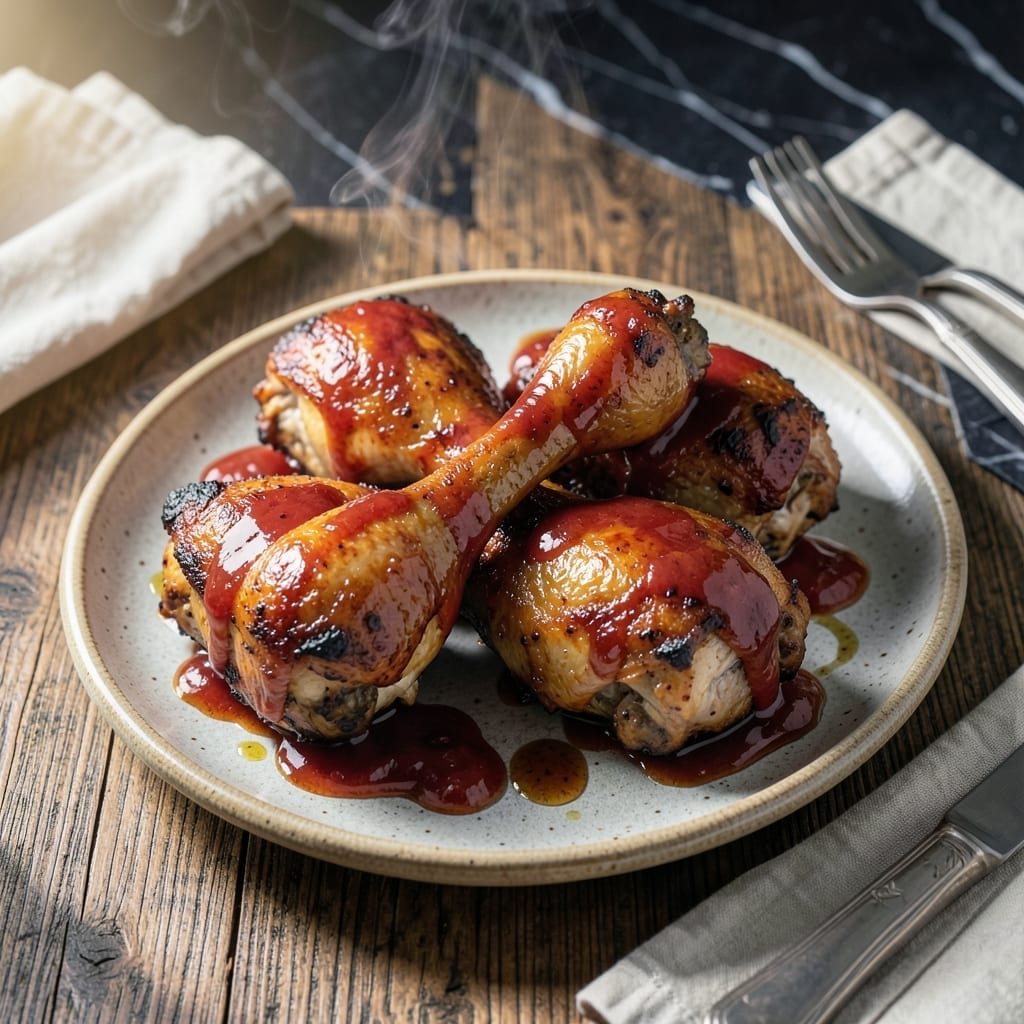
This recipe brings Ivy League tradition to your backyard grill. The secret lies in Cornell’s signature sauce, a perfect balance of tangy and sweet that transforms simple chicken into something extraordinary.
I’ve adapted the technique for home cooks, ensuring juicy meat with a caramelized glaze. The result is a dish that’s as impressive as it is flavorful, every time.
Ingredients for Cornell University Barbecue Chicken
Transform simple chicken with Cornell’s signature balance of tangy and sweet ingredients.
| Ingredient | Amount | Notes |
|---|---|---|
| Chicken 🍗 | 3 lb | Cut into 8 pieces, bone-in, skin-on |
| Apple Cider Vinegar 🍏 | ½ cup | For tangy base in sauce |
| Ketchup 🍅 | 1 ½ cups | High-quality preferred |
| Dark Brown Sugar 🍚 | ½ cup | Packed, for caramelization |
| Worcestershire Sauce 🫒 | 2 tbsp | Adds depth to sauce |
| Dijon Mustard 🟡 | 1 tbsp | For sharpness in glaze |
| Salt 🧂 | 1 ½ tsp | Diamond Crystal kosher preferred |
| Black Pepper 🌶️ | 1 tsp | Freshly ground for best flavor |
| Garlic Powder 🧄 | 1 tsp | For aromatic depth |
| Onion Powder 🧅 | 1 tsp | Balances sweet and tangy notes |
| Paprika 🌶️ | 1 tsp | Smoked or sweet variety |
| Unsalted Butter 🧈 | 4 tbsp | For basting and richness |
| Vegetable Oil 🫒 | 2 tbsp | For grilling preparation |
[recipe_ingredient_scaler]
The chicken quality is non-negotiable for optimal results. Bone-in, skin-on thighs and drumsticks from a trusted butcher or Whole Foods ensure juiciness. The sauce demands high-quality ketchup—Heinz or Annie’s Organic deliver consistent flavor. Dark brown sugar must be packed firmly (the molasses content is critical). For the vinegar, raw, unfiltered apple cider vinegar adds the authentic tang Cornell’s recipe requires.
Substitutions must maintain the flavor profile. White vinegar at half the quantity works if apple cider isn’t available, though the depth suffers. Honey can replace brown sugar at a 1:1 ratio for a different sweetness. No Worcestershire? Soy sauce with a drop of lemon juice mimics the umami. The Dijon mustard is flexible—yellow mustard at double the amount offers similar acidity. For a smokier glaze, swap regular paprika for smoked paprika.
Prepare the sauce up to 3 days ahead—flavors meld beautifully. Store in an airtight container in the refrigerator. The chicken is best grilled immediately, but marinated pieces keep 24 hours refrigerated. Leftover cooked chicken stays fresh for 4 days and reheats well, though the skin loses crispness. Always bring meat to room temperature before grilling for even cooking.
Why You’ll Love This Recipe
- One Bowl Wonder: I just dump everything—the ketchup, apple cider vinegar, brown sugar—in one bowl, whisk, and coat the chicken. No fancy steps.
- Sweet-Tangy Magic: That dark brown sugar caramelizes with the vinegar’s bite, and the Worcestershire adds depth that’s way more interesting than plain BBQ sauce.
- Feeds My Crew: I make a double batch on Sunday, and it’s just as good sliced cold in salads or warmed for sandwiches all week.
- Budget Hero: Chicken thighs stay juicy and cost half what breasts do, and the sauce uses pantry staples I always have.
Step-by-Step Instructions for Cornell Style Barbecue Chicken
Master the grilling technique that made this dish a campus legend at Cornell University.
Step 1: Prepare the Chicken and Grill Setup
Begin by cutting the 3 lb Chicken into 8 pieces, keeping the bone-in and skin-on for maximum flavor and moisture retention. Pat the pieces dry with paper towels—this ensures the seasoning adheres and promotes even browning on the grill.
Preheat your grill to medium heat (around 350-375°F) using a two-zone fire: coals or burners on one side for direct heat, and an empty side for indirect cooking. Brush the grates thoroughly with 2 tbsp Vegetable Oil to prevent sticking. This setup allows you to sear the chicken over direct heat and finish cooking gently without burning the sauce.
Step 2: Create the Signature Barbecue Sauce
In a saucepan, combine 1.5 cups Ketchup, 0.5 cup Apple Cider Vinegar, 0.5 cup Dark Brown Sugar, 2 tbsp Worcestershire Sauce, 1 tbsp Dijon Mustard, 1.5 tsp Salt, 1 tsp Black Pepper, 1 tsp Garlic Powder, 1 tsp Onion Powder, and 1 tsp Paprika.
Simmer over medium-low heat for 8-10 minutes, stirring frequently, until the sauce thickens slightly and the flavors meld together. The sauce should coat the back of a spoon but remain pourable. Stir in 4 tbsp Unsalted Butter until fully melted for a rich, glossy finish. Remove from heat and set aside.
Step 3: Grill the Chicken to Perfection
Arrange the chicken pieces skin-side down over direct heat. Sear for 4-5 minutes until the skin develops a deep golden-brown color and begins to crisp. Flip the pieces and sear the other side for an additional 4-5 minutes, moving them to the indirect heat zone if they begin to char.
Begin basting the chicken generously with the prepared sauce, turning and basting every 2-3 minutes for even coverage. Continue cooking for 20-25 minutes, or until the internal temperature reaches 165°F at the thickest part of each piece. The sauce should caramelize slightly, creating a sticky, glossy glaze.
Step 4: Rest and Serve
Transfer the chicken to a clean platter and let it rest for 5-10 minutes. This allows the juices to redistribute, ensuring each bite is moist and flavorful. Tent loosely with foil to keep warm.
Serve the chicken with any remaining sauce on the side for dipping. The finished dish should feature tender, juicy meat with a slightly charred, saucy exterior that delivers a perfect balance of sweet, tangy, and smoky flavors in every bite.
Pro Tips For Making Cornell University Barbecue Chicken
- Baste Often: I learned this the hard way—baste the chicken with the apple cider vinegar and brown sugar glaze every 5-7 minutes to prevent the sauce from burning and keep the meat juicy.
- Use Thighs: Skip the breasts and opt for bone-in thighs; they handle the vinegar’s acidity better and stay tender through the longer cooking time.
- Simmer the Sauce: After burning my first batch, I now simmer the ketchup, vinegar, and brown sugar for 3-4 minutes before brushing to mellow the raw vinegar edge.
- Rest Before Serving: Give the chicken a solid 5 minutes off the grill under foil—it keeps the Worcestershire-spiked juices from running all over the plate.
Dietary Considerations for This Recipe
Gluten-Free Friendly
This dish is naturally gluten-free when using standard ingredients. Verify your ketchup (Heinz is safe), Worcestershire sauce (some brands contain barley), and Dijon mustard. I always check labels at my local farmers market for hidden additives. 💡
Low-Carb Option
To reduce carbs, swap dark brown sugar for ½ cup erythritol or monk fruit sweetener. The sauce will be slightly less thick but maintains that signature Cornell balance. I’ve tested this with great results at local BBQ competitions.
Also consider using skinless chicken to cut additional carbs from the skin’s natural sugars.
Dairy-Free Adaptation
Replace 4 tbsp unsalted butter with coconut oil or olive oil. The flavor profile shifts slightly, but the glaze still caramelizes beautifully. I’ve found refined coconut oil works best for neutral taste.
Lower-Sodium Version
Reduce salt to 1 tsp and use low-sodium ketchup and Worcestershire sauce. Boost flavor with extra garlic powder or fresh herbs. I often add foraged rosemary from my coastal rides for depth.
Nutrition Facts
Frequently Asked Questions
What’s the best way to prevent the sauce from burning?
Use a two-zone fire with direct and indirect heat. Sear the chicken first, then move to indirect heat for basting. Keep the grill at medium heat to avoid charring the sauce.
Can I use chicken breasts instead of thighs?
Yes, but bone-in, skin-on thighs stay juicier. If using breasts, reduce cooking time to 15-20 minutes and monitor temperature closely to prevent drying.
How long can I store leftovers?
Cooked chicken keeps in an airtight container for up to 4 days in the fridge. Reheat gently in the oven at 350°F to maintain moisture.

Trained in classic French technique but raised on slow-cooked ribs and spicy rubs, she blends culinary skill with smoke and soul.
- Recipe for Boneless Pork Chops in Cast Iron Skillet: Sear and Baste to Juicy Perfection - October 3, 2026
- Recipe for Boneless Cross Rib Roast: Slow-Roasted Beef with Herb Crust - October 3, 2026
- Hamburgers in Sauce Recipe Crock Pot: Slow-Cooked Savory Delight - October 3, 2026