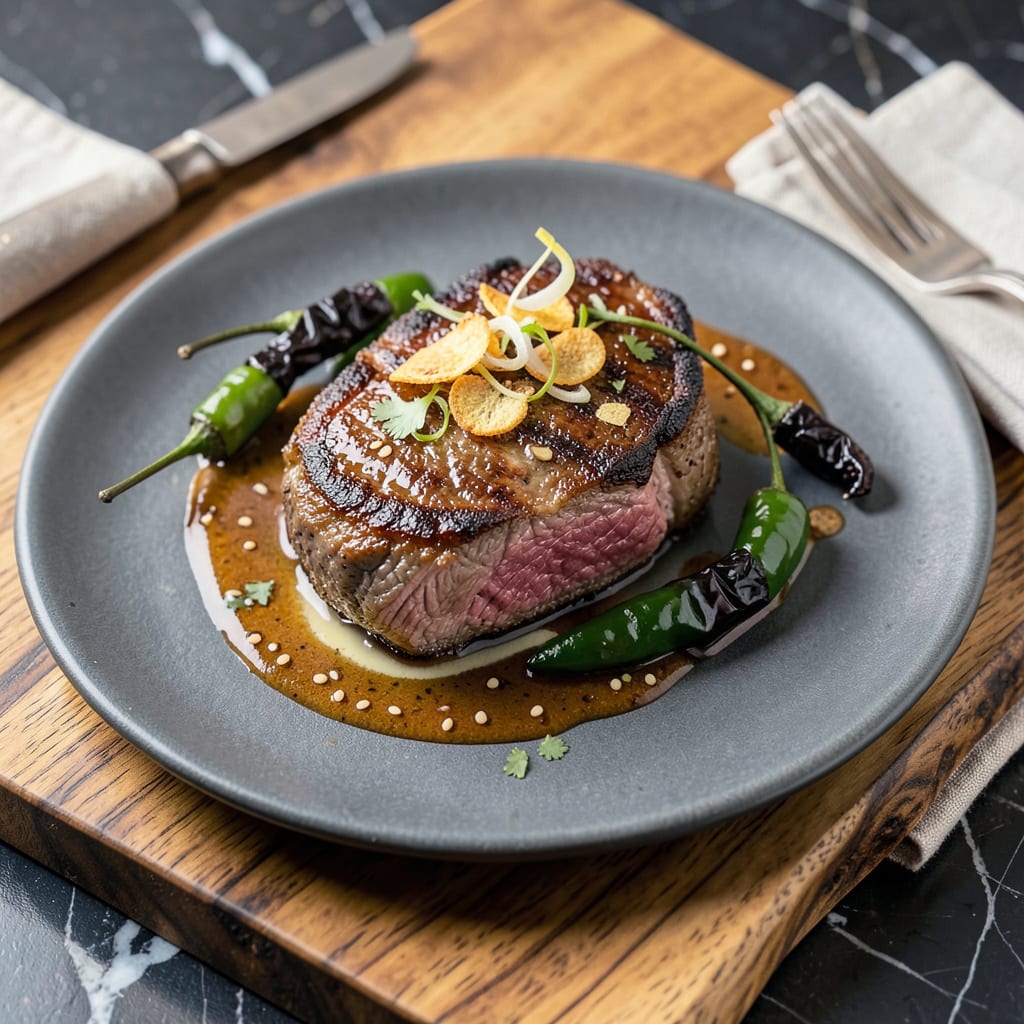
I’ll be real with you: the first time I saw someone dusting steak with cornstarch, I thought it was some kind of kitchen witchcraft. But after testing it on everything from ribeyes to flank steaks, I’m convinced this is the easiest way to get that crispy, restaurant-quality crust at home. The science is simple—cornstarch draws moisture to the surface, creating a perfect sear while keeping the inside juicy.
Here’s the thing—most home cooks overlook this step because it seems unnecessary. But that light dusting of cornstarch before searing transforms your steak from good to “how’d you make this?” great. I use it on everything from quick stir-fry strips to thick-cut ribeyes, and it never fails to deliver that satisfying crunch with every bite. No fancy equipment required, just a little patience and the right technique.
The method couldn’t be simpler: pat your steak bone-dry, give it a light coat of cornstarch, then sear it in a screaming-hot pan. What comes out is steak with a golden, crispy exterior and perfectly tender meat inside. I’ve converted more skeptics with this trick than any other—once you try it, you’ll never skip this step again.
Pair it with garlic mashed potatoes or a simple green salad, and you’ve got a meal that tastes like it came from a steakhouse. The best part? This works just as well on chicken, pork chops, or even tofu if you’re looking to switch things up. Let’s get that pan hot.
📚 In This Guide
- What You’ll Need
- Instructions
- Tips and Common Mistakes
What Youll Need
- ● Steak: 1–2 cuts (8–16 oz each) of ribeye, sirloin, or flank steak (1–1.5 inches thick for best results). Pat dry with paper towels before use! 🥩
- ● Cornstarch: 1–2 tbsp pure cornstarch (no clumps—sift if needed). Avoid substitutes like flour or arrowroot for this method.
- ● Kosher salt: 1–2 tsp (or to taste). Coarse grains adhere better than table salt.
- ○ Black pepper: ½–1 tsp freshly ground (optional but recommended).
- ● High-smoke-point oil: 2–3 tbsp avocado, grapeseed, or refined peanut oil for searing. Avoid olive oil—it burns at high heat!
- ● Cast-iron skillet (10–12 inches) or heavy stainless-steel pan—nonstick won’t crisp as well. ⚠️
- ● Tongs (avoid forks—they pierce the meat!).
- ○ Meat thermometer (optional but highly recommended for perfect doneness).
- ● Paper towels for patting steak dry and draining excess oil.
- ○ Wire rack + baking sheet (optional, for resting steak without soggy crust).
Instructions for Achieving the Perfect Crispy Steak Crust
Here’s the simple technique that transforms your steak from good to restaurant-quality every time.
Choose and Prepare Your Steak
Start with a well-marbled steak like ribeye or New York strip, about 1 to 1½ inches thick. The marbling ensures juiciness while the thickness prevents overcooking during searing. Pat the steak completely dry with paper towels—this is crucial because moisture creates steam, which prevents that perfect crust from forming.
Let the steak sit at room temperature for 30-45 minutes before cooking. This allows for more even cooking throughout the steak. I always place mine on a wire rack set over a plate to ensure air circulates around the entire steak, keeping all surfaces dry and ready for the cornstarch treatment.
Apply the Cornstarch Coating
Lightly coat the steak with cornstarch on all sides, patting it gently to ensure even coverage. You want just enough to create a thin, uniform layer—about 1 teaspoon per side for a typical steak. Don’t press too hard; the cornstarch should adhere naturally to the dry surface.
The cornstarch works by absorbing surface moisture and creating a dry layer that will caramelize beautifully when it hits the hot pan. I’ve found this technique works best when applied right before cooking, not in advance. If you coat it too early, the cornstarch can absorb too much moisture from the steak and become gummy.
Sear in a Ripping Hot Pan
Heat a heavy skillet (cast iron works best) over high heat until it’s smoking hot. Add high-smoke-point oil like avocado or grapeseed oil—just enough to coat the bottom of the pan. The oil should shimmer immediately when added to the hot pan.
Place the steak in the pan and don’t touch it for 2-3 minutes. You’ll hear a satisfying sizzle immediately, and you’ll see the edges start to brown. Resist the urge to peek or move the steak—this undisturbed contact creates that beautiful, even crust. The cornstarch will transform into a golden-brown, crispy layer that’s both visually impressive and texturally perfect.
Flip and Finish with Butter Basting
Flip the steak using tongs (never a fork, as it pierces the meat) and cook for another 2-3 minutes on the second side. At this point, add 2 tablespoons of butter, a few garlic cloves, and fresh herb sprigs like thyme or rosemary to the pan.
Tilt the pan slightly and spoon the melted butter continuously over the steak for the final 1-2 minutes of cooking. This basting technique adds incredible flavor while helping to crisp up the sides of the steak. The cornstarch crust will absorb some of this buttery goodness, creating an extra layer of flavor in every bite.
Rest and Serve Immediately
Transfer the steak to a cutting board and let it rest for 5-10 minutes before slicing. This resting period allows the juices to redistribute throughout the meat. You’ll notice the cornstarch crust remains crispy even after resting—a testament to how well this technique works.
Slice against the grain and serve immediately. Each bite should deliver that perfect contrast: a crispy, caramelized exterior giving way to tender, juicy meat inside. The cornstarch creates a crust that’s noticeably crunchier than what you’d get with flour or no coating at all, elevating your steak to restaurant quality right in your own kitchen.
Tips and Common Mistakes
After years of perfecting this technique, I’ve learned the small details that make all the difference in achieving that restaurant-worthy crust.
The Temperature Factor: That 30-45 minutes at room temperature isn’t just about even cooking—it’s about surface dryness. When you take the steak straight from the fridge, the cold surface creates condensation that ruins your crust. I always use a wire rack as mentioned in Step 1 to ensure air circulates completely around the steak, keeping every surface perfectly dry and ready for the cornstarch.
Cornstarch Application: When applying the 1 teaspoon per side in Step 2, don’t be tempted to use more thinking it’ll create a thicker crust. Too much cornstarch absorbs too much moisture and can create a gummy layer instead of that perfect crisp. I’ve found the best method is to sprinkle it over the steak from about 6 inches above, then gently pat it on—this creates an even, thin layer that caramelizes beautifully.
Heat Control: The high heat in Step 3 is non-negotiable for that perfect crust. But here’s what nobody tells you—your pan needs to be properly preheated. I wait until I see the first wisp of smoke before adding oil, and the oil should shimmer immediately. If your oil doesn’t shimmer, your pan isn’t hot enough yet. Those 2-3 minutes of undisturbed cooking create the foundation of your crust, so don’t rush this step.
Resting Wisdom: The 5-10 minute rest in Step 5 isn’t just about juice redistribution—it’s about crust preservation. When you cut into a steak too soon, all those beautiful juices rush to the surface and can soften your crispy exterior. I always rest my steaks on a warm plate (not room temperature) to maintain that perfect texture contrast between the crust and interior.
Pro Tips for Cornstarch On Steak
- After years of perfecting this technique, I’ve learned the small details that make all the difference in achieving th…
- The Temperature Factor: That 30-45 minutes at room temperature isn’t just about even cooking—it’s about surface dryne…
- Cornstarch Application: When applying the 1 teaspoon per side in Step 2, don’t be tempted to use more thinking it’ll …
Frequently Asked Questions
Does cornstarch make steak taste different?
Nope! Cornstarch is flavorless—it only enhances texture. When seared, it creates a crispy, golden crust while keeping the inside juicy. Just don’t overdo it (½–1 tsp per steak is plenty), or you might notice a slight starchy mouthfeel. Think of it as a texture upgrade, not a flavor change!
How long should I let the cornstarch sit on the steak before cooking?
Pat the steak dry, apply cornstarch, then let it rest 10–15 minutes at room temp. This gives the starch time to adhere and absorb surface moisture for maximum crispiness. Pro tip: Don’t skip drying the steak first—wet surfaces = clumpy mess!
Can I use flour or arrowroot powder instead of cornstarch?
Yes, but with trade-offs:
- Flour: Creates a thicker crust but can taste “bready.” Best for pan-frying.
- Arrowroot: Lighter crisp (great for gluten-free!) but burns easier. Use high heat and watch closely.
Why did my steak turn out gummy instead of crispy?
Three likely culprits:
- Too much cornstarch (stick to ½–1 tsp per steak).
- Low heat—sear on ripping hot (450°F+ for cast iron).
- Overcrowding the pan (steam = enemy of crisp!). Cook one steak at a time.
Is cornstarch on steak safe for gluten-free or keto diets?
Cornstarch is naturally gluten-free (but check labels for cross-contamination). For keto, it’s not ideal—1 tbsp has ~7g net carbs. Swap for arrowroot powder (lower carb) or skip the starch and dry-brine for crispiness. Always verify brands!
Now you’ve got the secret to that perfectly crispy, golden-brown crust—cornstarch is your steak’s new best friend! 🎯 Whether you’re grilling, pan-searing, or stir-frying, this simple trick elevates home-cooked steak to restaurant-level deliciousness with minimal effort. No fancy tools, just a pantry staple and a little know-how.
Ready to put it to the test? Grab your favorite cut, dust it with cornstarch, and fire up that pan—your taste buds (and dinner guests) will thank you! For even more pro tips, check out our guide on how to rest steak like a chef next. Happy cooking! 🍳

Trained in classic French technique but raised on slow-cooked ribs and spicy rubs, she blends culinary skill with smoke and soul.
- Recipe for Boneless Pork Chops in Cast Iron Skillet: Sear and Baste to Juicy Perfection - October 3, 2026
- Recipe for Boneless Cross Rib Roast: Slow-Roasted Beef with Herb Crust - October 3, 2026
- Hamburgers in Sauce Recipe Crock Pot: Slow-Cooked Savory Delight - October 3, 2026