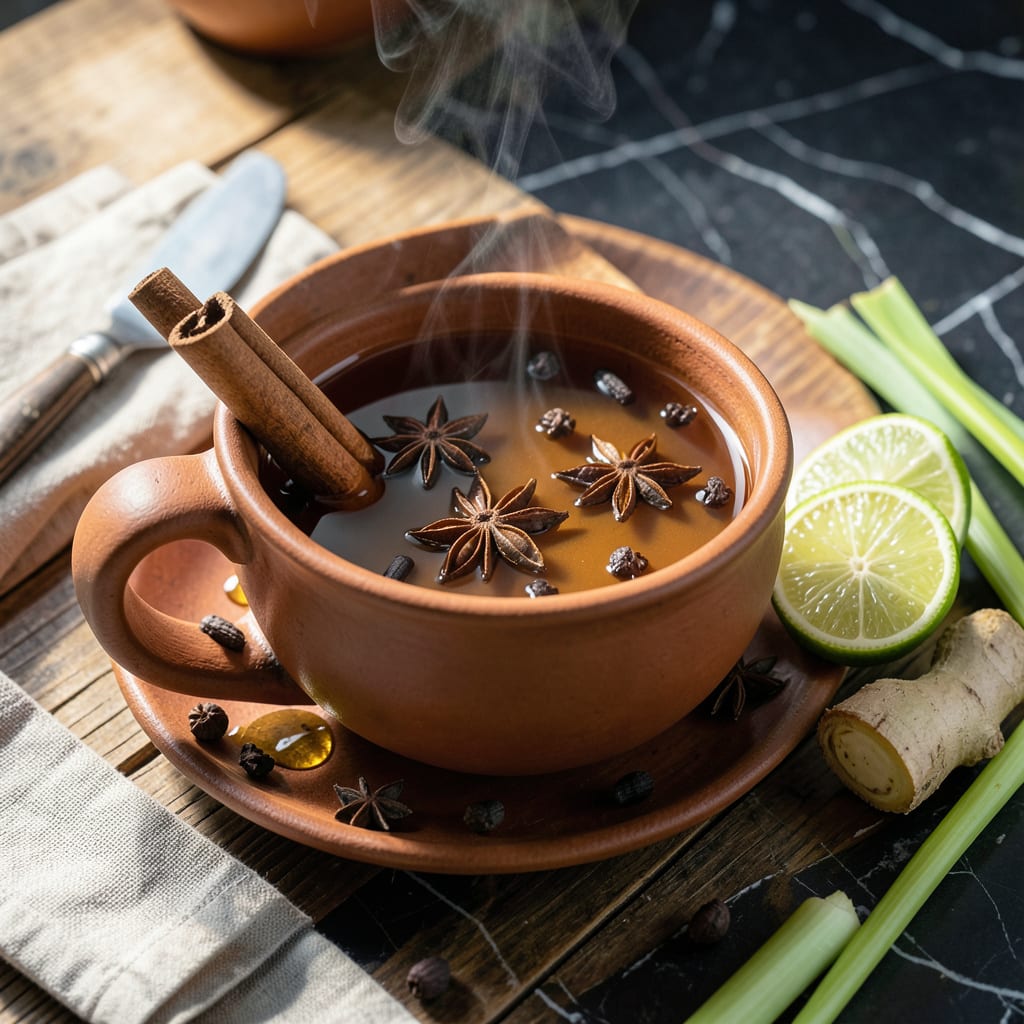
This traditional infusion captures the essence of Costa Rican hospitality using simple, time-honored ingredients. The process transforms raw cane sugar into a rich, caramelized syrup that forms the base of this beloved beverage.
Whether served warm or chilled, this traditional drink offers a perfect balance of sweetness and depth. The method has been passed down through generations, making it a cultural staple worth preserving.
Ingredients for Costa Rican Tea
Simple ingredients transform into a cultural staple with deep, caramelized richness and warm spice notes.
| Ingredient | Amount | Notes |
|---|---|---|
| Raw Cane Sugar 🍚 | 2 cups | Also called piloncillo or panela |
| Water 💧 | 4 cups | Filtered for best taste |
| Cinnamon Stick 🌿 | 1 whole | Ceylon or cassia variety |
| Star Anise Pods ✨ | 2 whole | Optional but traditional |
| Cloves 🌼 | 4 whole | Lightly crushed to release aroma |
| Lime Juice 🍈 | 2 tbsp | Freshly squeezed preferred |
| Vanilla Bean 🌱 | 1 whole | Split lengthwise, seeds scraped |
| Allspice Berries 🌰 | 6 whole | Lightly crushed |
| Orange Peel 🍊 | 1 whole | Dried or fresh, no pith |
| Lemon Grass 🌾 | 1 stalk | Bruised to release oils |
| Ginger Root 🌱 | 1 whole | Peeled and sliced |
[recipeingredientscaler]
The raw cane sugar is non-negotiable—look for piloncillo cones or panela blocks at Latin markets or Whole Foods. Quality matters here since it’s the base. Ceylon cinnamon offers a more delicate flavor than cassia, but both work beautifully. Star anise and cloves should be whole (not ground) for better infusion control. If sourcing fresh spices, Penzeys offers excellent quality for mail-order convenience.
No piloncillo? Dark brown sugar is the closest substitute, though the flavor will be slightly different. Missing a spice? Skip it rather than using powdered versions—they can make the infusion bitter. Vanilla extract (1 tsp) can replace the bean in a pinch. For a citrus variation, swap lime for lemon or orange juice. The ginger can be fresh or dried (use 1 tsp powdered).
The syrup keeps wonderfully. Refrigerate in a sealed jar for up to 2 weeks, or freeze for 3 months. For serving, dilute with hot water for tea or pour over ice for a refreshing drink. The spices can be reused once for a lighter second batch.
Why You’ll Love This Recipe
- 5-Minute Simmer: I toss everything in a pot and let the cinnamon and star anise work their magic while I do the dishes.
- Warm Spice Hug: The raw cane sugar caramelizes just enough to make the cloves and anise taste like a cozy blanket in a mug.
- Crowd-Pleasing Pitcher: I double the batch and keep it in the fridge—guests think I slaved over it, but honestly it’s just boiled water and spices.
- Pocket Change Luxury: A handful of pantry staples and a few pennies worth of spices give me café-quality tea without the café price tag.
Step-by-Step Instructions for Traditional Agua Dulce Infusion
This authentic method preserves the cultural essence while ensuring balanced, aromatic results.
Step 1: Prepare the Spices and Aromatics
Lightly crush the 4 whole Cloves and 6 whole Allspice Berries to release their essential oils. Split the 1 whole Vanilla Bean lengthwise and scrape the seeds. Peel and slice the 1 whole Ginger Root into thin rounds. Bruise the 1 stalk Lemon Grass with the flat side of your knife to open its fibers.
This preparation step maximizes the infusion of flavors into the tea. The crushing and bruising techniques ensure the spices and aromatics release their full potential during the steeping process.
Step 2: Create the Raw Cane Sugar Syrup
In a medium saucepan, combine the 2 cups Raw Cane Sugar with the 4 cups Water. Add the 1 whole Cinnamon Stick, prepared cloves, allspice berries, vanilla bean (with seeds), sliced ginger root, bruised lemon grass, and 1 whole Orange Peel.
Bring the mixture to a boil over medium-high heat, stirring until the raw cane sugar completely dissolves. Reduce the heat to medium-low and let it simmer for 10-12 minutes until the liquid takes on a light amber color and the spices become fragrant.
Step 3: Steep and Infuse the Flavors
Remove the saucepan from heat. Cover and let the mixture steep for 20-25 minutes. This allows the spices to fully infuse the syrup, creating a rich, complex flavor base characteristic of traditional agua dulce.
During this time, the liquid will deepen in color and develop a warm, spiced aroma. The longer you steep, the more pronounced the spice flavors will become, but avoid exceeding 30 minutes to prevent bitterness from over-extraction.
Step 4: Strain and Finish the Infusion
After steeping, strain the mixture through a fine-mesh sieve into a clean pitcher or serving vessel. Press gently on the solids to extract all the liquid, but avoid squeezing, which can release bitter compounds from the spices.
Stir in the 2 tbsp Lime Juice to balance the sweetness and add a bright, citrus note. The finished agua dulce should have a deep amber hue and a fragrant, spiced aroma with a perfect balance of sweet and tart flavors.
Serve warm or at room temperature, traditionally in small cups to savor the rich, complex flavors of this Costa Rican specialty.
Pro Tips For Making Costa Rican Tea
- Simmer, Don’t Boil: Keep the heat low—boiling water will make the spices bitter instead of letting their flavors slowly infuse, which is what you want for that smooth Costa Rican taste.
- Toast the Spices: Lightly toasting the cinnamon stick, star anise, and cloves in a dry pan for 30 seconds before adding water wakes up their oils and makes the tea way more aromatic.
- Skip the Powder: Resist the urge to use ground cinnamon or pre-ground cloves—they turn the tea cloudy and can taste grainy, while whole spices steep clean and bold.
- Sweeten at the End: Stir in the raw cane sugar after turning off the heat to preserve its deep, molasses-like flavor instead of letting it cook down and lose its character.
Serving Suggestions for costa rican tea
Traditional Presentation
Serve this infusion in small clay mugs or espresso cups to honor Costa Rican tradition. The earthy vessels complement the warm spices and enhance the sensory experience. I love using my grandmother’s hand-painted cups for special occasions. 💛
Temperature Variations
For a refreshing twist, serve it chilled over ice cubes with a lime wedge on the rim. In winter, warm it gently on the stove with an extra cinnamon stick for cozy comfort.
Sweet Pairings
This tea pairs beautifully with buttery empanadas or tamales for a true Costa Rican spread. The sweetness balances the savory fillings perfectly. I often serve it with queso palmito for a simple snack.
Garnish Ideas
Float a thin orange slice or star anise pod in each cup for visual appeal. A sprinkle of ground cinnamon on top adds a fragrant finishing touch.
Cultural Touch
In Costa Rica, this is often shared during fiestas patronales or family gatherings. Serve it alongside tres leches cake for a complete cultural experience.
Make it Special
For holidays, rim the cups with raw cane sugar before pouring. The caramelized crystals add a festive crunch that complements the tea’s richness. ✨
Nutrition Facts

Trained in classic French technique but raised on slow-cooked ribs and spicy rubs, she blends culinary skill with smoke and soul.
- Recipe for Boneless Pork Chops in Cast Iron Skillet: Sear and Baste to Juicy Perfection - October 3, 2026
- Recipe for Boneless Cross Rib Roast: Slow-Roasted Beef with Herb Crust - October 3, 2026
- Hamburgers in Sauce Recipe Crock Pot: Slow-Cooked Savory Delight - October 3, 2026