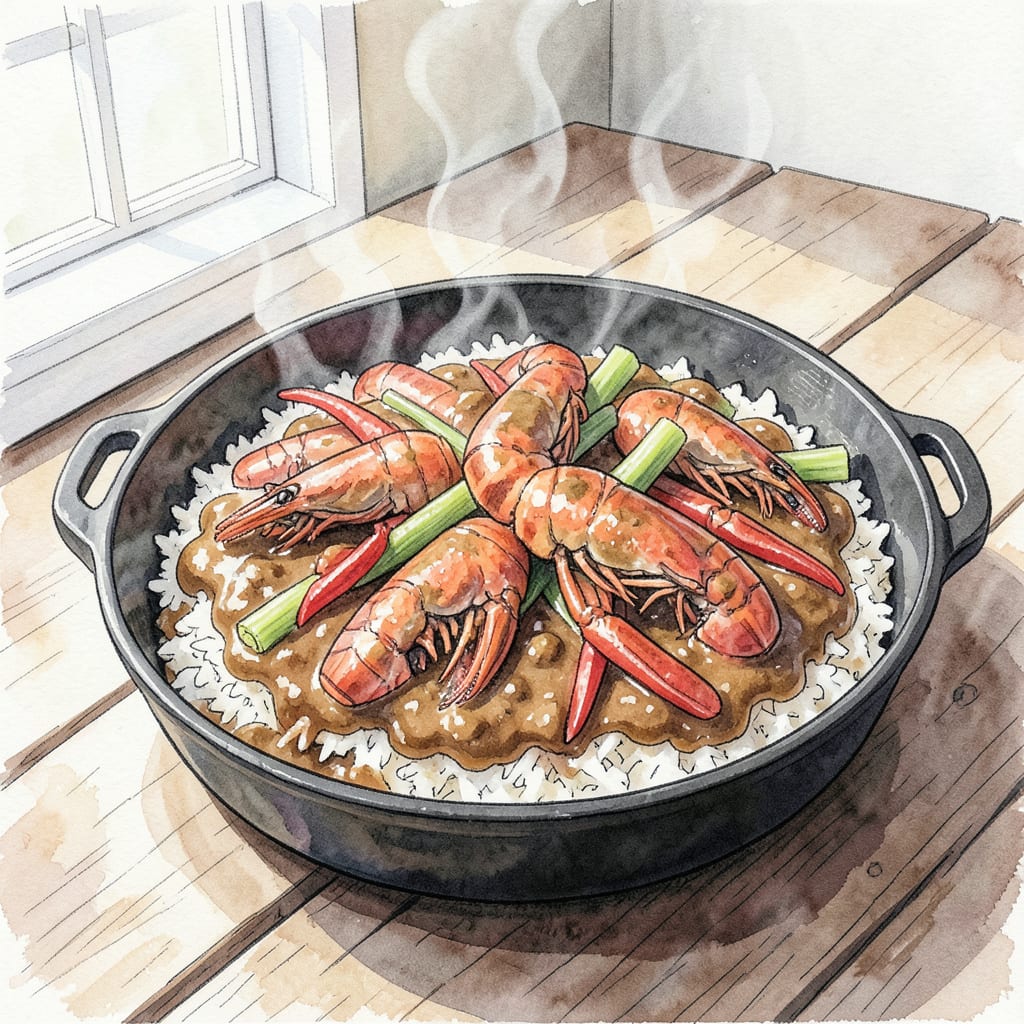
I’m thrilled to share Paul Prudhomme’s authentic Crawfish Etouffee recipe, a true Cajun classic that brings the flavors of Louisiana to your table. This rich, spicy stew is made with tender crawfish, vegetables, and a dark roux, served over rice for a hearty meal.
With its deep roots in Cajun cuisine, this etouffee recipe delivers authentic flavors that’ll transport you to the bayous of Louisiana. The combination of succulent crawfish, aromatic vegetables, and a perfectly browned roux creates a dish that’s both comforting and bold.
Ingredients for Crawfish Etouffee Recipe Paul Prudhomme
Gather these authentic Cajun ingredients for Paul Prudhomme’s famous Crawfish Etouffee recipe.
| Ingredient | Amount | Notes |
|---|---|---|
| Crawfish Tails 🦐 | 1 lb | Fresh or frozen, thawed |
| Vegetable Oil 🫒 | ½ cup | For making roux |
| All-Purpose Flour 🌾 | ½ cup | For roux, preferably White Lily |
| Onion 🧅 | 1 whole | Finely chopped, yellow or white |
| Bell Pepper 🫑 | 1 whole | Green, finely chopped |
| Celery Stalks 🥕 | 2 stalks | Finely chopped |
| Garlic Cloves 🧄 | 3 cloves | Minced |
| Cajun Seasoning 🌶️ | 2 tbsp | Paul Prudhomme's Magic Seasoning or similar |
| Dried Thyme 🌿 | 1 tsp | Crushed between fingers before adding |
| Dried Oregano 🌿 | 1 tsp | Mexican oregano preferred |
| Cayenne Pepper 🔥 | ½ tsp | Adjust to desired heat level |
| Paprika 🌶️ | 1 tsp | Sweet or smoked paprika |
| Black Pepper 🌶️ | ¼ tsp | Freshly ground |
| Salt 🧂 | 1 tsp | Kosher or sea salt |
| Chicken Broth 🍲 | 2 cups | Low-sodium, can use seafood broth as alternative |
| Tomato Paste 🍅 | 2 tbsp | Concentrated, not canned tomatoes |
| Worcestershire Sauce 💧 | 1 tbsp | Anchovy-based, adds depth |
| Hot Sauce 🔥 | 1 tbsp | Louisiana-style hot sauce like Tabasco |
| Long-Grain Rice 🍚 | 1 cup | Uncooked, for serving |
| Scallions 🌿 | ¼ cup | Chopped, for garnish |
[recipe_ingredient_scaler]
For the roux, White Lily flour gives that silky texture. If you can’t find it, regular all-purpose works too. The key is slow cooking—stir constantly over medium heat. Cajun seasoning is crucial—Paul Prudhomme’s Magic Seasoning is the gold standard. Can’t find it? Make your own blend with paprika, garlic powder, and thyme.
No fresh crawfish? Frozen works great if thawed properly. For the vegetables, the holy trinity (onion, bell pepper, celery) is non-negotiable. Don’t skip the Worcestershire—it adds that umami flavor. Hot sauce is optional but recommended for that authentic kick. If you need gluten-free, watch the Worcestershire sauce brand.
This keeps well in the fridge for 3-4 days. Reheat gently on low, adding a splash of broth if too thick. Freezes for 3 months—portion into containers before freezing. Serve over freshly cooked long-grain rice. Garnish with scallions for that authentic touch.
Step-by-Step Instructions for Authentic Crawfish Etouffee
Let’s cook up some authentic Cajun crawfish etouffee, just like Paul Prudhomme taught us.
Step 1: Make the Roux
Heat the 0.5 cup vegetable oil in a large cast-iron pot over medium heat. Gradually whisk in the 0.5 cup all-purpose flour, stirring constantly to prevent lumps. Continue cooking, stirring frequently, until the roux reaches a dark brown color, about 20-25 minutes. Be patient and keep stirring – this is the foundation of your etouffee’s flavor.
As the roux cooks, you’ll notice it going through different colors. It starts light, then turns peanut butter brown, and finally reaches that beautiful chocolate brown we’re aiming for. If you see any black specks, it’s too dark, so keep an eye on it.
Step 2: Soften the Vegetables
Once your roux is ready, carefully add the finely chopped onion, 1 whole bell pepper, and 2 stalks celery stalks. The mixture will bubble vigorously, so stand back and stir well. Reduce heat to medium-low and cook, stirring occasionally, until the vegetables are tender and soft, about 10-12 minutes.
As the vegetables cook, they’ll absorb the roux’s flavor and create that signature etouffee base. Make sure to scrape the bottom of the pot to prevent any roux from sticking. When the vegetables are done, they’ll be soft and fragrant, filling your kitchen with that authentic Cajun aroma.
Step 3: Add Aromatics and Seasonings
Add the 3 cloves minced garlic cloves and cook for 1 minute, stirring constantly to prevent burning. Then add the 2 tbsp Cajun seasoning, 1 tsp dried thyme, 1 tsp dried oregano, 0.5 tsp cayenne pepper, 1 tsp paprika, 0.25 tsp black pepper, and 1 tsp salt. Stir well to combine.
The mixture will be thick and fragrant. Let it cook for 2 minutes, stirring frequently, to allow the spices to bloom. This step is crucial for developing that authentic Cajun flavor profile. If it starts to stick, add a splash of broth to loosen it up.
Step 4: Add Liquid and Crawfish
Gradually stir in the 2 cups chicken broth, 2 tbsp tomato paste, 1 tbsp Worcestershire sauce, and 1 tbsp hot sauce. Bring the mixture to a gentle simmer. Add the 1 lb crawfish tails and stir to coat with the etouffee sauce.
Reduce heat to low and let it simmer, uncovered, for 5-7 minutes, or until the crawfish are heated through and the sauce has thickened slightly. Taste and adjust seasoning as needed. If it gets too thick, add a little more broth to reach your desired consistency.
Step 5: Serve Over Rice
Cook the 1 cup long-grain rice according to package instructions. To serve, place a scoop of rice on a plate, then spoon the crawfish etouffee over the top. Garnish with chopped scallions and serve immediately. The rice should be fluffy and separate, providing a perfect base for the rich, spicy etouffee.
As you take your first bite, the flavors will transport you straight to Cajun country. The crawfish should be tender, the sauce rich and complex, with just the right amount of heat. Enjoy the fruits of your labor!
Regional Styles of These Flavors
Classic Louisiana Style
Paul Prudhomme’s Crawfish Etouffee represents the authentic Louisiana style that Cajun cuisine is known for. The dark roux foundation, combined with the holy trinity of vegetables (onion, bell pepper, celery), creates a rich flavor profile that’s characteristic of traditional Louisiana cooking. I love how the Cajun seasoning adds that signature kick. 🔥
Texas Variations
While etouffee is typically associated with Louisiana, Texas-style variations often incorporate local flavors. You might see additions like smoked paprika or chipotle peppers to give it a Texas twist. Some Texan cooks also prefer using beef broth instead of chicken broth for a heartier flavor. This creates an interesting fusion of Cajun and Southwestern flavors.
Creole Adaptations
Creole cuisine, also from Louisiana, offers another regional variation. Creole etouffee might include tomatoes for a brighter flavor or oysters for added richness. Some Creole versions also use a lighter roux and incorporate more herbs like parsley and basil. This style maintains the French influence that’s characteristic of Creole cooking.
Modern Twists
Modern chefs are putting their own spin on traditional etouffee. You might find versions with truffle oil for added luxury or roasted vegetables for extra depth. Some modern recipes substitute cauliflower rice for the traditional long-grain rice, making it lower-carb. These creative variations show how versatile this classic dish can be.
Family Traditions
Many Louisiana families have their own secret etouffee recipes passed down through generations. These family variations often include special ingredients or techniques that make their version unique. For instance, some families might add smoked sausage for extra flavor, while others might use a specific brand of Cajun seasoning that’s been in the family for years.
Nutrition Facts

Trained in classic French technique but raised on slow-cooked ribs and spicy rubs, she blends culinary skill with smoke and soul.
- Recipe for Boneless Pork Chops in Cast Iron Skillet: Sear and Baste to Juicy Perfection - October 3, 2026
- Recipe for Boneless Cross Rib Roast: Slow-Roasted Beef with Herb Crust - October 3, 2026
- Hamburgers in Sauce Recipe Crock Pot: Slow-Cooked Savory Delight - October 3, 2026