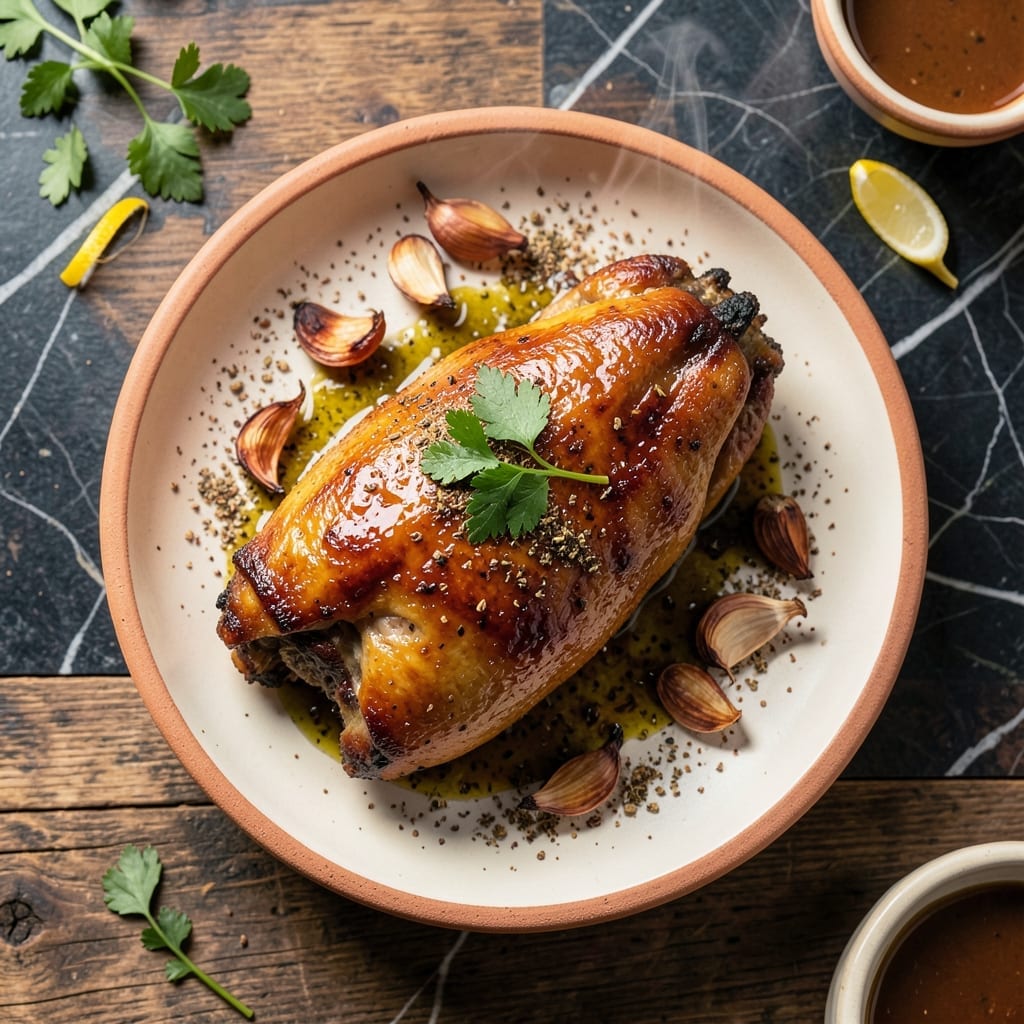
This traditional Andean dish represents centuries of Peruvian culinary heritage. I developed this preparation after studying authentic methods from Cusco, where cuy has been a protein staple since Inca times.
The secret lies in proper marination and careful roasting. A blend of garlic, cumin, and aji panca gives the meat its characteristic depth, while slow cooking ensures tender results. Traditional clay ovens are ideal, but a standard kitchen oven works well.
What emerges is a dish with crispy skin and succulent meat, served whole as a centerpiece. The aroma of roasted spices fills the kitchen, signaling a meal that’s both historically significant and deeply flavorful.
Serve with corn, potatoes, and a simple salad for an authentic Peruvian experience. This recipe honors tradition while adapting to modern kitchens.
Ingredients for Cuy Peru
Traditional Andean ingredients create this culturally significant dish with authentic Peruvian flavors and textures.
| Ingredient | Amount | Notes |
|---|---|---|
| Guinea Pig 🐹 | 2 whole | Fresh, cleaned, whole |
| Garlic Cloves 🧄 | 8 cloves | Peeled and minced |
| Ground Cumin 🌿 | 2 tbsp | Freshly ground preferred |
| Aji Panca Paste 🌶️ | 3 tbsp | Peruvian red chili paste |
| Olive Oil 🫒 | ½ cup | Extra-virgin preferred |
| White Vinegar 💧 | ¼ cup | For marinade acidity |
| Kosher Salt 🧂 | 1 ½ tbsp | Diamond Crystal preferred |
| Ground Black Pepper 🌶️ | 1 tsp | Freshly ground |
| Dried Oregano 🍃 | 1 tbsp | Mexican oregano if available |
| Yellow Corn 🌽 | 4 whole | Ears, for serving |
| Yukon Gold Potatoes 🥔 | 1 ½ lb | Peeled and boiled |
| Red Onion 🧅 | 1 whole | Thinly sliced for salad |
| Fresh Cilantro 🌿 | ½ cup | Chopped, for garnish |
| Lime 🍋 | 2 whole | Cut into wedges |
[recipe_ingredient_scaler]
The guinea pig must be sourced from a specialty butcher or Latin American market—this isn’t an ingredient you’ll find at standard grocery stores. Look for fresh, cleaned specimens with intact skin. In Cusco, they’re often raised specifically for culinary use. The aji panca paste is non-negotiable for authenticity; Peruvian grocery stores or online importers like Melissa’s carry it. Freshness matters most with the garlic and herbs.
No aji panca? Mild paprika plus a pinch of cayenne gets you in the ballpark, though the flavor profile won’t be identical. Regular cumin seeds can be toasted and ground if you don’t have pre-ground. For the vinegar, apple cider works but white vinegar maintains the traditional clarity. The potatoes can be any waxy variety—red or fingerlings hold up well to boiling.
Marinate the meat for 4-12 hours for optimal flavor penetration. Roasted cuy keeps in the fridge for 2-3 days but is best served immediately. Leftovers can be shredded for tacos or added to soups. The accompanying corn and potatoes should be prepared fresh. Always serve the dish whole as tradition demands.
Why You’ll Love This Recipe
- One Pan Wonder: I love how the guinea pig roasts with just olive oil, garlic, and cumin—minimal prep, maximum flavor.
- Smoky Depth: The aji panca paste gives it that rich, earthy Peruvian kick I can’t get enough of.
- Feeds a Crowd: Honestly, it’s my go-to for family gatherings—everyone’s impressed, and it’s filling.
- Budget Stretch: One cuy serves four, and the leftovers taste even better the next day.
Step-by-Step Instructions for Traditional Andean Guinea Pig
This authentic method delivers tender meat with the signature Peruvian flavors your guests will remember.
Step 1: Prepare the Marinade Base
In a large bowl, combine the 0.5 cup olive oil, 0.25 cup white vinegar, 8 cloves garlic cloves, 2 tbsp ground cumin, 3 tbsp aji panca paste, 1.5 tbsp kosher salt, 1 tsp ground black pepper, and 1 tbsp dried oregano. Whisk aggressively until the mixture emulsifies completely.
The aji panca paste should fully dissolve into the oil and vinegar, creating a thick, reddish marinade. This step ensures all spices distribute evenly across the meat. Let the marinade sit for 5 minutes to allow the flavors to meld before introducing the guinea pig.
Step 2: Marinate the Guinea Pig
Place the 2 whole guinea pig into the marinade, ensuring they are fully coated on all sides. I use my hands for this part to guarantee every crevice receives attention. Massage the marinade into the meat for 2-3 minutes until it adheres completely.
Cover the bowl with plastic wrap and refrigerate for at least 4 hours, preferably overnight. The longer marination time allows the acidity from the vinegar and the spices to penetrate deeply, tenderizing the meat while preserving its traditional Andean character.
Step 3: Roast the Guinea Pig
Preheat your oven to 375°F. Remove the guinea pig from the marinade, shaking off any excess, and place them on a wire rack set over a baking sheet. This elevation ensures even air circulation for consistent browning.
Roast for 1 hour to 1 hour 15 minutes, basting with the remaining marinade every 20 minutes. The skin should become deep golden brown and crispy, while the meat reaches an internal temperature of 165°F. The aroma will fill your kitchen with the unmistakable scent of cumin and aji panca.
Step 4: Prepare the Traditional Sides
While the guinea pig roasts, boil the 1.5 lb Yukon Gold potatoes until fork-tender, about 15-20 minutes. Drain and set aside. Thinly slice the 1 whole red onion and arrange on a serving platter with the 4 whole yellow corn.
Chop the 0.5 cup fresh cilantro and cut the 2 whole lime into wedges. These elements will accompany the guinea pig, providing freshness and acidity to balance the rich, spiced meat.
Step 5: Rest and Serve
Once the guinea pig reaches temperature, transfer it to a cutting board and let it rest for 10 minutes. This allows the juices to redistribute, ensuring the meat remains moist and flavorful when carved.
Serve the guinea pig whole or carved into portions, surrounded by the potatoes, corn, and red onion. Garnish generously with the chopped cilantro and lime wedges. The combination of textures and the bold marinade flavors will transport you straight to the Andean highlands.
Pro Tips For Making Cuy Peru
- Dry the Cuy First: Pat the guinea pig pieces completely dry with paper towels before seasoning—this guarantees a proper sear instead of steaming in its own moisture.
- Toast the Cumin: Lightly toast the ground cumin in a dry pan for 30 seconds until fragrant before adding to the marinade; raw cumin tastes harsh and bitter in this dish.
- Don’t Rush the Marinade: Let the cuy sit in the garlic, aji panca, and cumin marinade for at least 2 hours—I learned this the hard way when my first batch tasted bland from only 30 minutes.
- Use Hot Oil: Heat the olive oil until it shimmers before adding the cuy; this creates that crisp, golden crust Peruvian cuy is known for.
Serving Suggestions for This Dish
Traditional Plating
Serve the guinea pig whole as the centerpiece on a large platter, surrounded by the boiled Yukon Gold potatoes and whole yellow corn. This presentation honors Andean traditions where the dish is shared communally. The visual impact is stunning. 🌟
Fresh Accompaniments
Arrange the thinly sliced red onion around the platter and sprinkle the chopped fresh cilantro over the meat. The vibrant colors contrast beautifully with the golden-brown roasted skin. Place lime wedges on the side for guests to squeeze over their portions.
Serving Style
In Peru, cuy is often served family-style. I recommend placing the platter in the center of the table with small plates for guests to serve themselves. Provide a sharp knife for carving at the table—this interactive element enhances the dining experience.
Beverage Pairings
A crisp Peruvian lager like Cusqueña cuts through the richness perfectly. For non-alcoholic options, chicha morada (purple corn drink) complements the earthy flavors. The slight sweetness balances the spiced marinade. 🍺
Sauce Options
Offer a simple aji verde (Peruvian green sauce) on the side for dipping. Blend 1 cup cilantro, 2 jalapeños, ¼ cup mayo, and 2 tbsp lime juice for an authentic touch. This adds another layer of traditional flavor.
Leftovers Tip
If you have leftovers, shred the meat and use it in tacos or arepas. The flavors hold up well for 2-3 days in the fridge. Reheat gently in a skillet with a splash of water to maintain moisture.
Nutrition Facts
Frequently Asked Questions
Where can I find guinea pig for cooking?
Look at specialty butchers or Latin American markets, particularly those serving Peruvian communities. Online exotic meat suppliers may also carry it, but call ahead to confirm availability and freshness.
Can I substitute the aji panca paste?
Use a mix of mild paprika and a pinch of cayenne for heat. While not identical, this gets close to the traditional flavor profile. Authentic aji panca is worth seeking out for the best results.
How do I know when it’s fully cooked?
The skin should be deep golden brown and crispy, with an internal temperature of 165°F. The meat will pull away from the bones easily when properly done.

Trained in classic French technique but raised on slow-cooked ribs and spicy rubs, she blends culinary skill with smoke and soul.
- Recipe for Boneless Pork Chops in Cast Iron Skillet: Sear and Baste to Juicy Perfection - October 3, 2026
- Recipe for Boneless Cross Rib Roast: Slow-Roasted Beef with Herb Crust - October 3, 2026
- Hamburgers in Sauce Recipe Crock Pot: Slow-Cooked Savory Delight - October 3, 2026