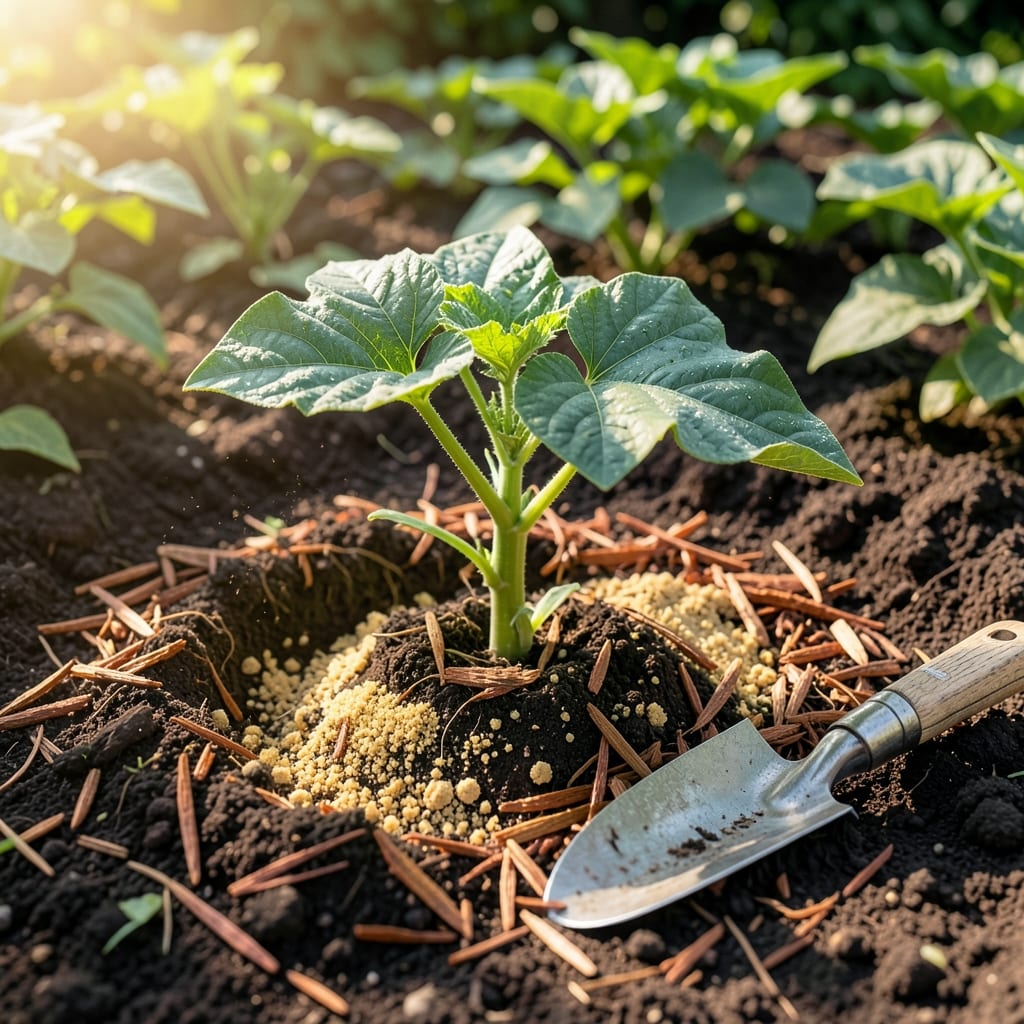
Dahlia ‘Alfred Grille’ delivers shockingly vibrant pink blooms that stop neighbors in their tracks. I’ve grown these for three seasons now, and they never fail to produce dinner-plate sized flowers from mid-summer until frost.
The secret is full sun and well-draining soil. With minimal effort, you’ll get stems strong enough to hold those massive blooms without staking, and the color stays rich even in intense July heat.
📚 In This Guide
- Ingredients for
- Instructions
- Regional Styles of Your dahlia alfred grille
- Tips and Common Mistakes
Ingredients for Dahlia Alfred Grille
Short list for stunning blooms. Most of this is already in your shed.
| Ingredient | Amount | Notes |
|---|---|---|
| Dahlia Alfred Grille Tubers 🌷 | 3 pieces | Healthy firm tubers |
| Well-Draining Soil 🌾 | 5 gallons | Loamy texture preferred |
| Compost 🌿 | 2 gallons | Aged organic matter |
| Garden Trowel ✂️ | 1 piece | Sturdy metal blade |
| Watering Can 💧 | 1 piece | With long spout |
| Mulch 🪵 | 3 gallons | Straw or wood chips |
| Stakes 🔧 | 3 pieces | 5-foot bamboo or metal |
| Garden Twine 🧶 | 1 piece | For securing stems |
| Balanced Fertilizer 🧪 | 1 lb | 10-10-10 NPK ratio |
| Pruning Shears ✂️ | 1 piece | Sharp clean blades |
[recipeingredientscaler]
The soil quality is non-negotiable here. Well-draining loamy soil prevents tuber rot—clay-heavy soil will kill your dahlias. I source mine from local nurseries because they often carry region-specific blends. Aged compost (the good stuff, not the bagged-up dirt from a sale) gives your tubers the best start.
No stakes? Tomato cages work in a pinch but may not support the heavy blooms as well. For fertilizer, slow-release granules are easier than liquid if you’re forgetful with schedules. Mulch can be grass clippings (or whatever you’ve got) as long as it’s not too dense.
Store leftover tubers in a cool, dry place over winter. Fertilizer keeps indefinitely if sealed. I label my stakes with the variety name so I remember what worked best next season.
Instructions
This method ensures robust growth and stunning blooms every time.
Prepare the Planting Site and Soil
Use the garden trowel to loosen the soil in a sunny location where the tubers will receive at least 6-8 hours of direct sunlight daily. Dahlias thrive in well-aerated conditions, so work the 5 gallons Well-Draining Soil into the top 12 inches of the planting area.
Mix in the 2 gallons Compost to enrich the soil with organic matter, which improves both drainage and nutrient availability. The soil should feel loose and crumbly—if it clumps tightly, you need more compost. This foundation prevents waterlogging, which is fatal to Dahlia tubers.
Plant the Tubers Correctly
Place each of the 3 pieces Dahlia Alfred Grille Tubers horizontally in the prepared soil, with the eye (the small bump where last year’s stem grew) facing upward. Plant them 4-6 inches deep and space them 18-24 inches apart to allow for mature growth.
Cover the tubers with soil and pat it down gently to remove air pockets, but avoid compacting it too firmly. Water immediately using the watering can until the soil is evenly moist but not soggy. Overwatering at this stage can cause the tubers to rot before they sprout.
Apply Mulch and Install Supports
Spread the 3 gallons Mulch evenly around the planted tubers, keeping it 2-3 inches away from the base of each tuber to prevent stem rot. The mulch helps retain moisture and suppresses weeds, which compete for nutrients.
Insert the 3 pieces Stakes into the ground near each tuber, positioning them about 6 inches from the planting site to avoid damaging the roots. Secure the stakes with the garden twine for future stem support, but leave slack for now—you’ll tie the stems as they grow.
Fertilize and Monitor Growth
Once the first shoots emerge (usually within 2-3 weeks), apply the 1 lb Balanced Fertilizer evenly across the soil, following the package instructions for the 10-10-10 NPK ratio. This ensures the plants receive consistent nutrients for healthy foliage and vibrant blooms.
Water deeply using the watering can every 3-4 days, or when the top 1 inch of soil feels dry to the touch. Dahlias are heavy feeders, so maintaining consistent moisture is key. Use the pruning shears to remove any damaged or yellowing leaves to redirect energy toward growth.
Regional Styles of dahlia alfred grille
From the Lone Star State to the Carolinas, the dahlia alfred grille takes on unique regional flair. Here’s how different areas put their spin on this floral favorite.
🌵 Texas Style
In Texas, bold flavors reign. Gardeners often pair dahlia alfred grille with native plants like salvia and blackfoot daisy, creating vibrant, drought-resistant borders. The hot, dry climate means these dahlias thrive with well-draining soil and morning sun. A touch of mulch helps retain moisture without overwatering.
🌿 Carolina Style
The Carolinas embrace a softer approach, blending dahlia alfred grille with lush, moisture-loving perennials like hostas and ferns. The humid subtropical climate calls for afternoon shade to prevent scorching. Gardeners here often use organic compost to enrich the soil, ensuring robust blooms.
🌽 Kansas City Style
In the Midwest, dahlia alfred grille is a summer staple. Gardeners opt for rich, loamy soil and stake tall varieties to protect them from strong winds. The moderate climate allows for long-growing seasons, and many pair dahlias with daylilies and coneflowers for a classic prairie look.
🎵 Memphis Style
Memphis gardeners love to mix dahlia alfred grille with southern charm. Here, the focus is on bold colors and layered textures, often combining dahlias with hibiscus and cannas. The warm, humid summers require consistent watering, but the payoff is a garden bursting with vibrancy and life.
Nutrition Facts

Trained in classic French technique but raised on slow-cooked ribs and spicy rubs, she blends culinary skill with smoke and soul.
- Recipe for Boneless Pork Chops in Cast Iron Skillet: Sear and Baste to Juicy Perfection - October 3, 2026
- Recipe for Boneless Cross Rib Roast: Slow-Roasted Beef with Herb Crust - October 3, 2026
- Hamburgers in Sauce Recipe Crock Pot: Slow-Cooked Savory Delight - October 3, 2026