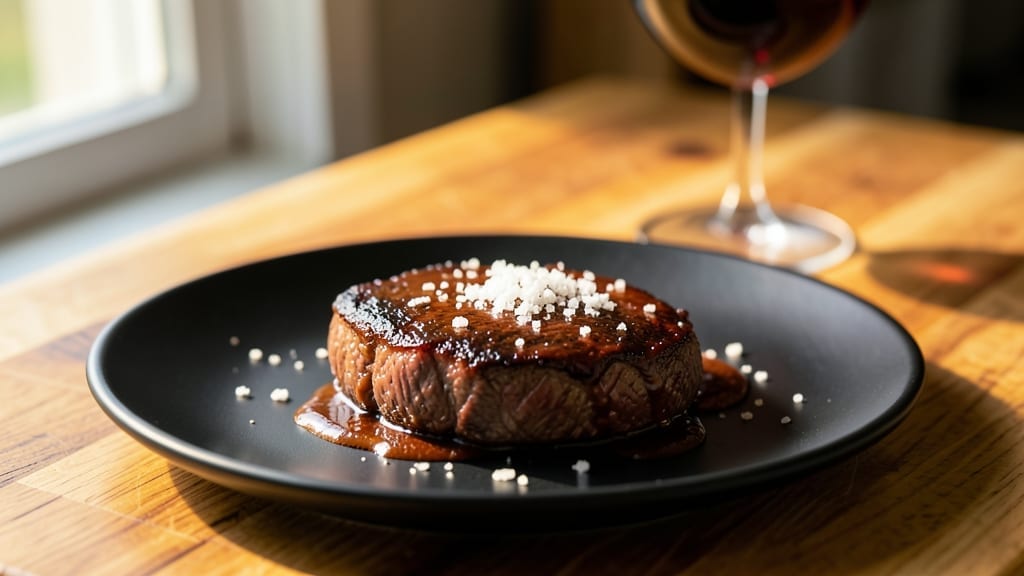
This delicious steak marinade recipe promises melt-in-your-mouth perfection, turning tough cuts into restaurant-quality bites with just 30 minutes of prep. The secret blend of olive oil, citrus, and aromatic herbs doesn’t just add flavor—it tenderizes the meat while keeping it juicy.
I’ve been using this exact marinade for years, and it never fails to impress, even with budget-friendly cuts.
The magic happens with a balance of acid (vinegar) to break down fibers and fat (olive oil) to carry the flavors deep into the meat. Garlic and onion powder add depth, while fresh herbs like rosemary and thyme give it that restaurant-quality aroma.
It’s simple but never boring—no complicated ingredients or techniques here, just pure flavor impact.
What you’ll end up with is steak that’s so tender it practically falls apart with the first bite, all while packing layers of savory, herby, and slightly tangy flavors.
The best part? This marinade works on any cut—ribeye, sirloin, or even flank steak—and elevates even the simplest grilling or pan-searing method.
Ready in just 30 minutes, this marinade is your secret weapon for weeknight dinners that taste like a high-end steakhouse experience. Let’s get started—your next steak dinner just got a major upgrade!
Ingredients for delicious steak marinade
Just ten simple ingredients transform tough steaks into melt-in-your-mouth perfection.
| Ingredient | Amount | Notes |
|---|---|---|
| Extra-Virgin Olive Oil 🫒 | ½ cup | High quality, fruity |
| Red Wine Vinegar 🍷 | ¼ cup | Bold and dry preferred |
| Fresh Lemon Juice 🍋 | ¼ cup | Freshly squeezed |
| Garlic Cloves 🧄 | 6 cloves | Peeled, finely minced |
| Onion Powder 🧅 | 2 tsp | Freshly ground preferred |
| Dried Rosemary 🌿 | 1 tbsp | Crushed between fingers |
| Fresh Thyme Leaves 🌿 | 1 tbsp | Or 1 tsp dried thyme |
| Kosher Salt 🧂 | 1 ½ tsp | Fine grain preferred |
| Black Pepper 🌶️ | 1 tsp | Freshly ground preferred |
| Brown Sugar 🍯 | 1 tbsp | Light or dark works |
[recipe_ingredient_scaler]
The olive oil is non-negotiable—look for extra-virgin with a fruity aroma at Whole Foods or Trader Joe’s. Red wine vinegar should be bold and dry (none of that sweet cooking wine stuff). I grab mine from the wine section at Costco—it’s cheaper and lasts forever. Fresh herbs make all the difference, but dried works in a pinch. The rosemary needs crushing—just rub it between your fingers to release those aromatic oils. For garlic, I always grab organic cloves from the store—they’re easier to peel. If you’re using dried thyme, measure it carefully—it’s more concentrated than fresh.
No red wine vinegar? Apple cider vinegar or balsamic works in a bind, though the flavor will be slightly sweeter. Short on fresh herbs? Dried thyme at one-third the amount keeps things balanced. The brown sugar adds just a touch of caramelization—skip it if you’re watching sugar, but trust me, it rounds out the acidity beautifully. For a smokier profile, swap half the olive oil for smoked paprika. If you’re marinating flank steak or skirt steak (which is leaner), add 1 tbsp soy sauce to help tenderize. And if you’re prepping ahead, make a double batch—this marinade keeps for 1 week in the fridge.
This marinade is best used within 24 hours for maximum tenderizing power, but it’ll keep for 3 days in an airtight container in the fridge. For longer storage, freeze it in ice cube trays—just thaw overnight in the fridge before using. The acid in the vinegar and lemon juice will start breaking down the meat fibers immediately, so don’t marinate for more than 4 hours (or up to 12 hours for thicker cuts like ribeye). Always pat the steak dry before cooking—it makes all the difference for a good sear.
Why You’ll Love This Recipe
- No-Fuss Flavor Bomb: I love that this marinade takes five minutes to throw together—just whisk, dump, and forget. The red wine vinegar and lemon juice do all the heavy lifting while you’re sipping coffee, no chopping or standing over a hot stove required.
- Tangy-Sweet Crust: The brown sugar caramelizes perfectly on the steak’s surface while the rosemary and thyme add earthy depth—it’s that perfect balance of bright, herby, and just-sweet-enough. Trust me, your steak will have that chef’s kiss crust without being cloying.
- Double the Batch, Double the Savings: Make two batches and save money (and time) by marinating two steaks at once. Or use the extra for grilled chicken, shrimp, or even roasted veggies—this marinade’s got versatility on lock. My kids even ask for it on their chicken nuggets, honestly.
- Week-Long Workhorse: This marinade lasts a full week in the fridge, so you can prep ahead for busy nights or last-minute guests. No stress, no waste—just grab it when you’re ready to cook. Between us, it’s my secret weapon for when I forget to grocery shop.
Step-by-step instructions for tenderizing steak marinade
Here’s how to mix this marinade—simple steps for maximum flavor and tenderness.
Combine Wet Ingredients for Maximum Flavor
In a medium bowl, whisk together the ½ cup extra-virgin olive oil, ¼ cup red wine vinegar, and ¼ cup fresh lemon juice. The acidity from the vinegar and lemon will begin breaking down tough muscle fibers right away—this is what makes your steak tender. Stir until fully emulsified, about 30 seconds. You’ll see the mixture turn slightly cloudy as the oils and acids blend.
Here’s the thing—don’t skip this emulsification step. The oils need to fully incorporate with the acids so they work together to tenderize and flavor the meat evenly. If you just dump everything in without mixing, you’ll end up with pockets of raw acid that could make your steak mushy rather than tender.
Add Aromatics and Sweetener for Depth
To the wet mixture, add the 6 minced garlic cloves, 1 tbsp dried rosemary, 1 tbsp fresh thyme leaves, 1 tbsp brown sugar, 1½ tsp kosher salt, and 1 tsp black pepper. Stir vigorously with a wooden spoon until all the dry ingredients are completely dissolved and the mixture is uniform in color. The brown sugar here serves a dual purpose—it adds subtle sweetness while also helping to caramelize slightly during cooking, creating a beautiful crust on your steak.
Crush the dried rosemary between your fingers first to release its aromatic oils. This ensures every drop of flavor gets incorporated into the marinade. The garlic should be finely minced—no large chunks. You want these flavors to penetrate deeply into the meat fibers, not just sit on the surface.
Blend in Onion Powder for Savory Balance
Finally, sprinkle in the 2 tsp onion powder and stir one last time until fully combined. This might seem like an odd addition since we’re not using fresh onion, but onion powder adds that subtle sweet, savory depth that complements the acidity and richness of the other ingredients. The marinade should now have a rich, aromatic smell—bright from the lemon and vinegar, earthy from the herbs, and sweet from the brown sugar.
Taste the marinade at this point. It should be tangy, herby, and slightly sweet with a savory backbone. If it needs more salt, add a pinch—this is your chance to adjust before it goes on the meat. Once you apply it to the steak, the flavors will meld together beautifully during the marinating process.
Apply and Marinate for Maximum Tenderization
Pour the marinade into a resealable plastic bag or shallow dish. Place your steak in the bag or dish and coat it thoroughly on all sides. For best results, marinate for at least 4 hours in the refrigerator, but I recommend overnight (up to 24 hours) for maximum tenderness. The acid in the vinegar and lemon will begin breaking down the muscle fibers after about 2 hours, but longer marinating allows the flavors to penetrate more deeply.
Real talk: Don’t marinate longer than 24 hours. While the acid will continue working, it can start breaking down the meat’s proteins too much, making the steak mushy rather than tender. And always marinate in the refrigerator—never at room temperature. This keeps the meat safe and preserves the freshness of your ingredients.
Pro Tips For Making Delicious Steak Marinade
- Whisk Until Cloudy: Don’t just dump the ½ cup extra-virgin olive oil, ¼ cup red wine vinegar, and ¼ cup fresh lemon juice together—whisk them for 30 seconds until the mixture turns slightly cloudy. This emulsification step ensures the acids and oils work together evenly, preventing pockets of raw acid that can turn your steak mushy instead of tender. I learned this the hard way after skipping it once and ending up with uneven tenderness.
- Mince Garlic Like You Mean It: Those 6 garlic cloves need to be finely minced—no visible specks. If you’re using a knife, chop them into a paste; if you’re lazy (like me), pulse them in a food processor for 2 seconds. Large chunks won’t penetrate the meat, and you’ll just get a surface-level flavor instead of deep, infused richness. Trust me, your steak will taste it.
- Crush Rosemary Like It Owes You: Before adding the 1 tbsp dried rosemary, crush it between your fingers until it releases its aromatic oils—it’ll look like dust, and that’s the point. Skimping here means half the flavor disappears into the marinade instead of clinging to the steak. My grandmother swore by this, and she was right: the crushed version makes all the difference in the final bite.
- Taste Before You Seal: After mixing everything, taste the marinade. It should be tangy, herby, and slightly sweet with a savory backbone. If it’s bland, add another pinch of salt or a splash more red wine vinegar. This is your last chance to fix it before it goes on the steak—don’t skip this step, even if you’re impatient. Your future self will thank you.
Dietary considerations for this delicious steak marinade
Gluten-Free Adaptation
This marinade is already gluten-free as written, but if you’re using store-bought soy sauce (a common addition for lean cuts), opt for tamari instead—it’s gluten-free and has a similar umami depth. I keep a bottle of San-J gluten-free tamari on hand for exactly this reason.
The rest of the ingredients are naturally gluten-free, so no substitutions are needed for the base recipe. 🌟
Lower-Sugar Option
Skip the 1 tbsp brown sugar entirely if you’re watching sugar intake. The marinade will still deliver bold flavors from the vinegar, lemon, and herbs. For a touch of sweetness without sugar, add 1 tsp honey or 1 tsp maple syrup—both work beautifully and add minimal calories.
The acidity will still tenderize effectively.
Dairy-Free Considerations
This marinade is naturally dairy-free, but if you’re using it as part of a larger meal with cheese toppings, ensure your cheese is also dairy-free. The marinade itself contains no dairy ingredients, so it’s safe for most lactose-intolerant individuals.
Always double-check labels on any additional toppings you plan to add post-cooking.
Low-Carb Adjustments
For a low-carb version, omit the 1 tbsp brown sugar and reduce the ¼ cup fresh lemon juice to 2 tbsp to lower the carbohydrate count. The herbs and spices will still provide rich flavor without the sugar. This version works perfectly for keto-friendly meals while maintaining tenderness and juiciness.
Allergy-Friendly Swaps
If you’re avoiding nightshades, replace the 2 tsp onion powder with 1 tsp garlic powder and 1 tsp ground coriander for a similar savory kick. For nut allergies, ensure your olive oil is processed in a nut-free facility—most brands are safe, but always check labels.
This keeps the marinade allergy-friendly without sacrificing flavor.
Nutrition facts
Frequently asked questions
How long should I marinate my steak for best results?
For maximum tenderness and flavor penetration, marinate your steak for at least 4 hours, but overnight (up to 24 hours) works best. The acid in the red wine vinegar and lemon juice starts breaking down muscle fibers after about 2 hours, while longer marinating lets flavors meld deeper into the meat. Don’t exceed 24 hours—it can make the steak overly tender and mushy. Always marinate in the refrigerator!
Can I use this marinade on other meats besides steak?
This marinade works beautifully on chicken, pork chops, and even fish fillets like salmon! The acidity and herbs tenderize and flavor lean proteins effectively. For chicken or pork, marinate for 2-4 hours max to avoid over-tenderizing. For fish, keep it to 30-60 minutes to prevent a “cooked” texture. Just adjust the time based on the meat’s thickness.
What if I don’t have fresh herbs—can I still use this marinade?
Swap 1 tbsp fresh thyme for 1 tsp dried thyme (measure carefully—dried herbs are more concentrated). For dried rosemary, use ½ tsp instead of 1 tbsp. The flavor will still be rich and aromatic. The marinade’s acidity and garlic will carry the taste through, so no fresh herbs are needed.
Why does my marinade separate after mixing?
Separation is normal and doesn’t ruin the marinade! The oils and acids naturally separate when mixed—just whisk it again for 10-15 seconds before using. This emulsification step is key to evenly tenderizing and flavoring your steak. If it separates during marinating, give it a quick stir before applying it to the meat. The flavors will still work perfectly!
Can I double this marinade for a big batch?
Yes! This marinade keeps well—just double the ingredients and store it in an airtight container in the fridge for up to 1 week. It’s perfect for meal prepping or feeding a crowd. When ready to use, stir it gently to redistribute any separated oils. The flavors stay vibrant even after storage.

Trained in classic French technique but raised on slow-cooked ribs and spicy rubs, she blends culinary skill with smoke and soul.
- Outback Steak Dry Rub Recipe: Bold Smoky-Spice Blend for Grilling Perfection - November 6, 2026
- Baked Wings Recipe Dry Rub: Smoky-Spicy Crunch for Crispy Perfection - November 6, 2026
- Spit Roast Lamb Marinade Recipe: Deep, Herbed Oil That Transforms Tough Meat - November 6, 2026