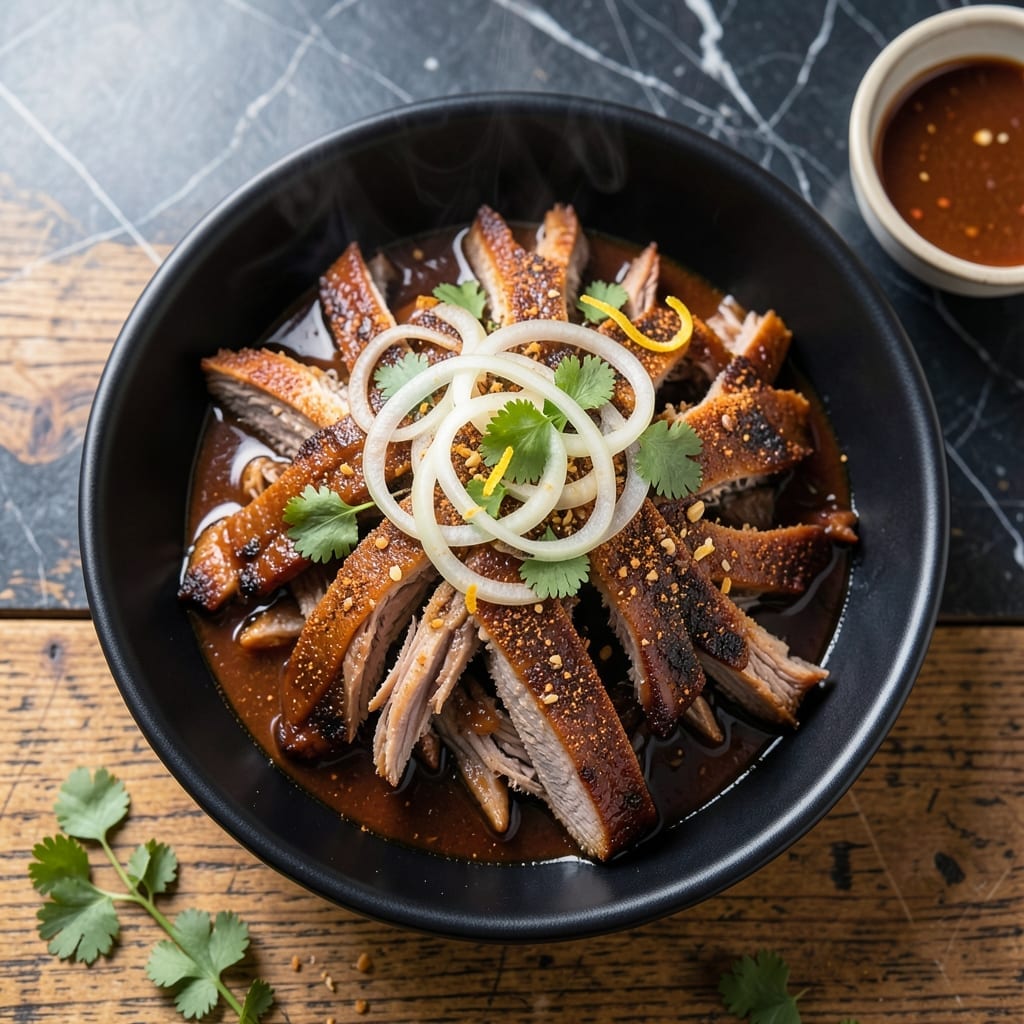
There’s nothing like the deep, smoky aroma of slow-cooked pulled pork to bring Carolina tradition to your table. This method captures that authentic pit-smoked flavor without the guesswork.
With a simple rub and low-and-slow cooking, the pork becomes tender enough to pull apart with forks. The result is juicy, flavorful meat ready for sandwiches or plates with classic sides.
Ingredients for Dickies Bbq Pulled Pork
Slow-cooked pork shoulder with a bold dry rub meets tangy Carolina sauce for authentic pit flavor.
| Ingredient | Amount | Notes |
|---|---|---|
| Pork Shoulder 🥩 | 4 lb | Bone-in, skin-on preferred |
| Brown Sugar 🍚 | ½ cup | Light or dark variety |
| Paprika 🌶️ | 2 tbsp | Sweet or smoked variety |
| Garlic Powder 🧄 | 1 tbsp | Freshly ground preferred |
| Onion Powder 🧅 | 1 tbsp | Fine powder texture |
| Salt 🧂 | 1 tbsp | Kosher or sea salt |
| Black Pepper 🌶️ | 2 tsp | Freshly ground for best flavor |
| Chili Powder 🌶️ | 1 tbsp | Mild or hot variety |
| Cumin 🌿 | 1 tsp | Ground cumin seeds |
| Apple Cider Vinegar 🍏 | ½ cup | For tangy acidity |
| BBQ Sauce 🍯 | 2 cups | Carolina-style preferred |
| Mustard 🟡 | 2 tbsp | Yellow or Dijon variety |
| Worcestershire Sauce 🫒 | 1 tbsp | Adds umami depth |
| Hamburger Buns 🍞 | 8 whole | For serving sandwiches |
[recipe_ingredient_scaler]
The pork shoulder is non-negotiable for authentic texture. Bone-in, skin-on yields the juiciest results, and Costco or Sam’s Club offer the best value for larger cuts. Look for good marbling—this fat renders down during cooking, keeping the meat moist. The brown sugar in the rub caramelizes beautifully, creating that signature bark on the outside.
No pork shoulder? Pork butt works as a direct substitute (it’s essentially the same cut). If you’re avoiding sugar, coconut sugar can replace the brown sugar at a 1:1 ratio. Out of apple cider vinegar? White vinegar with a teaspoon of sugar mimics the tang. For the BBQ sauce, Dickie’s original is ideal, but any vinegar-based Carolina sauce will deliver the right flavor profile.
Leftovers keep 4-5 days in the fridge, or freeze for 3 months. The pork actually improves overnight as the flavors meld. Reheat gently in a saucepan with a splash of water or BBQ sauce to maintain moisture.
Why You’ll Love This Recipe
- Set It and Forget It: I toss the pork shoulder with the brown sugar and spices, then let the slow cooker do the work all day.
- Smoky Sweet Magic: Honestly, the paprika and brown sugar create this deep, caramelized bark that’s ridicously good.
- Feeds a Hungry Crowd: Between us, it’s my go-to for parties—everyone gets seconds and there’s still enough for sandwiches tomorrow.
- Budget Winner: Pork shoulder is cheap, stretches forever, and I’ll be real: it tastes like a million bucks with this dry rub.
Step-by-Step Instructions for Pulled Pork
This method delivers tender, smoky meat with the perfect balance of sweet and tangy flavors.
Step 1: Create and Apply the Dry Rub
In a small bowl, I combine the 0.5 cup brown sugar, 2 tbsp paprika, 1 tbsp garlic powder, 1 tbsp onion powder, 1 tbsp salt, 2 tsp black pepper, 1 tbsp chili powder, and 1 tsp cumin. The sugar caramelizes during cooking, creating that signature bark.
Pat the 4 lb pork shoulder dry with paper towels, then massage the rub mixture into every surface, pressing it into the crevices. I let it sit for 30 minutes at room temperature to allow the spices to penetrate the meat before cooking.
Step 2: Slow Cook the Pork Shoulder
Place the seasoned pork in a slow cooker or smoker set to 225-250°F. For slow cooker, add 0.5 cup apple cider vinegar to the bottom for moisture. The low temperature breaks down the collagen over 8-10 hours until the meat is fall-apart tender.
I check for doneness when the internal temperature reaches 195-205°F and a fork twists easily in the meat. At this point, the connective tissue has melted into gelatin, ensuring that perfect pulled pork texture we’re after.
Step 3: Shred and Mix with Sauce
Once cooked, transfer the pork to a large bowl and use two forks to shred it into bite-sized pieces. Discard any large fat chunks, but leave some for flavor. I pour in 2 cups BBQ sauce, 2 tbsp mustard, and 1 tbsp Worcestershire sauce to create the signature Carolina-style sauce.
Gently fold everything together until the meat is evenly coated. The acidity from the vinegar and the depth from the Worcestershire balance the sweetness of the sauce perfectly. Let it rest for 15 minutes to allow the flavors to meld.
Step 4: Serve on Hamburger Buns
Pile the pulled pork mixture onto the 8 whole hamburger buns. I like to toast the buns lightly first to prevent them from becoming soggy. The contrast between the soft meat and the slightly crisp bun edges makes each bite satisfying.
For authentic presentation, I serve the sandwiches immediately while the meat is still warm, with extra sauce on the side for those who want to add more. The yield of 4 servings makes this perfect for a family meal or small gathering.
Pro Tips For Making Dickies Bbq Pulled Pork
- Low and Slow: Cook the pork shoulder at 225°F for at least 8 hours—any higher and the meat turns tough instead of fall-apart tender. I learned this the hard way after my first three attempts came out dry.
- Rub It Right: Press the brown sugar, paprika, garlic powder, and onion powder mix hard into the pork so it forms a crust—this keeps the spices from washing off during cooking.
- Skip the Rush: Resist the urge to pull the pork early just because it looks done. It needs to hit 195-200°F internally to shred easily without a knife.
- Rest Before Shredding: Let the pork rest wrapped in foil for 30 minutes after cooking. This keeps all the juices inside instead of spilling out when you pull it apart.
Regional Styles of This dickies bbq pulled pork
Carolina Vinegar-Based
In the Carolinas, they keep it tangy with a vinegar-based sauce that cuts through the rich pork. I use apple cider vinegar as the base, mixed with red pepper flakes and a touch of brown sugar for balance. This style is all about that sharp, bright flavor that makes your taste buds dance. 🌶️
Texas Sweet Heat
Down in Texas, they prefer a sweeter profile with a tomato-based sauce loaded with molasses and chili powder. I love adding a dash of liquid smoke to mimic that deep pit flavor. The sweetness pairs perfectly with the smoky pork.
Memphis Dry Rub
Memphis is famous for its dry rub approach—no sauce needed. I focus on a bold mix of paprika, garlic powder, and cayenne for a spicy kick. The rub forms a beautiful crust on the outside of the pork as it slow-cooks.
Kansas City Classic
This style brings the best of both worlds with a thick, sweet tomato and molasses-based sauce. I like to add a hint of Dijon mustard for depth. The sauce is so rich and sticky that it clings to every strand of pulled pork.
Alabama White Sauce
For something completely different, try Alabama’s signature white sauce. I blend mayonnaise, apple cider vinegar, and horseradish for a creamy, tangy twist. It’s unexpected but absolutely delicious with smoked pork. ✨
Competition Style
At local BBQ competitions, I’ve seen teams inject their pork with a mix of apple juice and spices before cooking. This keeps the meat incredibly juicy. The final touch is often a sprinkle of finishing rub just before serving for extra flavor.
Nutrition Facts

Trained in classic French technique but raised on slow-cooked ribs and spicy rubs, she blends culinary skill with smoke and soul.
- Recipe for Boneless Pork Chops in Cast Iron Skillet: Sear and Baste to Juicy Perfection - October 3, 2026
- Recipe for Boneless Cross Rib Roast: Slow-Roasted Beef with Herb Crust - October 3, 2026
- Hamburgers in Sauce Recipe Crock Pot: Slow-Cooked Savory Delight - October 3, 2026