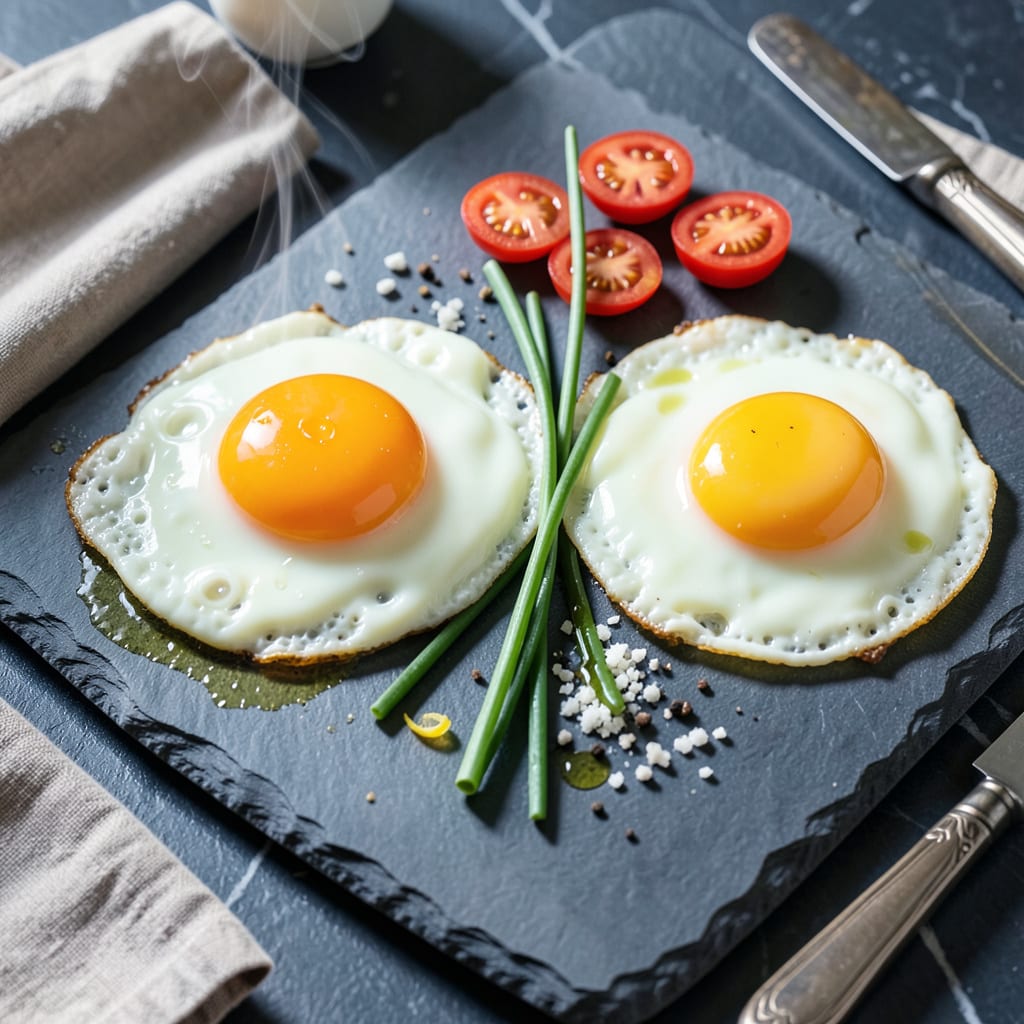
Fresh eggs often have a richer, creamier flavor with firmer yolks and thicker whites compared to store-bought eggs. The taste difference comes from diet, freshness, and processing methods, with farm-fresh eggs typically offering a more robust, buttery profile.
I’ve noticed the flavor gap becomes obvious when you crack open a backyard egg versus a grocery store carton. The yolk’s deeper orange hue isn’t just visual—it signals higher carotenoid levels from grass and bugs in the hens’ diet, which translates to a more complex taste. 🔥 Even in simple dishes like scrambled eggs, you’ll detect subtle earthy notes that commercial eggs lack. What’s fascinating is how the protein structure changes too: fresher whites hold their shape better when poached, creating that perfect restaurant-style presentation.
💡 In This Article
- Why Fresh Eggs Have a Distinct Flavor Profile
- How to Taste-Test Fresh vs Store-Bought Eggs at Home
Why Fresh Eggs Have a Distinct Flavor Profile
The flavor gap starts with what hens eat. Pasture-raised chickens foraging on grass, insects, and seeds produce eggs with 3-5 times more omega-3s and 40% more vitamin E than grain-fed counterparts. These nutrients translate directly to taste: the yolks develop a deeper, almost nutty richness from the diverse carotenoids in greens and bugs.
🌱 Commercial feed, while consistent, lacks this complexity—think of it like the difference between garden tomatoes and grocery store ones.
Freshness dramatically alters texture and mouthfeel. Unwashed farm eggs retain their natural bloom (cuticle), a protective layer that seals in moisture and carbon dioxide. This keeps whites thicker and yolks more cohesive for 2-3 weeks longer than washed store eggs.
The protein structure stays tighter, so when you fry an egg, the white won’t spread thin like water—it holds a satisfying, custardy height. Store eggs, washed and refrigerated, lose 15-20% of their CO₂ within days, making whites runnier.
Oxidation is the silent flavor thief. As eggs age, sulfur compounds in the white break down, releasing that familiar “eggy” smell we associate with grocery store cartons.
Fresh eggs have minimal sulfur release, so their aroma stays clean and buttery. 🥄 The yolk’s fat also begins oxidizing after 2-3 weeks, turning its flavor from vibrant to flat. This is why bakery chefs prefer older eggs—they whip up taller meringues—but for eating straight up, freshness wins every time.
Cooking reveals the differences starkly. Scrambled fresh eggs stay creamy at 160°F while store eggs turn rubbery at the same temp. Poached fresh eggs hold their shape like a chef’s dream, while older whites disperse into wispy clouds.
Even the color tells a story: a pasture-raised yolk’s deep orange comes from lutein and zeaxanthin, antioxidants that also contribute to that “sunshine on your tongue” brightness missing in pale commercial yolks.
Here’s what most people miss: the shell’s porosity changes with age. Fresh eggs have 17,000 tiny pores that gradually enlarge, letting more air in and moisture out. This affects how eggs absorb flavors when cooked in dishes. A fresh egg in a custard will taste more pronounced because its proteins haven’t started degrading.
✨ The takeaway? For eating plain, fresher is always better. For baking, slightly older eggs might perform differently—but that’s a tradeoff worth understanding.

Trained in classic French technique but raised on slow-cooked ribs and spicy rubs, she blends culinary skill with smoke and soul.
- Recipe for Boneless Pork Chops in Cast Iron Skillet: Sear and Baste to Juicy Perfection - October 3, 2026
- Recipe for Boneless Cross Rib Roast: Slow-Roasted Beef with Herb Crust - October 3, 2026
- Hamburgers in Sauce Recipe Crock Pot: Slow-Cooked Savory Delight - October 3, 2026