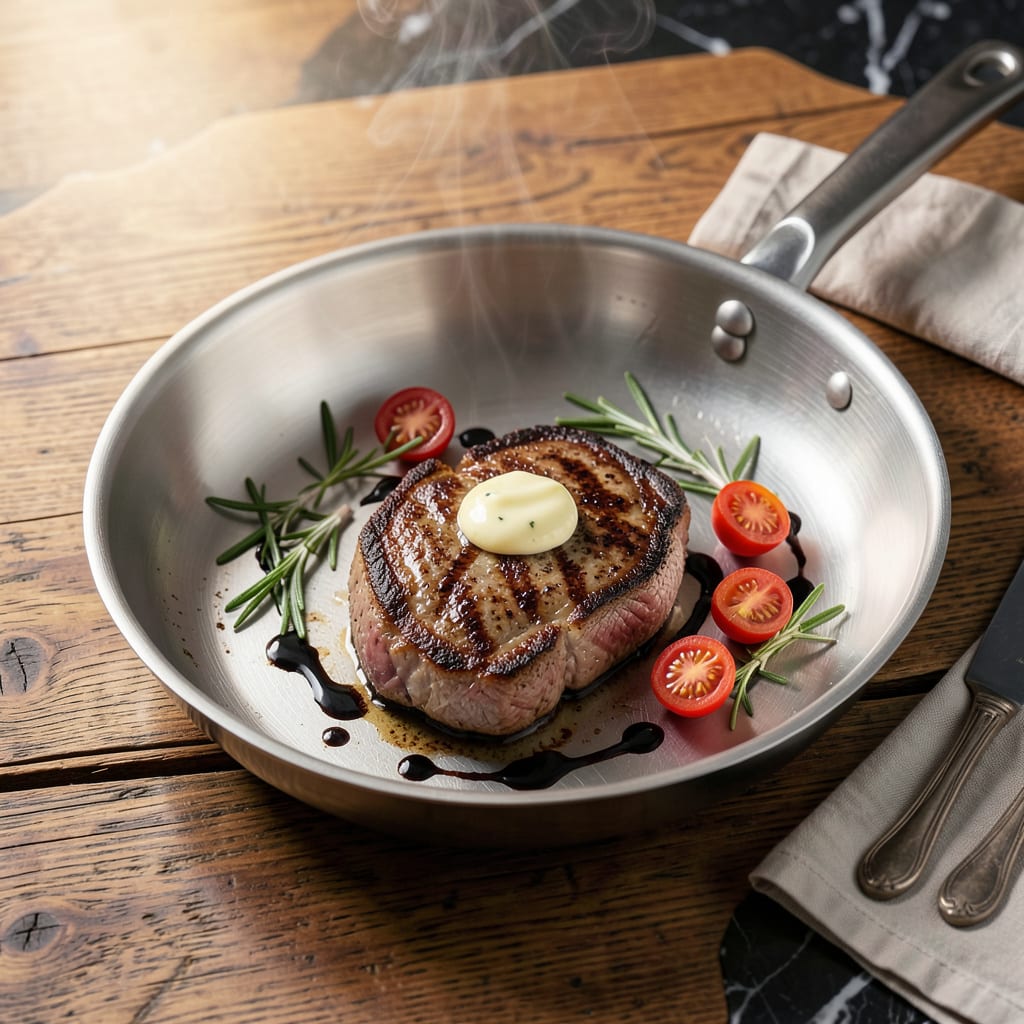
Stainless steel pans can develop surface rust if exposed to moisture, salt, or acidic foods for prolonged periods. High-quality pans resist corrosion better due to their chromium content, but improper care can still cause discoloration or light rust spots.
I’ve seen this happen often in busy kitchens where pans get stacked while still damp. 🔥 The chromium in quality stainless steel creates a protective layer, but that shield weakens when exposed to saltwater or tomato-based sauces for hours. Even small scratches from metal utensils can create entry points for oxidation. What most people don’t realize is that regular maintenance—like thorough drying and occasional polishing—can extend your pan’s lifespan significantly.
💡 In This Article
- Why Stainless Steel Pans Develop Rust Over Time
- How to Prevent and Remove Rust from Stainless Steel Cookware
Why Stainless Steel Pans Develop Rust Over Time
The secret lies in the chromium content—quality stainless steel contains at least 10.5% chromium, which reacts with oxygen to form a microscopic, invisible layer of chromium oxide. This protective shield is what makes stainless steel “stainless,” but it’s not invincible.
When exposed to saltwater, acidic ingredients (like tomato sauce or vinegar), or prolonged moisture, this layer can break down. The chromium oxide gets stripped away, leaving the underlying iron vulnerable to oxidation—what we see as rust.
Here’s where the grade matters: 18/10 stainless steel (18% chromium, 10% nickel) resists corrosion far better than 304-grade (18% chromium, 8% nickel). I’ve seen restaurant-grade pans last decades while cheaper versions develop pitting within months. Salt is particularly aggressive—it accelerates electrochemical reactions that dissolve the protective layer.
🔥 Even leaving a pan wet in the sink overnight can trigger surface rust, especially in humid climates.
Cooking techniques play a role too. Simmering acidic foods for hours (like marinara sauce) creates a perfect storm: heat + acidity + time. The acid eats away at the chromium oxide while heat speeds up the reaction. I once ruined a beautiful All-Clad pan by letting balsamic reduction sit in it overnight.
The vinegar’s acetic acid literally etched microscopic pits into the surface, giving rust a foothold.
Physical damage matters more than most realize. Those tiny scratches from metal utensils or steel wool aren’t just cosmetic—they create micro-cracks in the chromium oxide layer. Moisture seeps into these imperfections, starting the rusting process from within.
High-end manufacturers often polish their pans to a mirror finish because smoother surfaces have fewer places for corrosion to begin.
The environment makes a surprising difference. Coastal kitchens battle rust faster due to salt air, while dry climates are more forgiving. I learned this the hard way when my beach house pans developed rust spots in weeks, while identical pans in my city apartment stayed pristine for years.
💫 Even your dishwasher can be a culprit—the combination of heat, moisture, and detergent chemicals creates ideal rusting conditions.
What most people miss is that rust often starts invisibly. Before you see orange spots, the metal is already undergoing electrochemical changes. The first signs are usually dull patches where the chromium oxide has thinned.
Professional chefs check their pans regularly with a flashlight at sharp angles to catch these early warning signs before they become permanent stains.

Trained in classic French technique but raised on slow-cooked ribs and spicy rubs, she blends culinary skill with smoke and soul.
- Recipe for Boneless Pork Chops in Cast Iron Skillet: Sear and Baste to Juicy Perfection - October 3, 2026
- Recipe for Boneless Cross Rib Roast: Slow-Roasted Beef with Herb Crust - October 3, 2026
- Hamburgers in Sauce Recipe Crock Pot: Slow-Cooked Savory Delight - October 3, 2026