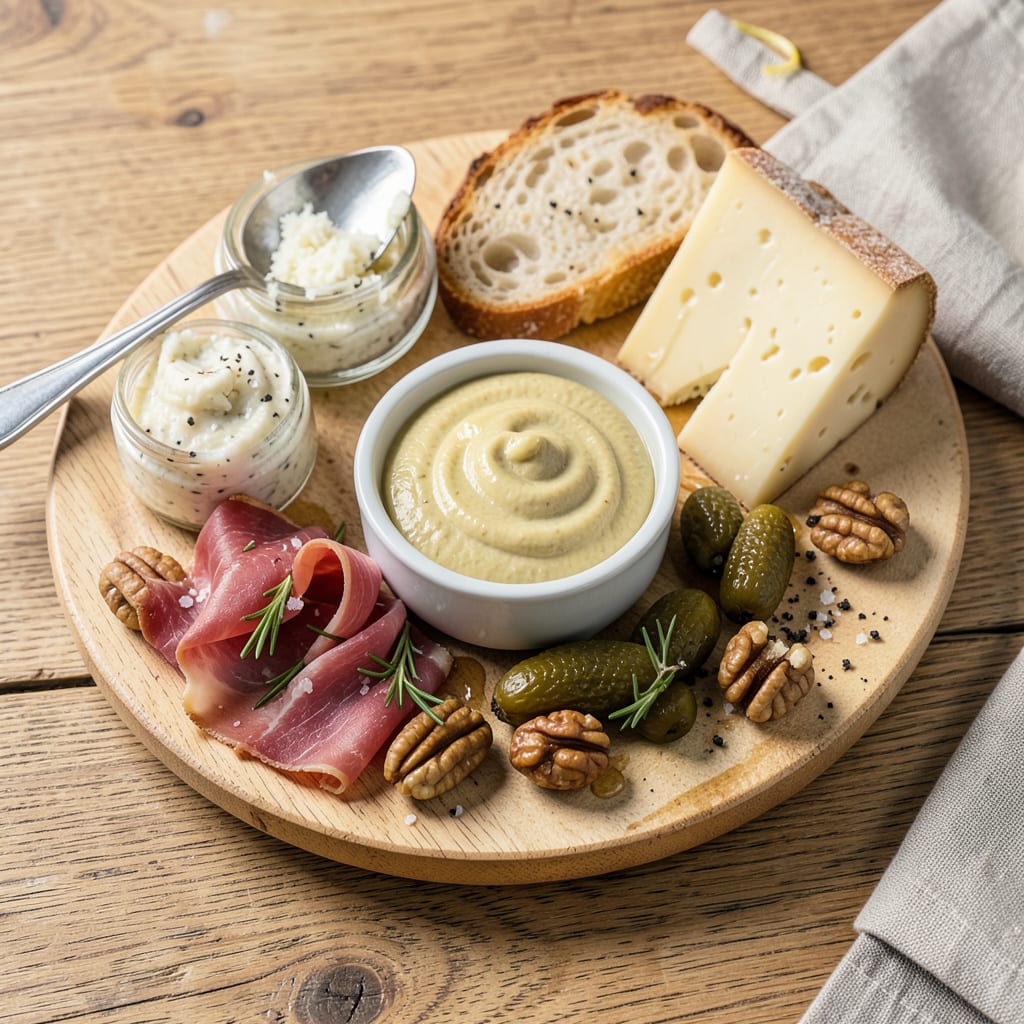
Traditional Dijon mustard does not contain horseradish—it’s made from brown or black mustard seeds, white wine or vinegar, and spices. The sharp, tangy flavor comes from the mustard seeds themselves, not horseradish.
This classic French condiment gets its signature bite from the specific mustard seeds used—particularly the brown mustard seeds, which pack more heat than their yellow counterparts. 🔥 The fermentation process with white wine or vinegar deepens the complexity, creating that bold, almost peppery kick people love. It’s a completely different flavor profile than horseradish, which delivers a sinus-clearing sharpness rather than Dijon’s layered tanginess.
What’s fascinating is how Dijon’s flavor develops over time—the longer it ages, the more nuanced it becomes. I’ve found that authentic versions made with white wine tend to have a brighter acidity, while those using vinegar lean slightly sharper. This makes Dijon incredibly versatile, whether you’re emulsifying dressings or glaze-roasting meats.
💡 In This Article
- What Gives Dijon Mustard Its Spicy, Tangy Flavor?
- Horseradish Mustard vs. Dijon: Key Differences and Substitutes
What Gives Dijon Mustard Its Spicy, Tangy Flavor?
The secret lies in the brown mustard seeds—they contain higher levels of sinigrin, a compound that converts to allyl isothiocyanate when crushed, creating that signature sharpness. Unlike yellow mustard seeds, brown seeds pack nearly 3x the heat potential, which is why Dijon delivers such a bold punch.
The fermentation process with white wine or vinegar (typically 6-8 weeks) breaks down these compounds further, intensifying the flavor while mellowing the raw harshness.
What most people don’t realize is that authentic Dijon mustard uses verjuice (unripe grape juice) or white wine as the liquid base, not just vinegar. This adds a fruity acidity that balances the heat—think of it like how a squeeze of lemon brightens a spicy dish.
🔥 The seeds are also ground finer than in whole-grain mustards, creating a smooth texture that lets the flavors explode on your tongue rather than getting lost in crunchy bits.
The aging process is where the magic happens. During fermentation, enzymes continue breaking down the seed compounds, developing deeper, more complex flavors. I’ve noticed that mustards aged in oak barrels (like some artisanal versions) pick up subtle vanilla notes, while stainless steel tanks preserve the bright, clean heat.
This is why store-bought Dijon can taste flat compared to small-batch varieties—the industrial process often skips proper aging.
Compare this to horseradish, which gets its heat from sinigrin in the root (same compound family, different plant). When grated, horseradish releases volatile oils that hit your sinuses directly—it’s a sharp, clean burn that dissipates quickly. Dijon’s heat, meanwhile, builds gradually and lingers with that wine-infused tang.
The two couldn’t be more different in how they deliver spice.
Here’s a fun test: Rub a bit of Dijon on your tongue and note how the heat spreads evenly, then try fresh horseradish. The horseradish will feel like it’s shooting straight up into your nasal passages!
✨ This fundamental difference explains why they’re used so differently in cooking—Dijon for depth and emulsion, horseradish for immediate, punchy heat.
For home cooks, this means Dijon excels in emulsified sauces (like vinaigrettes) where its complex acidity shines, while horseradish dominates in quick applications like bloody marys or prime rib sauces where you want that instant kick. The seed’s fine grind also makes Dijon ideal for marinades, as it clings beautifully to proteins without overpowering them.
The next time you taste Dijon, pay attention to that initial sharpness followed by the wine’s fruity finish—it’s like a flavor rollercoaster in one tiny spoonful. 💫 That’s the mark of properly fermented mustard seeds doing their delicious work.

Trained in classic French technique but raised on slow-cooked ribs and spicy rubs, she blends culinary skill with smoke and soul.
- Recipe for Boneless Pork Chops in Cast Iron Skillet: Sear and Baste to Juicy Perfection - October 3, 2026
- Recipe for Boneless Cross Rib Roast: Slow-Roasted Beef with Herb Crust - October 3, 2026
- Hamburgers in Sauce Recipe Crock Pot: Slow-Cooked Savory Delight - October 3, 2026