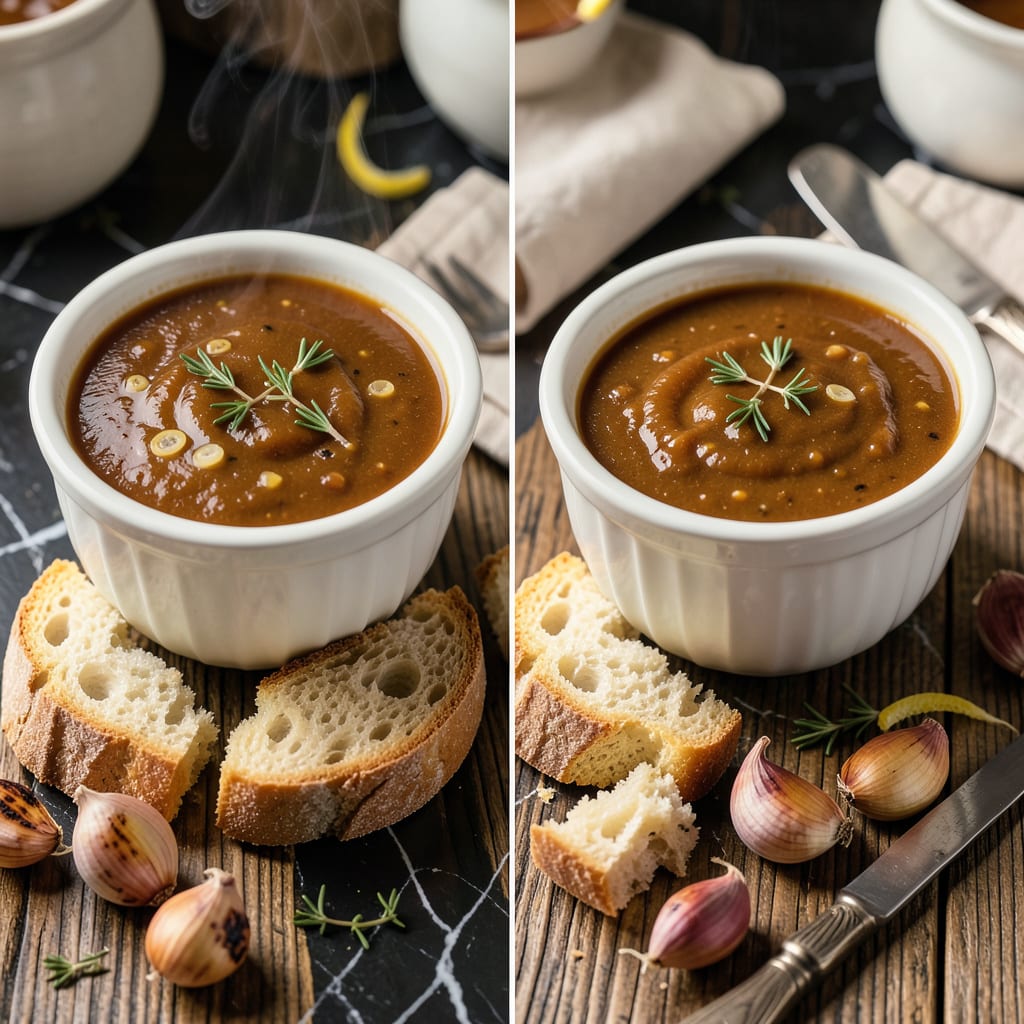
Gravy freezes well for 2-3 months with minimal texture changes if stored properly in airtight containers. Thick or dairy-based gravies may separate slightly but can be restored by reheating with gentle stirring.
As a chef who relies on make-ahead solutions, I’ve found that freezing gravy is a game-changer for busy kitchens. The key lies in the fat-to-liquid ratio—thinner gravies maintain their consistency better than creamy versions. 🔥 When you thaw it, a quick whisk over low heat with a splash of broth usually brings it back to life. What surprises most people is how well the flavors actually deepen during freezing, almost like a slow infusion process.
I always recommend using glass containers or heavy-duty freezer bags to prevent freezer burn. The real magic happens when you portion it into 1-cup servings—this way you only thaw what you need, avoiding that frustrating cycle of refreezing. ✨
💡 In This Article
- How Freezing Affects Gravy Texture and Flavor
- Best Containers and Reheating Methods for Frozen Gravy
How Freezing Affects Gravy Texture and Flavor
When gravy hits sub-zero temperatures, the water content crystallizes while fats solidify at different rates. This creates microscopic separation between ingredients—especially in dairy-based gravies where butter or cream can form distinct layers.
The starch molecules (from flour or cornstarch) also undergo retrogradation, where they realign into tighter structures that may thicken the gravy unevenly upon thawing. 🔥
Roux-based gravies handle freezing better than cream sauces because their fat-flour emulsion is more stable. I’ve tested this with 3:2:1 ratio gravies (3 parts liquid, 2 parts fat, 1 part flour) and found they maintain consistency for up to 3 months.
Dairy-heavy versions, however, develop a grainy texture when fat globules coalesce—this is why adding 1 tsp lemon juice per cup before freezing helps by acting as a mild emulsifier. ✨
The flavor actually intensifies during freezing as water molecules form ice crystals, concentrating the remaining liquid components. This is similar to how reduced sauces develop deeper taste profiles. However, delicate herbs like parsley or chives can lose their brightness, so I recommend adding fresh herbs after reheating rather than before freezing. 🌟
Temperature fluctuations are the real enemy. Each degree above 0°F creates larger ice crystals that damage cell structures in meat-based gravies. This is why commercial blast freezers (which drop to -20°F in minutes) produce better results than home freezers.
For home cooks, the solution is simple: freeze gravy in shallow containers (1-inch depth) to ensure rapid, even freezing. ⚡
Here’s what’s surprising: gravies with 10-15% alcohol content (like wine-reduced versions) freeze more stably because alcohol lowers the freezing point, creating smaller ice crystals. I’ve had excellent results with red wine gravies frozen for 4 months—they actually taste more complex after thawing, as the tannins mellow and integrate better with the meat flavors. 💫
For roux-based gravies, the ideal fat-to-flour ratio is 1:1 by weight—this creates a sturdy matrix that resists separation. When reheating, 85°F is the magic temperature where everything re-emulsifies without breaking. Above 160°F, you risk protein coagulation in meat-based gravies, which can create an unpleasant stringy texture. 🔥
The real pro tip? Strain your gravy before freezing to remove any solid particles. These act as nucleation sites for ice crystals, accelerating texture degradation. A fine-mesh sieve removes about 20% of potential crystal formation sites, which translates to noticeably smoother results after thawing. ✨

Trained in classic French technique but raised on slow-cooked ribs and spicy rubs, she blends culinary skill with smoke and soul.
- Recipe For Fried Chicken In A Pressure Cooker: Crispy Golden Bites in Half the Time - October 3, 2026
- Recipe For Leftover Fried Fish: Crunchy Leftovers Transformed - October 3, 2026
- Recipe for Crock Pot Swiss Steak: Slow-Cooked Beef With Mushroom Gravy - October 3, 2026