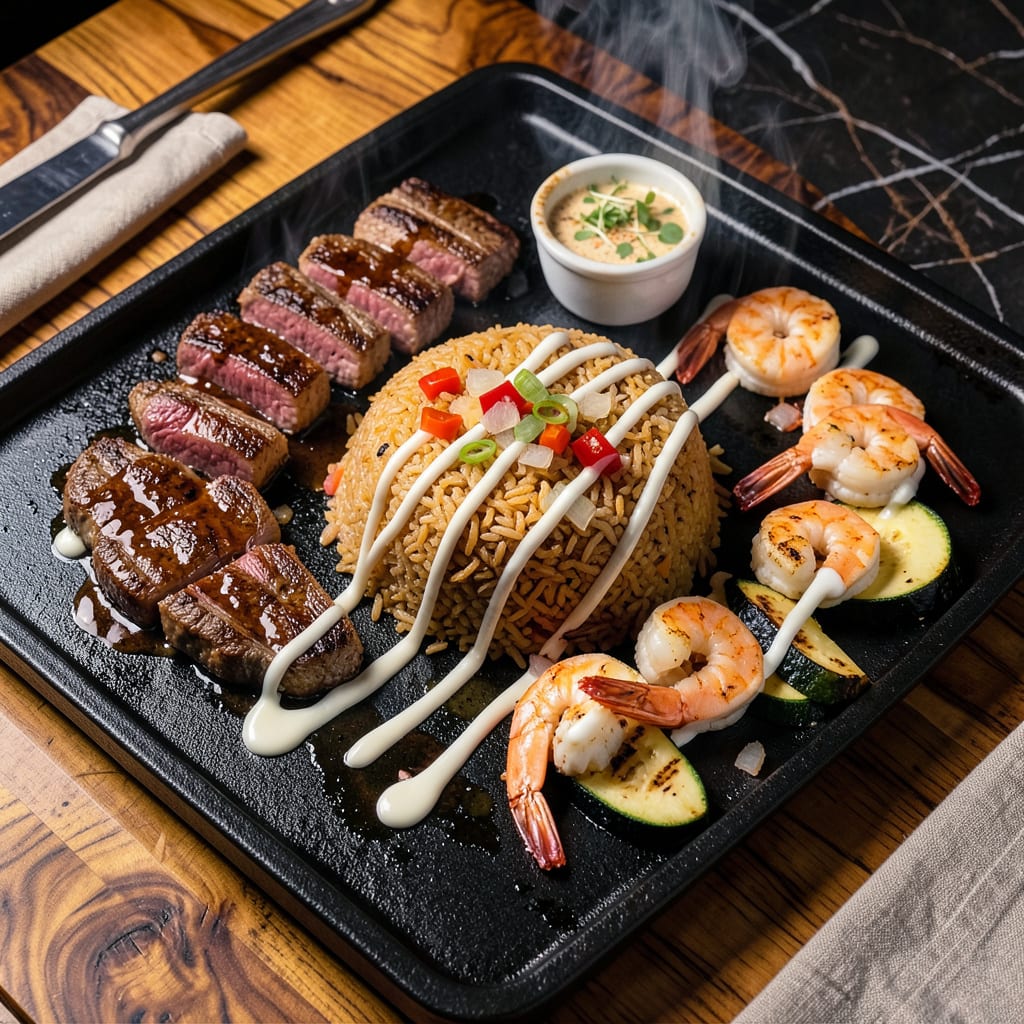
Traditional hibachi doesn’t require MSG, but some modern restaurants may add it for enhanced umami flavor. Authentic Japanese hibachi relies on natural ingredients like soy sauce, garlic, and ginger instead of artificial additives.
As a chef who values ingredient integrity, I’ve noticed the divide between classic and contemporary hibachi preparation. The traditional teppanyaki style focuses on high-quality proteins and simple seasonings to let natural flavors shine. However, some Americanized versions opt for shortcuts—MSG being one of them—particularly in high-volume settings where consistency is prioritized over authenticity. 🔥
What’s fascinating is how umami-rich ingredients like mushrooms, bonito flakes, or even aged soy sauce can replicate that savory depth without additives. I always recommend asking servers about their seasoning practices if you’re sensitive to MSG or prefer cleaner ingredient lists.
💡 In This Article
- How MSG Is Used in Modern Hibachi Cooking
- Identifying MSG-Free Hibachi Restaurants and Alternatives
How MSG Is Used in Modern Hibachi Cooking
The shift toward MSG in hibachi began with the rise of Americanized Japanese steakhouses in the 1970s-80s. These restaurants faced pressure to deliver bold, consistent flavors at high volume—something traditional ingredients alone couldn’t always achieve.
MSG (monosodium glutamate) became a shortcut to amplify the natural umami in soy sauce and grilled meats, especially when using lower-grade proteins or pre-marinated items. The additive binds to umami receptors on your tongue, creating that “savory punch” even with less expensive cuts of beef or chicken.
What’s telling is the dosage: Most hibachi chains using MSG add about 0.1-0.3% by weight to their seasoning blends—just enough to enhance without overpowering. I’ve seen it mixed into garlic butter, teriyaki glazes, or even sprinkled directly on the grill during cooking. The heat causes MSG to dissolve instantly, distributing evenly across vegetables and proteins.
🔥 Unlike traditional Japanese teppanyaki, where chefs rely on aged soy sauces (fermented 6+ months) and fresh ginger, these modern versions prioritize speed and cost efficiency.
Regional differences play a huge role. In Japan, MSG use is declining due to consumer preference for “clean label” dining, while in the U.S., it remains common in chain restaurants. Some states like California even require MSG disclosure on menus if used.
The flavor impact is subtle but noticeable: MSG-enhanced hibachi often tastes “rounder” and more addictive, while traditional versions highlight the natural sweetness of onions, the char of grilled zucchini, and the clean finish of sesame oil.
Here’s what most diners don’t realize: MSG isn’t just about saltiness—it actually reduces the need for sodium by 20-40% in recipes. That’s why some chefs defend its use as a “healthier” alternative to excessive salt. However, purists argue that proper technique—like searing proteins at 400-450°F to develop Maillard reactions—creates enough umami naturally.
The debate ultimately comes down to philosophy: convenience versus craftsmanship in modern hibachi.
For those sensitive to additives, the telltale signs of MSG use include an almost “tingling” mouthfeel after eating, or flavors that taste artificially amplified rather than layered. Traditional hibachi should leave you tasting distinct components—smoky grill notes, sweet caramelized onions, the bright acidity of yum yum sauce—rather than a uniform “savory blanket” over everything. ✨
Interestingly, some high-end hibachi chefs now use alternatives like mushroom powder or fermented bean pastes to achieve similar depth. These ingredients contain natural glutamates that mimic MSG’s effect without the processed label.
The texture difference is subtle but present: natural umami sources tend to leave a slightly richer, more complex aftertaste compared to the clean, sharp finish of synthetic MSG.

Trained in classic French technique but raised on slow-cooked ribs and spicy rubs, she blends culinary skill with smoke and soul.
- Recipe for Boneless Pork Chops in Cast Iron Skillet: Sear and Baste to Juicy Perfection - October 3, 2026
- Recipe for Boneless Cross Rib Roast: Slow-Roasted Beef with Herb Crust - October 3, 2026
- Hamburgers in Sauce Recipe Crock Pot: Slow-Cooked Savory Delight - October 3, 2026