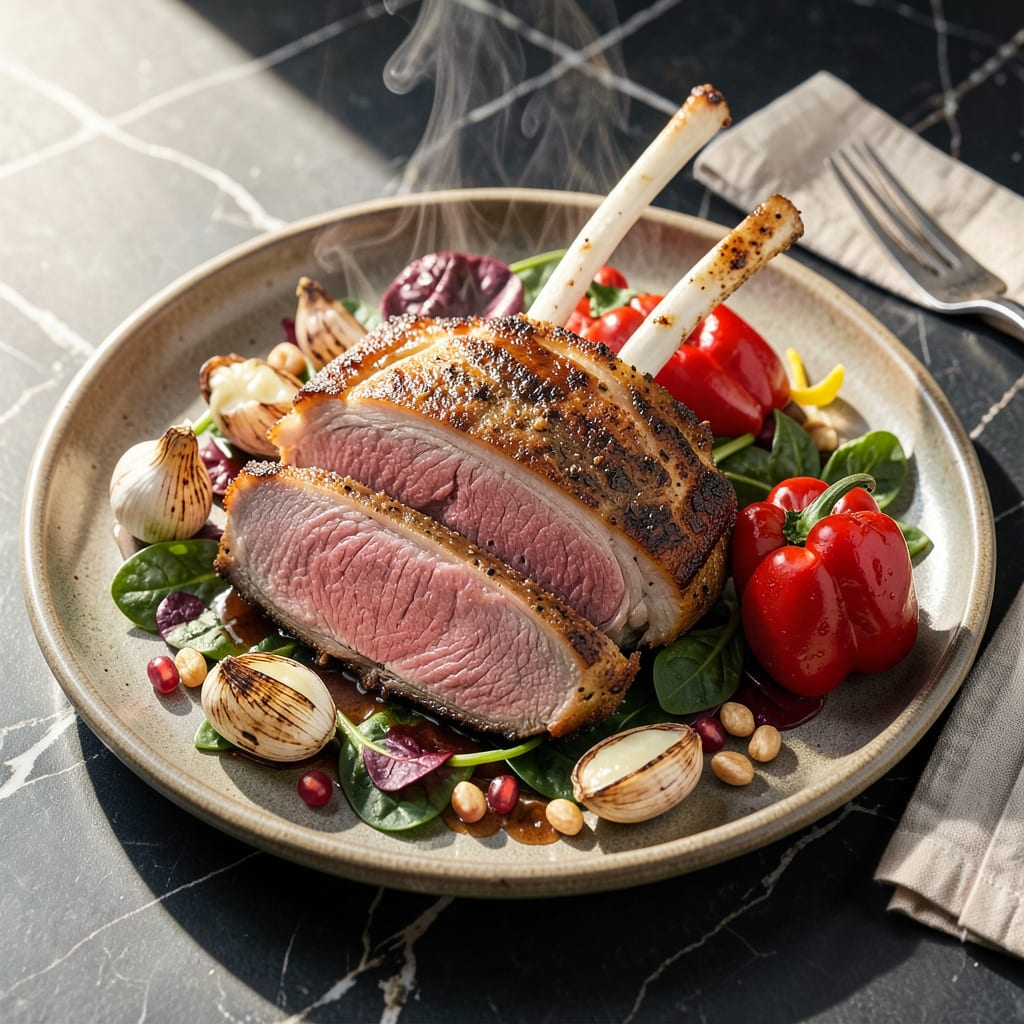
Fresh lamb has a mild, slightly gamey aroma that’s clean and earthy. A strong, sour, or ammonia-like smell indicates spoilage—this is when lamb smells bad and should not be eaten.
As a pitmaster who’s handled thousands of pounds of meat, I’ve learned that lamb’s natural scent comes from its diet and fat composition—think grassy pastures and wild herbs. 🔥 That subtle earthiness is normal, but when the aroma shifts to something sharp or putrid, it’s your nose warning you about bacterial growth. Trust me, if the smell makes you recoil, that’s your body’s built-in food safety system kicking in. Always err on the side of caution with meat, especially when planning a slow-cooked dish where flavors concentrate over time.
💡 In This Article
- Why Fresh Lamb Has a Distinctive Scent
- How to Check Lamb for Spoilage Before Cooking
Why Fresh Lamb Has a Distinctive Scent
Lamb’s natural aroma comes from its unique fat composition and diet. Unlike beef, lamb fat contains higher levels of branched-chain fatty acids like 4-methyloctanoic acid, which gives it that characteristic “gamey” note. 🔥 These compounds develop as lambs graze on wild grasses, herbs, and sometimes even coastal plants—what they eat directly influences their flavor profile.
I’ve noticed pasture-raised lamb from New Zealand often has a cleaner scent than grain-finished varieties, with subtle floral undertones from clover and thyme in their diet.
The age of the animal plays a crucial role too. Younger lambs (under 12 months) produce meat with milder aromas, while older sheep develop stronger, more pronounced scents.
The fat itself acts as a flavor reservoir—lamb typically has about 15-20% fat content compared to beef’s 5-10%, which means more aromatic compounds get trapped and released during cooking. When you unwrap fresh lamb, you might detect a faint metallic note too, which comes from the iron-rich myoglobin in the muscle tissue.
What most people don’t realize is that lamb’s scent changes dramatically with storage. Fresh lamb releases volatile organic compounds like hexanal and octanal that create that clean, earthy aroma. But as bacteria begin to multiply (even in refrigeration), they break down proteins into ammonia and sulfur compounds.
This is why properly stored lamb in your fridge’s coldest section (32-34°F) maintains its pleasant aroma longer, while meat left at 40°F or above deteriorates faster.
The breeding environment makes a surprising difference too. Lambs raised in mountainous regions often develop more complex aromas from the diverse forage, while those from flat pastures tend to have milder scents. I once compared Icelandic lamb to domestic—what a revelation!
The Icelandic had almost a mineral quality from the volcanic soil, while Midwest-raised lamb carried sweeter corn-fed notes. ✨ This terroir effect explains why butchers often label lamb by region, just like wine.
Here’s what’s actually happening at the molecular level: when lamb fat oxidizes (even slightly during storage), it releases aldehydes that our noses perceive as that characteristic “lamby” smell. These same compounds are found in cooked mushrooms and roasted nuts, which is why well-prepared lamb can have those comforting, savory undertones.
The key is recognizing when these natural aromas cross the line into spoilage territory—a shift that happens when harmful bacteria like Pseudomonas or Lactobacillus take over.
Pro tip from my butcher days: always give lamb the “sniff test” at room temperature. Cold suppresses volatile compounds, so let it sit wrapped for 10-15 minutes after removing from the fridge.
💫 What you’re smelling then is the true aroma—whether it’s the pleasant grassy notes of fresh meat or the sharp, acrid warning signs of bacteria at work. Trust me, your nose knows the difference between “robust” and “rotten” better than any expiration date.

Trained in classic French technique but raised on slow-cooked ribs and spicy rubs, she blends culinary skill with smoke and soul.
- Recipe for Crock Pot Lasagna Using Ravioli: No-Boil Cheese Layers - October 3, 2026
- Recipe for Cut Up Chicken: One-Pan Crispy Bites - October 3, 2026
- Recipe For Oven Baked Haddock: Buttery Crumbs With Zesty Lemon Topping - October 3, 2026