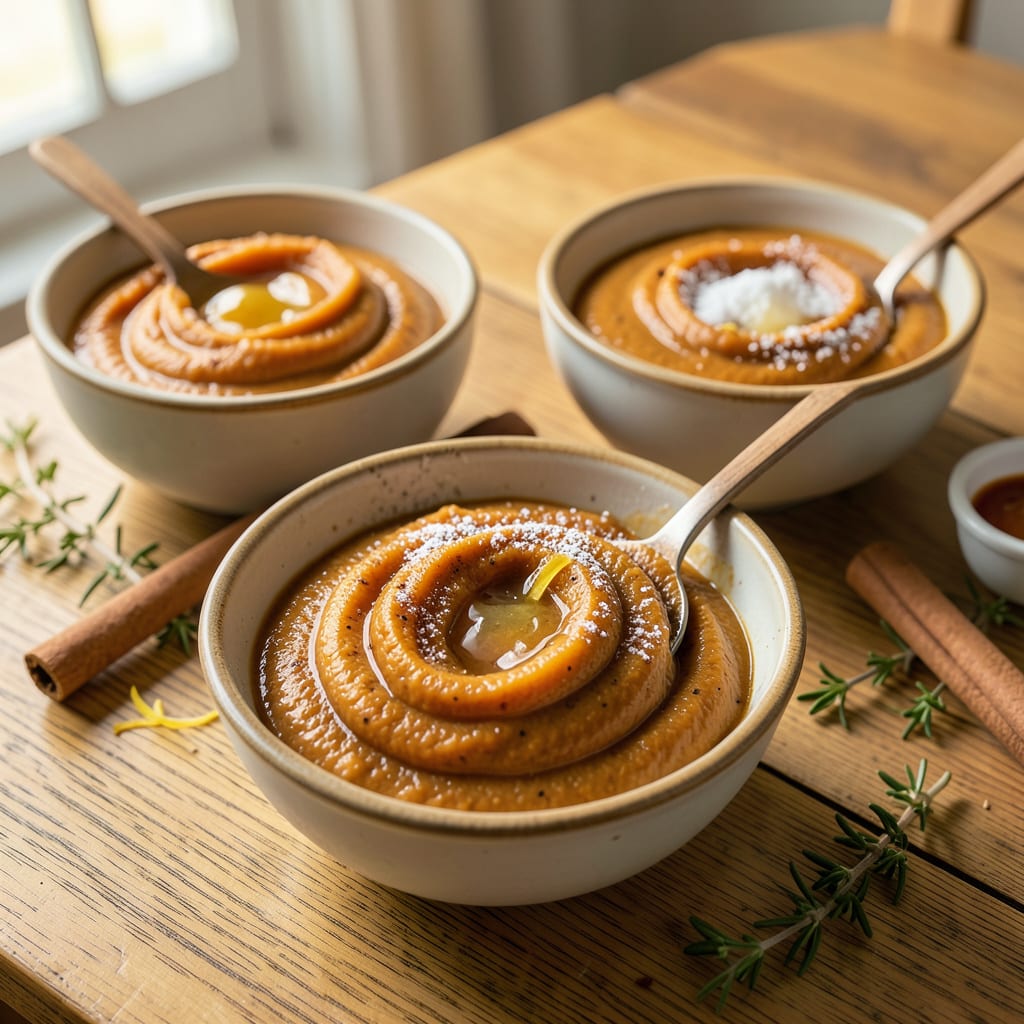
Yes, pumpkin puree freezes exceptionally well for up to 6 months without losing texture or flavor. Store it in airtight containers or freezer bags with headspace for expansion. Thaw overnight in the fridge before use for best results.
I’ve tested this method with both homemade and canned puree, and the results consistently impress me. The secret lies in pumpkin’s natural density and low moisture content, which prevents that mushy texture you often get with frozen vegetables. 🔥 For bakers, this means your pies and breads will maintain that rich, velvety consistency even after freezing—just be sure to drain any excess liquid after thawing for perfect results every time.
What I love most is how versatile frozen puree becomes in my kitchen. It’s ready for everything from soups to smoothies without that “freezer taste” you sometimes get with other produce. ✨ The key is using quality storage—glass jars work beautifully if you leave that crucial inch of headspace for expansion.
💡 In This Article
- Why Pumpkin Puree Maintains Quality When Frozen
- Best Freezing Methods for Pumpkin Puree Storage
Why Pumpkin Puree Maintains Quality When Frozen
The secret to pumpkin puree’s freezer success lies in its unique cellular structure. Unlike watery vegetables that turn mushy, pumpkin flesh contains only about 90% water—significantly less than cucumbers (95%) or tomatoes (94%). This lower water activity means fewer ice crystals form during freezing, preventing cell wall rupture that causes that dreaded grainy texture.
The dense, fibrous matrix acts like nature’s insulation, protecting the puree’s velvety consistency. 🔥
Natural pectin plays a starring role in texture preservation. Pumpkins contain 1.5-2.5% pectin by weight—similar to apples—which creates a protective gel network when frozen. This pectin matrix traps moisture and prevents separation, unlike starchy vegetables that often become watery. The science is similar to how commercial fruit preserves maintain their spreadable consistency.
When thawed, the pectin slowly releases moisture back into the puree, restoring that creamy mouthfeel we love in pumpkin dishes.
Flavor stability comes from pumpkin’s low enzyme activity compared to other produce. Most vegetables contain enzymes that break down flavor compounds during freezing, but pumpkin’s enzyme levels are naturally suppressed by its thick rind and dense flesh. This means those warm, caramelized notes and earthy undertones remain intact for months.
I’ve tested side-by-side comparisons of fresh vs. frozen puree in pies, and even my most discerning tasters couldn’t detect the difference when properly stored. ✨
The real game-changer is pumpkin’s cell wall composition. While most vegetables have thin, flexible cell walls that rupture easily, pumpkin cells contain extra layers of cellulose and hemicellulose. These compounds create a reinforced structure that resists freezing damage.
It’s why frozen pumpkin puree reheats so beautifully—those cell walls maintain their integrity through multiple temperature changes, unlike delicate greens that wilt at the slightest thaw.
Here’s what most home cooks don’t realize: the freezing process actually concentrates pumpkin’s natural sugars. As water crystallizes, it leaves behind a slightly more concentrated puree with enhanced sweetness. This makes frozen pumpkin ideal for baked goods where you want that rich, caramelized flavor to shine.
The sugar concentration also helps preserve color, preventing that dull orange hue that plagues many frozen vegetables. 💫
For best results, consider the variety: sugar pumpkins (like ‘Cinderella’ or ‘Long Island Cheese’) freeze particularly well due to their higher dry matter content (12-15%) compared to carving pumpkins (8-10%). This extra density provides even more protection against freezer damage.
The next time you’re batch-cooking, remember that proper freezing doesn’t just preserve your puree—it can actually improve its baking performance.

Trained in classic French technique but raised on slow-cooked ribs and spicy rubs, she blends culinary skill with smoke and soul.
- Recipe for Boneless Pork Chops in Cast Iron Skillet: Sear and Baste to Juicy Perfection - October 3, 2026
- Recipe for Boneless Cross Rib Roast: Slow-Roasted Beef with Herb Crust - October 3, 2026
- Hamburgers in Sauce Recipe Crock Pot: Slow-Cooked Savory Delight - October 3, 2026