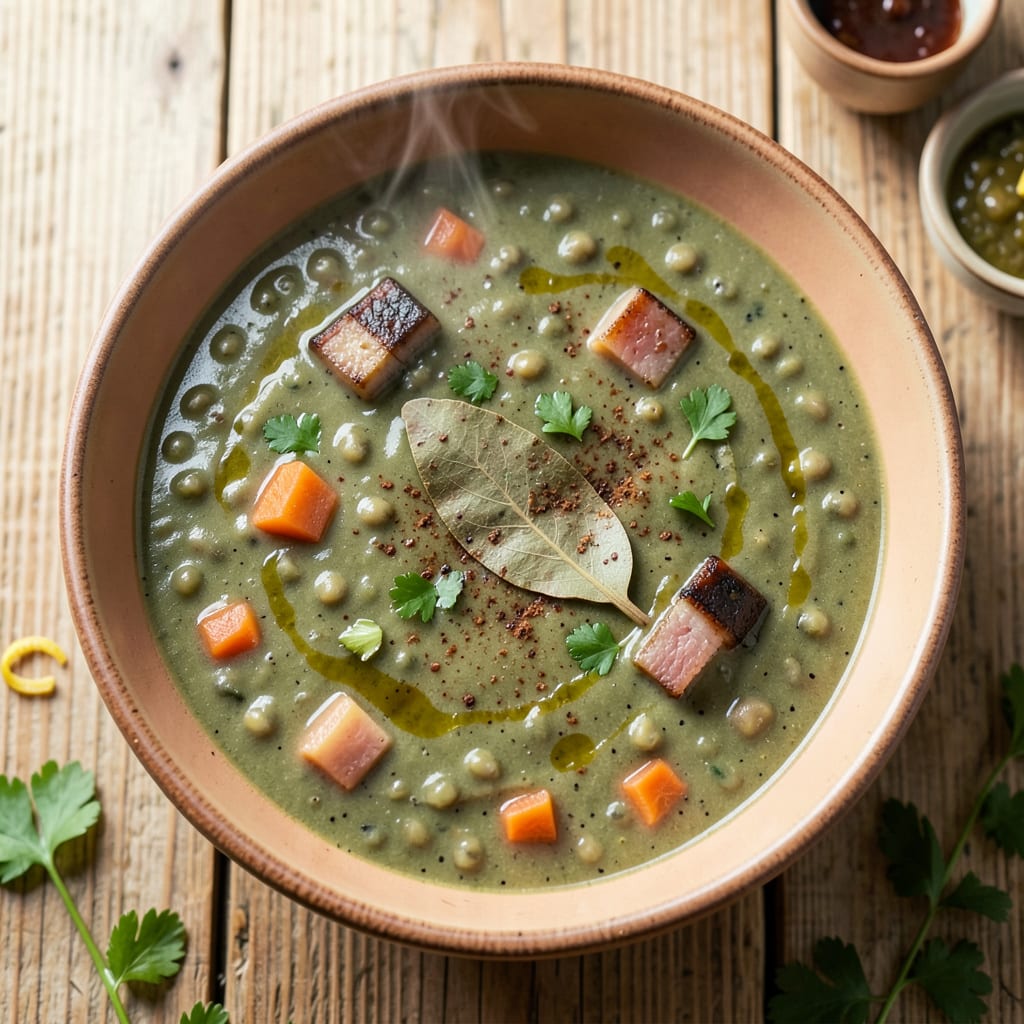
Yes, split pea soup often causes gas due to its high fiber and oligosaccharide content, which are hard to digest. Soaking peas before cooking and adding digestive spices like cumin or ginger can help reduce discomfort.
This happens because split peas contain complex sugars that our gut bacteria ferment as they break down. 🔥 That fermentation process produces gas as a natural byproduct—similar to how cabbage or beans affect digestion. I’ve found that gradually increasing fiber intake helps your system adapt, but the real game-changer is proper preparation. The soaking step isn’t just for texture; it actually starts breaking down those troublesome compounds before they even hit your digestive tract.
💡 In This Article
- Why Split Pea Soup Triggers Gas and Bloating
- Proven Ways to Make Split Pea Soup Easier to Digest
Why Split Pea Soup Triggers Gas and Bloating
Split peas pack a double whammy of indigestible compounds that send your gut bacteria into overdrive. First, they contain 16-25% fiber by weight—mostly insoluble fiber that resists digestion in your small intestine. Then there are the oligosaccharides (like raffinose and stachyose), complex sugars that human enzymes can’t break down.
When these reach your colon, resident bacteria feast on them through fermentation, producing hydrogen, methane, and carbon dioxide gases as byproducts. 🔥
The fermentation process isn’t just about gas volume—it’s about timing. Those oligosaccharides act like a buffet for gut microbes, causing rapid bacterial growth that can produce 4-6 hours of active fermentation after eating. This explains why discomfort often peaks hours after your meal.
Compare this to simpler carbs that digest in 1-2 hours with minimal gas production. The split pea’s tough cellular structure also means more work for your digestive system to access nutrients.
Your gut microbiome composition plays a surprising role too. Studies show people with higher populations of Bacteroides and Bifidobacterium experience less bloating from legumes because these bacteria process fiber more efficiently. Meanwhile, those with more Firmicutes bacteria tend to produce more gas.
This bacterial balance explains why some people handle split pea soup fine while others feel like they’ve swallowed a balloon. ✨
The cooking method matters more than you’d think. Dry split peas contain enzyme inhibitors that survive unless properly heated. Traditional stovetop simmering at 212°F for 60+ minutes breaks down about 60% of these compounds, while pressure cooking at 250°F for 20 minutes can degrade up to 85%.
That’s why rushed cooking often leads to worse digestive outcomes—the troublesome compounds remain largely intact when undercooked.
Here’s what’s happening at the cellular level: Split peas contain phytic acid that binds to digestive enzymes, reducing their effectiveness by up to 30%. The peas’ thick cell walls (composed of cellulose and hemicellulose) also resist breakdown unless physically disrupted through soaking or long cooking.
When these walls stay intact, they ferry more oligosaccharides straight to your colon where the gas-producing party begins. 💫
The protein-fiber matrix in split peas creates another challenge. Unlike simple starches that digest quickly, this combination requires simultaneous action from multiple enzymes (amylase for carbs, protease for proteins). When your body can’t keep up, undigested particles reach the colon where bacteria take over—leading to that familiar post-soup bloat.
Think of it like a traffic jam in your digestive highway.
Even the soup’s liquid component plays a role. The soluble fiber in split peas absorbs water and forms a gel-like substance that slows digestion. While this helps with nutrient absorption, it also gives gut bacteria more time to ferment any undigested compounds.
That’s why thick, hearty split pea soups often cause more gas than thinner versions—the concentrated fiber load overwhelms your digestive capacity. ⚡

Trained in classic French technique but raised on slow-cooked ribs and spicy rubs, she blends culinary skill with smoke and soul.
- Sanjeev Kapoor Egg Biryani Recipe: Fragrant Spiced Rice With Boiled Eggs - October 3, 2026
- Recipe for French Pork Spread Gorton: Savory Gallic Flavors in a Spreadable Delight - October 3, 2026
- Recipe for Pan Fried: Golden Crust with Savory Depth - October 3, 2026