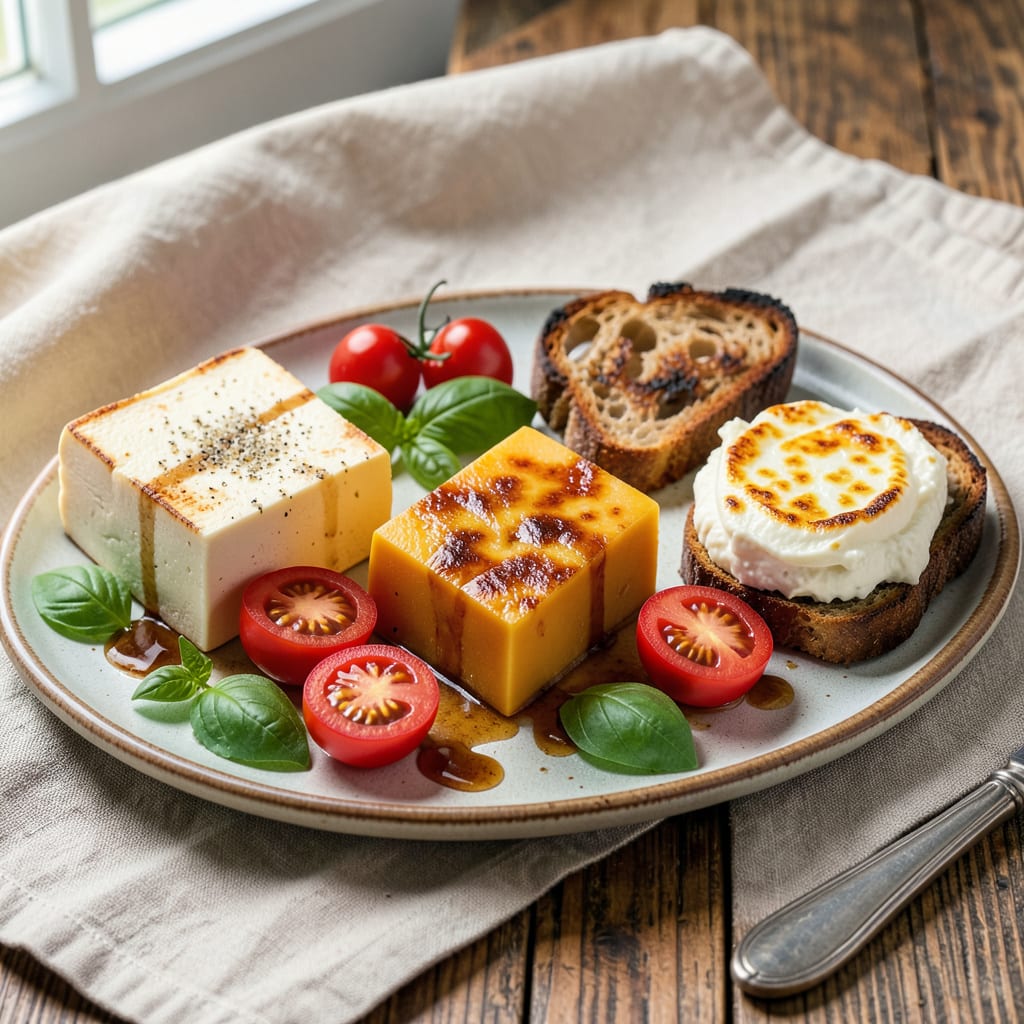
Tofu doesn’t naturally taste like cheese—its mild, slightly nutty flavor is more neutral. However, when marinated, fermented, or seasoned with nutritional yeast, it can mimic cheesy textures and umami notes in vegan dishes.
I’ve spent years experimenting with plant-based ingredients, and here’s what I’ve discovered: the magic happens in the transformation. 🔥 Fresh tofu straight from the package is about as exciting as plain yogurt—it’s the preparation that unlocks its potential. Think of it like a blank canvas that absorbs flavors beautifully when treated right. The real game-changer is fermentation or aging, which develops complex, tangy notes that start approaching cheese territory. Even simple techniques like pressing out excess water before marinating make a dramatic difference in texture and flavor absorption.
💡 In This Article
- Why Tofu and Cheese Flavors Differ Scientifically
- How to Make Tofu Taste More Like Cheese at Home
Why Tofu and Cheese Flavors Differ Scientifically
At the molecular level, cheese and tofu are worlds apart. Cheese gets its signature taste from casein proteins that break down during fermentation, creating complex amino acids and fatty acids. Tofu, however, is made from soy protein that coagulates with calcium or magnesium salts—no fermentation involved.
This gives tofu its clean, neutral base that’s about as flavorful as cooked chicken breast before seasoning. 🔥
The fat content tells another story. Most cheeses contain 20-30% fat, which carries rich, savory flavors and creates that melt-in-your-mouth sensation. Standard firm tofu? Only about 4-6% fat. That’s why unseasoned tofu can taste watery or bland—it lacks the fat to carry flavors.
The protein structure also differs: cheese proteins form elastic networks when melted, while tofu proteins create a more rigid, custard-like matrix when cooked.
Fermentation is where cheese develops its funky, tangy personality. Microbes break down lactose into lactic acid, creating sharp, umami notes over weeks or years. Tofu’s production skips this entirely—it’s ready in hours. Without this microbial magic, tofu starts with a much simpler flavor profile. The good news?
This blank slate makes tofu incredibly adaptable to flavor transformations through marinating or culturing.
Texture plays a huge role in taste perception too. Cheese melts and stretches thanks to its protein structure, while tofu maintains its shape unless blended. When you bite into aged cheddar, you’re experiencing crystalline tyrosine formations that create that satisfying crunch.
Tofu’s texture is more uniform—unless you freeze and thaw it to create a spongy, cheese-like consistency that absorbs marinades better.
Here’s the fascinating part: our brains associate cheese flavor with specific volatile compounds like methanethiol (that “cheesy” aroma). Tofu doesn’t naturally contain these, but you can introduce similar compounds through ingredients like nutritional yeast (which contains glutamates for umami) or fermented soy products that develop comparable aromatic profiles over time. ✨
Temperature behavior sets them apart too. Cheese melts at 90-150°F depending on type, while tofu starts breaking down at 160°F. This means tofu won’t create that gooey stretch we associate with melted cheese, though blended tofu can mimic soft cheese textures when combined with starches or gums.
The melting point difference explains why vegan cheese alternatives often use modified starches to replicate that melt.
What most people don’t realize is that tofu’s neutral pH (6.0-7.5) makes it the perfect vehicle for flavor transformation. Cheese typically sits at pH 4.8-5.5, giving it that signature tang.
By adjusting tofu’s acidity with vinegar or citrus during preparation, you can nudge its flavor profile closer to cheese territory—especially when combined with salt and umami boosters like miso or soy sauce. 💫

Trained in classic French technique but raised on slow-cooked ribs and spicy rubs, she blends culinary skill with smoke and soul.
- Recipe for Boneless Pork Chops in Cast Iron Skillet: Sear and Baste to Juicy Perfection - October 3, 2026
- Recipe for Boneless Cross Rib Roast: Slow-Roasted Beef with Herb Crust - October 3, 2026
- Hamburgers in Sauce Recipe Crock Pot: Slow-Cooked Savory Delight - October 3, 2026