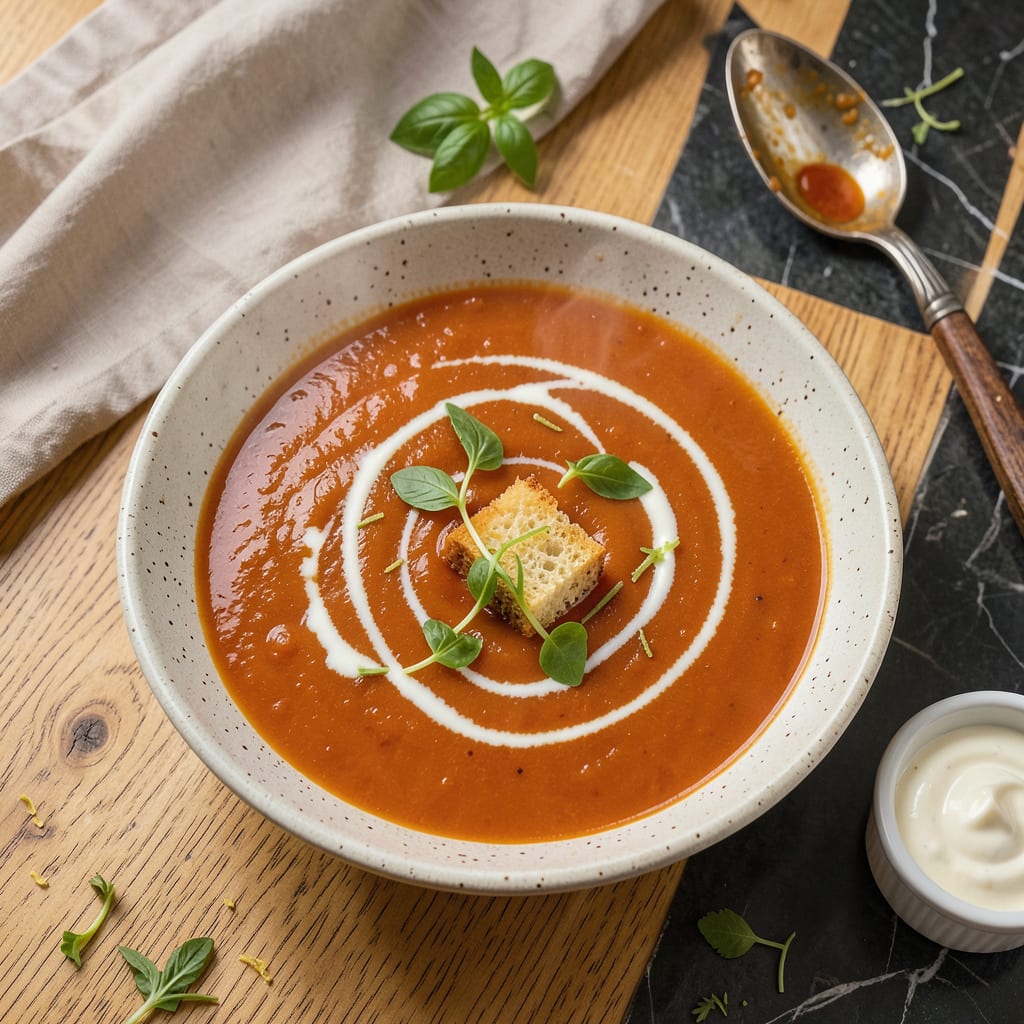
Yes, tomato soup can go bad. Unopened canned soup lasts 1-2 years past the date, while opened lasts 3-5 days refrigerated. Homemade keeps 3-4 days in the fridge or 3 months frozen.
I’ve seen too many kitchens where that “just in case” can of soup gets forgotten in the pantry for years. The real danger isn’t just the expiration date—it’s how storage conditions accelerate spoilage. 🔥 Canned versions rely on their sealed environment, but once opened, they become vulnerable to bacteria like any fresh food. Homemade batches spoil faster because they lack commercial preservatives, so I always recommend portioning and freezing them immediately if you won’t use them within days.
What most people overlook is the flavor degradation over time. Even if unopened soup remains technically safe, the acidity in tomatoes breaks down during prolonged storage, leaving you with a bland, metallic-tasting liquid. That’s why I treat expiration dates as guidelines rather than absolute rules—your senses are the best spoilage detectors.
💡 In This Article
- How Tomato Soup Spoils Over Time
- Proper Storage Methods for Tomato Soup
How Tomato Soup Spoils Over Time
The spoilage process begins with microbial activity. When exposed to air, tomato soup becomes a breeding ground for bacteria like Bacillus cereus and Clostridium botulinum, which thrive in the soup’s acidic yet nutrient-rich environment.
Canned versions are initially protected by the sterilization process and vacuum seal, but once opened, oxygen triggers rapid bacterial growth—especially at temperatures above 40°F. The acidity that preserves flavor also creates ideal conditions for certain microbes to multiply. 🔥
Oxidation dramatically alters both flavor and texture. The lycopene and vitamin C in tomatoes degrade when exposed to air, causing the vibrant red color to dull into a muddy brown. You’ll notice the aroma shifts from bright and tangy to flat or sour as volatile compounds evaporate.
Homemade soups spoil faster because they lack commercial stabilizers—within 24-48 hours at room temperature, you might see separation where solids sink while oils rise to the surface, creating that unappetizing “broken” appearance.
The canning process itself creates a false sense of security. While unopened cans remain safe for years due to the 250°F sterilization during production, the metal can gradually interact with the soup’s acids. Over 18-24 months, you may detect a faint metallic taste as the tin lining starts breaking down.
This isn’t immediately dangerous but signals declining quality. Freezing homemade soup pauses this process by halting microbial activity, though ice crystals can still degrade the smooth texture over 3+ months. ✨
Visible mold is the most obvious sign, but subtler changes often appear first. Watch for tiny bubbles forming along the soup’s surface—this indicates active fermentation. A slimy film or increased viscosity means proteins are breaking down. The most reliable test?
Temperature check: if refrigerated soup feels warmer than 40°F despite proper storage, microbial activity has already begun generating heat. That’s your cue to discard it immediately. 💫
Here’s what surprises most people: the spoilage timeline varies dramatically by ingredient. Cream-based tomato soups turn rancid faster because dairy separates and sours within 2-3 days refrigerated. Chunky vegetable-added versions develop off-flavors quicker as the veggies release enzymes.
Even the tomato variety matters—heirloom tomatoes with higher sugar content ferment more rapidly than standard Roma varieties when stored improperly.
Pro tip from my kitchen: Always store opened cans in glass or ceramic rather than keeping them in the original metal container. The tin continues reacting with the soup’s acids even in the fridge, accelerating that metallic off-flavor.
I’ve found transferring to a quart-sized mason jar with a tight lid extends freshness by at least a day while preserving the clean tomato taste. 🌟

Trained in classic French technique but raised on slow-cooked ribs and spicy rubs, she blends culinary skill with smoke and soul.
- Recipe for Boneless Pork Chops in Cast Iron Skillet: Sear and Baste to Juicy Perfection - October 3, 2026
- Recipe for Boneless Cross Rib Roast: Slow-Roasted Beef with Herb Crust - October 3, 2026
- Hamburgers in Sauce Recipe Crock Pot: Slow-Cooked Savory Delight - October 3, 2026