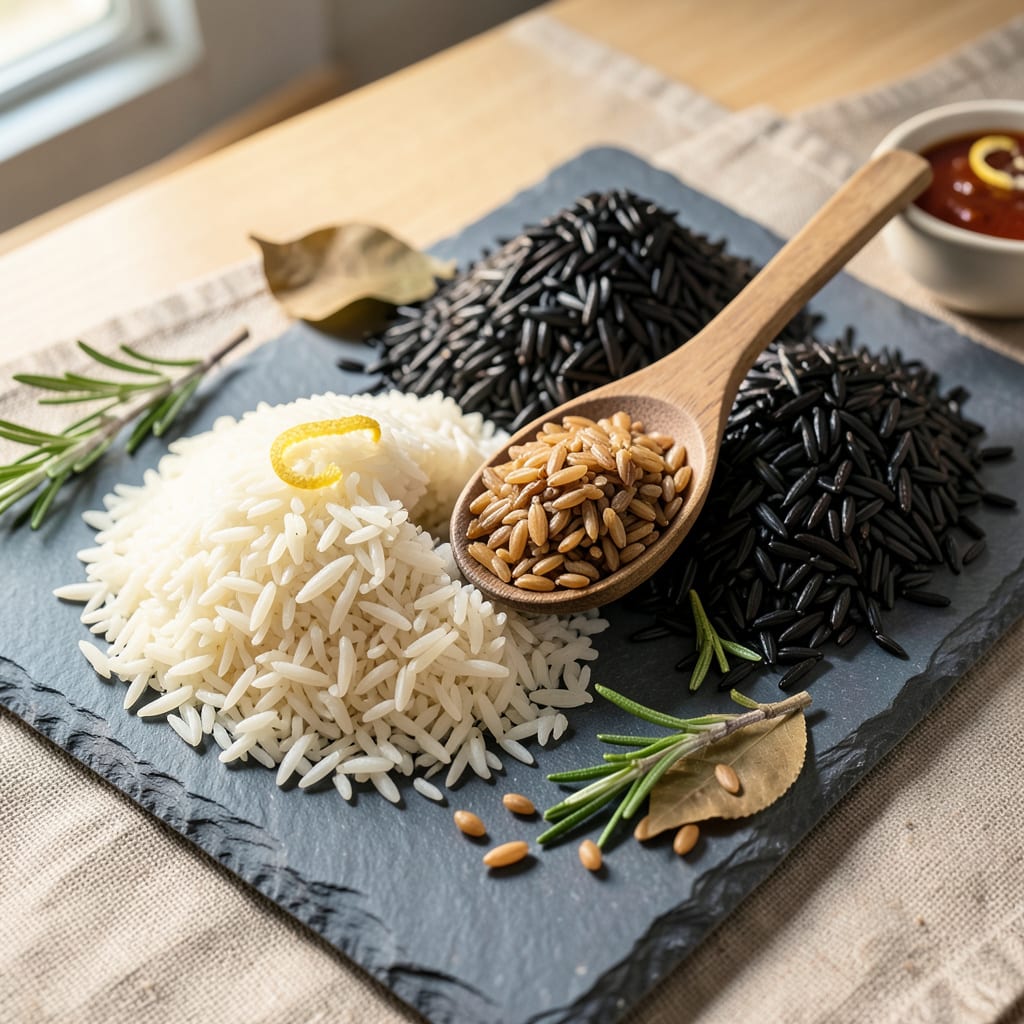
Uncooked white rice can last almost indefinitely if stored properly, while brown rice expires in 6-12 months due to its natural oils. Signs of spoilage include musty odors, bugs, or moisture clumps—discard if any appear.
I’ve seen pantries where rice lasts for years without issue, but the real game-changer is understanding what’s happening inside that bag. 🔥 White rice’s stripped-down processing removes the oils and bran that cause spoilage, giving it that legendary shelf life. Brown rice, however, keeps its nutritious outer layers—which means those healthy oils can turn rancid over time. That’s why I always recommend checking your storage conditions: a cool, dark pantry works wonders, while a humid cabinet can cut that shelf life dramatically.
💡 In This Article
- Why Brown Rice Expires Faster Than White Rice
- Best Storage Methods to Extend Uncooked Rice Shelf Life
Why Brown Rice Expires Faster Than White Rice
The secret lies in the bran layer—brown rice retains its outer coating packed with natural oils and nutrients. These oils contain polyunsaturated fats that oxidize when exposed to air, heat, or light, creating that telltale rancid smell.
White rice, with its bran and germ removed, loses these oils during milling, leaving mostly starch that resists spoilage for years. Think of it like comparing whole wheat flour (6-12 month shelf life) to refined white flour (nearly indefinite).
Moisture content plays a huge role too. Brown rice typically contains 10-12% moisture versus white rice’s 8-10%, creating a more hospitable environment for mold growth. I’ve seen brown rice develop musty odors in just 8 months when stored in humid coastal kitchens, while the same batch stayed fresh 14 months in a climate-controlled pantry.
Temperature accelerates this—every 18°F increase doubles oxidation rates. 🔥
The milling process fundamentally changes rice’s stability. White rice undergoes polishing that removes the aleurone layer where most enzymes reside. These enzymes in brown rice continue breaking down fats and proteins over time, even in storage.
That’s why you’ll notice brown rice’s texture becomes gummy faster—those enzymes are slowly degrading the starch structure while white rice remains dormant.
Here’s what’s happening at the microscopic level: The natural antioxidants in brown rice’s bran (like vitamin E) initially protect the oils, but they deplete over time. Once exhausted, free radicals attack the fats, creating volatile compounds we perceive as “off” flavors.
White rice skips this entirely—its starch granules remain chemically stable for decades when kept dry. I’ve cooked 30-year-old white rice from properly sealed containers that tasted identical to fresh.
Storage conditions magnify these differences. Brown rice in paper bags absorbs ambient humidity, while white rice in Mylar with oxygen absorbers can last 25+ years. The key factor is limiting oxygen exposure—brown rice’s oils need oxygen to oxidize, while white rice’s main enemy is moisture that enables microbial growth.
This explains why vacuum-sealing extends brown rice’s life by 3-6 months but barely affects white rice’s longevity.
Consider these real-world comparisons:
- Jasmine white rice: Lasted 8 years in original packaging in my pantry with no quality loss
- Short-grain brown rice: Developed rancid aroma after 9 months in a warm kitchen cabinet
- Basmati (white): Maintained perfect texture after 15 years in food-grade buckets with oxygen absorbers
The takeaway? Brown rice’s nutritional benefits come with a shelf life tradeoff. Those healthy oils and fiber that make it superior nutritionally are the same components that limit its storage potential. 💫

Trained in classic French technique but raised on slow-cooked ribs and spicy rubs, she blends culinary skill with smoke and soul.
- Recipe for Boneless Pork Chops in Cast Iron Skillet: Sear and Baste to Juicy Perfection - October 3, 2026
- Recipe for Boneless Cross Rib Roast: Slow-Roasted Beef with Herb Crust - October 3, 2026
- Hamburgers in Sauce Recipe Crock Pot: Slow-Cooked Savory Delight - October 3, 2026