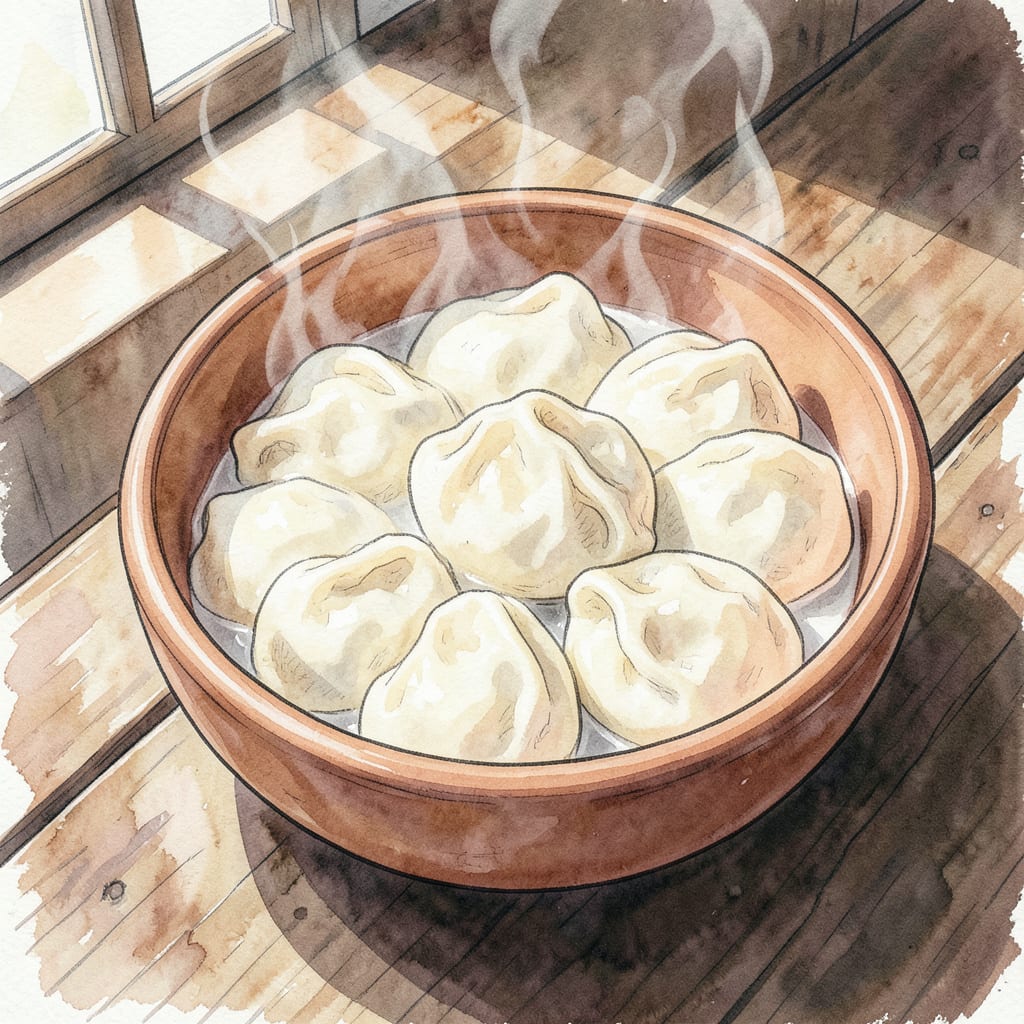
As a pitmaster with a passion for traditional flavors, I’m excited to share my dombolo recipe for perfectly steamed dumplings that pair beautifully with any stew or braai. These soft, fluffy dumplings are a staple in many cuisines and are sure to become a favorite.
My dombolo recipe uses a simple yeast-based dough that rises to perfection, resulting in a light and airy texture. With a few basic ingredients and some patience, you’ll be enjoying these delicious dumplings with your favorite dishes in no time.
Ingredients for Dombolo
Basic pantry ingredients come together to create these soft, fluffy steamed dumplings.
| Ingredient | Amount | Notes |
|---|---|---|
| All-Purpose Flour 🌾 | 2 cups | Unbleached, unbromated preferred |
| Active Dry Yeast 🍞 | 1 tsp | Not instant yeast |
| Sugar 🍮 | 1 tbsp | White granulated sugar |
| Salt 🧂 | ½ tsp | Kosher or sea salt preferred |
| Warm Water 💧 | 1 cup | About 100°F to 110°F |
| Vegetable Oil 🫒 | 2 tbsp | Neutral flavored oil |
[recipe_ingredient_scaler]
For the best texture, use unbleached, unbromated flour—the kind found in most supermarkets. I usually grab mine from Costco or Whole Foods. Make sure the yeast is fresh (check expiration date) and not expired. If you’re using older yeast, test it in warm water with a pinch of sugar first to ensure it’s active.
No instant yeast? Active dry yeast works fine—just make sure to proof it first. For the warm water, aim for 100°F to 110°F—not too hot, not too cold. If you don’t have a thermometer, let boiling water cool for a few minutes until it’s just comfortable to touch. You can substitute canola or sunflower oil if you don’t have vegetable oil.
These keep well for 2-3 days at room temperature. Freeze any leftovers for up to 3 months. To reheat, steam for about 5-7 minutes until warmed through. You can also microwave them wrapped in a damp paper towel for about 20-30 seconds.
Step-by-Step Instructions for Dombolo
Follow these straightforward steps to create perfect dombolo for your next stew or braai.
Step 1: Mix Dry Ingredients
In a large mixing bowl, combine the 2 cups All-Purpose Flour, 1 tsp Active Dry Yeast, 1 tbsp Sugar, and 0.5 tsp Salt. Whisk these dry ingredients together until they’re evenly distributed. I like to use a balloon whisk for this step as it incorporates air and ensures there are no lumps.
The mixture should look uniform with no visible streaks of yeast or sugar. This step is crucial as it prevents any clumps from forming when you add the wet ingredients.
Step 2: Combine Wet and Dry Ingredients
Make a well in the center of the dry ingredients and pour in the 1 cup Warm Water and 2 tbsp Vegetable Oil. Using a wooden spoon or a stand mixer with a dough hook attachment, mix the ingredients until they form a sticky dough. The dough should be soft and slightly tacky to the touch.
If you’re mixing by hand, you’ll know it’s ready when the dough starts to come away from the sides of the bowl. If using a stand mixer, this should take about 2-3 minutes on low speed.
Step 3: Knead the Dough
Turn the dough out onto a lightly floured surface and knead for about 10 minutes until the dough becomes smooth and elastic. You can test if it’s ready by performing a simple “window pane test”: stretch a small piece of dough between your fingers until it’s thin enough to see light through. If it tears easily, continue kneading.
During kneading, you’ll notice the dough changing from sticky to smooth and slightly shiny. This transformation indicates that the gluten is developing properly, which will give your dombolo a tender texture.
Step 4: Proof and Shape the Dombolo
Place the dough in a lightly oiled bowl, cover it with plastic wrap or a damp cloth, and let it rise in a warm, draft-free place for about 1 hour, or until it has doubled in size. Once risen, punch down the dough and divide it into 8-10 equal pieces. Shape each piece into a smooth ball.
As you shape the dombolo, make sure they’re evenly sized so that they steam cook uniformly. You can lightly flour your hands to prevent sticking if needed.
Step 5: Steam the Dombolo
Arrange the shaped dombolo on a steamer basket or a clean cloth, leaving some space between them to allow for expansion. Steam the dombolo over boiling water for about 20-25 minutes. You’ll know they’re done when they’re firm to the touch and have expanded slightly.
Serve the dombolo hot with your favorite stew or braai. They should be soft and fluffy on the inside with a tender exterior. If you’re not serving immediately, you can keep them warm wrapped in a clean towel.
Regional Styles of dombolo
Traditional South African Style
The classic South African dombolo recipe uses a simple yeast-based dough that rises beautifully, creating soft and fluffy steamed dumplings. I love using unbleached, unbromated flour from local South African brands for the best texture. The key is letting the dough rise properly in a warm, draft-free place.
West African Influence
Some West African variations incorporate coconut milk or ground peanuts into the dough, giving the dombolo a richer flavor and denser texture. You can experiment with these ingredients to create a unique fusion dombolo. I find that adding a pinch of ground ginger enhances the flavor beautifully.
Modern Twists
For a contemporary take, try adding fresh herbs like parsley or cilantro to the dough for a fresh flavor. Some modern recipes incorporate whole wheat flour or ancient grains for added nutrition and texture. I’ve had success with spelt flour for a nuttier flavor.
Regional Variations Across Africa
Different regions have their own takes on dombolo. In some areas, they’re made with cornmeal instead of flour, giving them a distinct texture. Others might add local spices or herbs to the dough. Exploring these variations can lead to exciting new flavors.
Tips for Perfect Dombolo
To ensure your dombolo turn out light and fluffy,
Serving Suggestions
Dombolo pairs beautifully with hearty stews and braais. Try serving them with a rich beef stew or alongside a braai with fresh vegetables. They’re also great with a simple tomato and onion sauce for a comforting meal. Enjoy! 🍴

Trained in classic French technique but raised on slow-cooked ribs and spicy rubs, she blends culinary skill with smoke and soul.
- Recipe for Boneless Pork Chops in Cast Iron Skillet: Sear and Baste to Juicy Perfection - October 3, 2026
- Recipe for Boneless Cross Rib Roast: Slow-Roasted Beef with Herb Crust - October 3, 2026
- Hamburgers in Sauce Recipe Crock Pot: Slow-Cooked Savory Delight - October 3, 2026