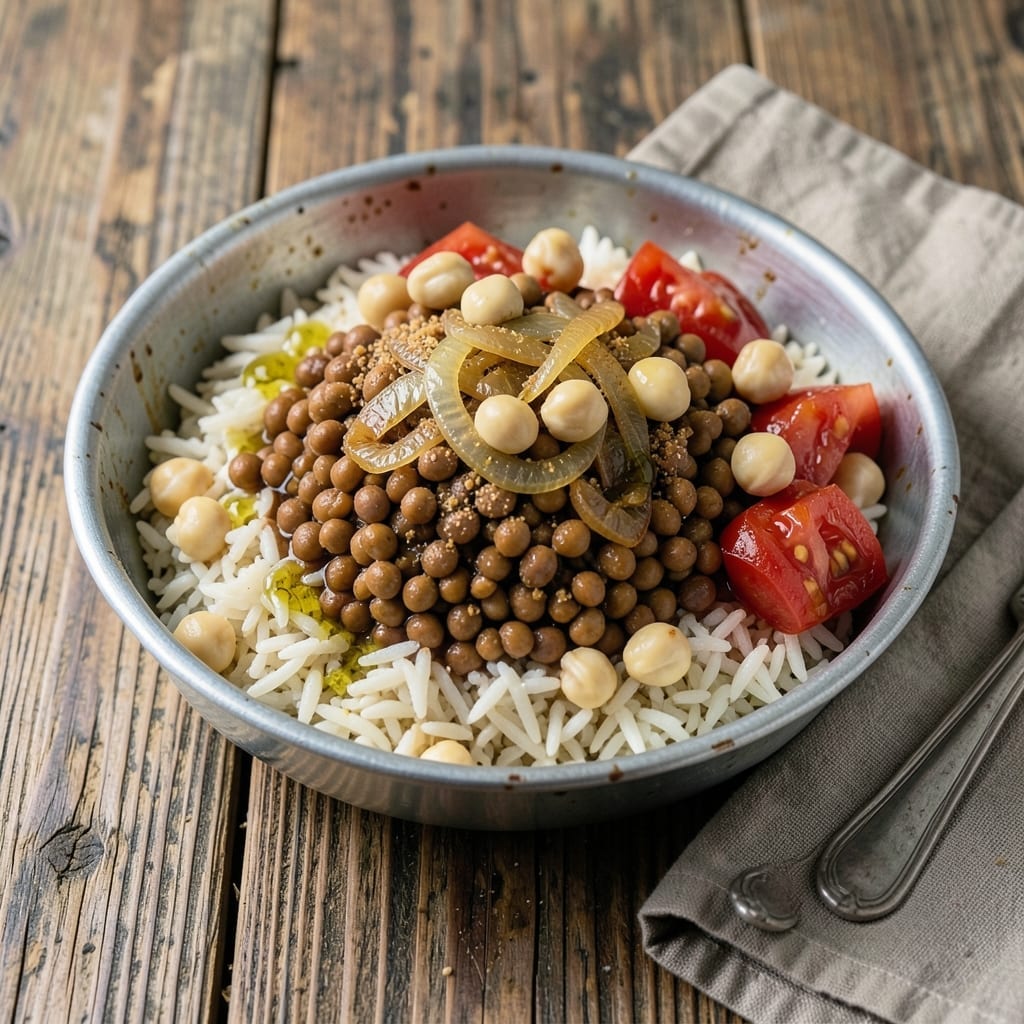
When preparing for the unexpected, having a nutrient-dense meal that lasts is essential. This survival-focused dish is designed to sustain you through uncertain times with minimal preparation.
Using only shelf-stable ingredients, this creation ensures you have access to vital nutrients without refrigeration. The components are carefully selected for longevity and balanced sustenance.
Every element serves a purpose—providing energy, protein, and essential vitamins. The recipe prioritizes practicality while maintaining palatability, because survival food shouldn’t compromise on taste.
Whether stored for emergencies or used during extended outdoor excursions, this meal delivers reliability when you need it most. Here’s how to prepare it.
Ingredients for Doomsday Ration
Shelf-stable staples combine for a nutrient-packed meal built to last through any crisis.
| Ingredient | Amount | Notes |
|---|---|---|
| Dried Lentils 🥜 | 2 cups | Green or brown variety, rinsed |
| Long-Grain White Rice 🍚 | 2 cups | Uncooked, for shelf stability |
| Canned Chickpeas 🥫 | 2 cans | 15 oz each, drained and rinsed |
| Dehydrated Onions 🧅 | ½ cup | Rehydrated in warm water |
| Garlic Powder 🧄 | 2 tbsp | For concentrated flavor |
| Canned Diced Tomatoes 🍅 | 2 cans | 14.5 oz each, with juices |
| Vegetable Bouillon Cubes 🥣 | 4 pieces | Low-sodium preferred |
| Olive Oil 🫒 | ¼ cup | For sautéing and richness |
| Dried Thyme 🌿 | 1 tbsp | Crushed between fingers |
| Dried Bay Leaves 🍃 | 2 pieces | Removed before serving |
| Salt 🧂 | 1 tsp | Iodized or kosher |
| Black Pepper 🌶️ | ½ tsp | Freshly ground preferred |
| Dried Parsley 🌿 | 2 tbsp | For garnish and flavor |
| Canned Tuna in Water 🐟 | 2 cans | 5 oz each, drained |
[recipe_ingredient_scaler]
Sourcing shelf-stable proteins and grains is critical for long-term viability. Canned tuna from Wild Planet and chickpeas from Goya offer superior quality and extended shelf life. Dried lentils from Bob’s Red Mill provide consistent texture and nutritional density. For the rice, standard long-grain white from any major brand works—avoid instant varieties as they degrade faster in storage.
Substitutions must prioritize longevity. Canned chicken or beans can replace tuna if preferred. Quinoa at a one-to-one ratio works instead of rice for added protein. Dehydrated garlic can stand in for powder at half the amount, but fresh is unsuitable for storage. For bouillon, chicken or mushroom cubes maintain the depth of flavor without compromising shelf stability.
Store all ingredients in a cool, dark place to maximize shelf life—this meal remains viable for 2-5 years if kept properly. Once prepared, it holds in the fridge for 3-4 days or can be frozen for up to 3 months (though freshness is optimal for immediate consumption).
Why You’ll Love This Recipe
- Pantry Hero: I can make this with just shelf-stable staples—no fresh ingredients or last-minute grocery runs.
- Deep, Earthy Flavor: The garlic powder and dehydrated onions bloom into this rich, savory base that makes lentils and chickpeas taste way more exciting than they should.
- Meal Prep champ: I cook a big batch on Sunday and it reheats beautifully all week—breakfast, lunch, or dinner.
- Dirt Cheap: A pound of lentils and rice feeds my family for days on just a few bucks. Honestly, it’s my budget’s best friend.
Step-by-Step Instructions for Long-Term Survival Meal with Shelf Stability
This method maximizes nutrition and shelf life using only shelf-stable ingredients.
Step 1: Rehydrate and Prepare the Base Ingredients
Begin by rehydrating the 0.5 cup Dehydrated Onions in 1 cup of warm water for 10 minutes. Meanwhile, rinse the 2 cups Dried Lentils under cold water to remove any debris. This initial step ensures the onions regain their texture and the lentils are clean for optimal flavor.
Drain the rehydrated onions and set aside. The 2 cups Long-Grain White Rice requires no pre-treatment, but keep it nearby. This preparation phase organizes your workspace for efficient assembly, a critical practice in survival cooking where resources and time may be limited.
Step 2: Build the Flavor Foundation
In a large pot, heat the 0.25 cup Olive Oil over medium heat. Add the rehydrated Dehydrated Onions, 2 tbsp Garlic Powder, 1 tbsp Dried Thyme, 1 tsp Salt, and 0.5 tsp Black Pepper. Sauté for 2-3 minutes until the onions soften and the aromatics become fragrant.
Next, crumble the 4 pieces Vegetable Bouillon Cubes directly into the pot, stirring to dissolve them into the oil and onion mixture. Add the 2 cans Canned Diced Tomatoes with their juices, along with the 2 pieces Dried Bay Leaves. Simmer for 5 minutes to meld the flavors into a robust base.
Step 3: Incorporate the Protein and Legumes
Drain and rinse the 2 cans Canned Chickpeas, then add them to the pot along with the 2 cups Dried Lentils. Stir to combine, ensuring the lentils are fully coated in the flavorful liquid. Pour in 6 cups of water or enough to cover the mixture by 2 inches.
Add the 2 cans Canned Tuna in Water, drained, breaking it into chunks as it goes into the pot. This step layers in the primary protein sources, creating a hearty, nutrient-dense mixture that will sustain energy levels.
Step 4: Simmer to Perfection and Finish
Bring the mixture to a boil, then reduce the heat to low. Cover and simmer for 30-35 minutes, stirring occasionally, until the Dried Lentils and Long-Grain White Rice are tender and the liquid has reduced to a thick, stew-like consistency.
Once the lentils and rice are cooked through, remove the Dried Bay Leaves and discard. Stir in the 2 cups Long-Grain White Rice, then cover and let it sit for 10 minutes off heat. This allows the rice to steam and absorb the remaining liquid. Finish by sprinkling with 2 tbsp Dried Parsley for a touch of freshness.
Pro Tips For Making Doomsday Ration
- Soak the Lentils: I learned this the hard way—dried lentils cook faster and more evenly if you soak them for 20 minutes in hot water before adding to the rice. It cuts the total cooking time by about 10 minutes.
- Rinse the Chickpeas: Drain and rinse canned chickpeas thoroughly to remove the starchy liquid, or your final dish will taste flat and metallic.
- Toast the Rice: Before adding liquid, toast the long-grain white rice with the dehydrated onions for 2-3 minutes in the pot. Sounds weird, but it works—it adds a nutty depth that makes the ration taste intentional, not just survival food.
- Use Extra Water: Lentils and rice absorb a lot, so add about 25% more water than you think you need, especially if you’re cooking this in a single pot. I was skeptical until I tried it, but it prevents that gummy, undercooked mess at the bottom.
Pro Cooking Tips for doomsday ration
Water Conservation
In survival scenarios, every drop counts. Use the liquid from canned tomatoes and chickpeas as part of your cooking liquid instead of fresh water. This adds flavor while conserving resources. I always keep a measuring cup handy to track usage precisely. 💧
Fuel Efficiency
Cook this dish on low heat once simmering begins. A heavy-bottomed pot (like Lodge cast iron) retains heat better, reducing fuel consumption. I recommend a portable butane stove for consistent, controlled cooking in emergency situations.
Layering Flavors
Bloom your garlic powder and dried thyme in olive oil before adding liquids. This simple step extracts maximum flavor from shelf-stable ingredients. The bouillon cubes dissolve better in warm oil than cold water, creating a richer base. 🔥
Texture Control
Add the long-grain white rice only after lentils are nearly tender. This prevents mushiness. If the mixture thickens too much, add ¼ cup reserved tomato liquid at a time. Stirring every 5 minutes ensures even cooking without burning.
Nutrient Preservation
Minimize simmering time after adding canned tuna to preserve its delicate texture and nutrients. The last 10 minutes of cooking should be just enough to heat through. Overcooking breaks down proteins, reducing the meal’s sustaining power.
Portion Strategy
Divide the finished meal into single-serving portions before cooling. This makes reheating more efficient later. I use mason jars for storage—they’re stackable and create an airtight seal. Always label with the date for rotation purposes.
Nutrition Facts
Frequently Asked Questions
How long will this meal last in storage?
Properly stored in a cool, dark place, the uncooked ingredients remain viable for 2-5 years. Once prepared, it keeps in the fridge for 3-4 days or frozen for 3 months.
Can I substitute other proteins?
Yes, canned chicken or beans work well. For variety, try textured vegetable protein or canned salmon. Always choose shelf-stable options to maintain longevity.
What’s the best way to reheat portions?
Add ¼ cup water to a portion and heat slowly on low-medium. This prevents burning and restores moisture. Avoid microwaving in metal containers.
Why use dried lentils instead of canned?
Dried lentils have a longer shelf life and retain texture better. They also allow control over cooking consistency, which is critical for survival meals.

Trained in classic French technique but raised on slow-cooked ribs and spicy rubs, she blends culinary skill with smoke and soul.
- Recipe for Dumplings in Crock Pot: Fluffy Pillows with Minimal Effort - October 3, 2026
- Recipe For Diced Pork In Slow Cooker: Melt-In-Your-Mouth Tenderness All Day - October 3, 2026
- Recipe for Crock Pot Lasagna Using Ravioli: No-Boil Cheese Layers - October 3, 2026