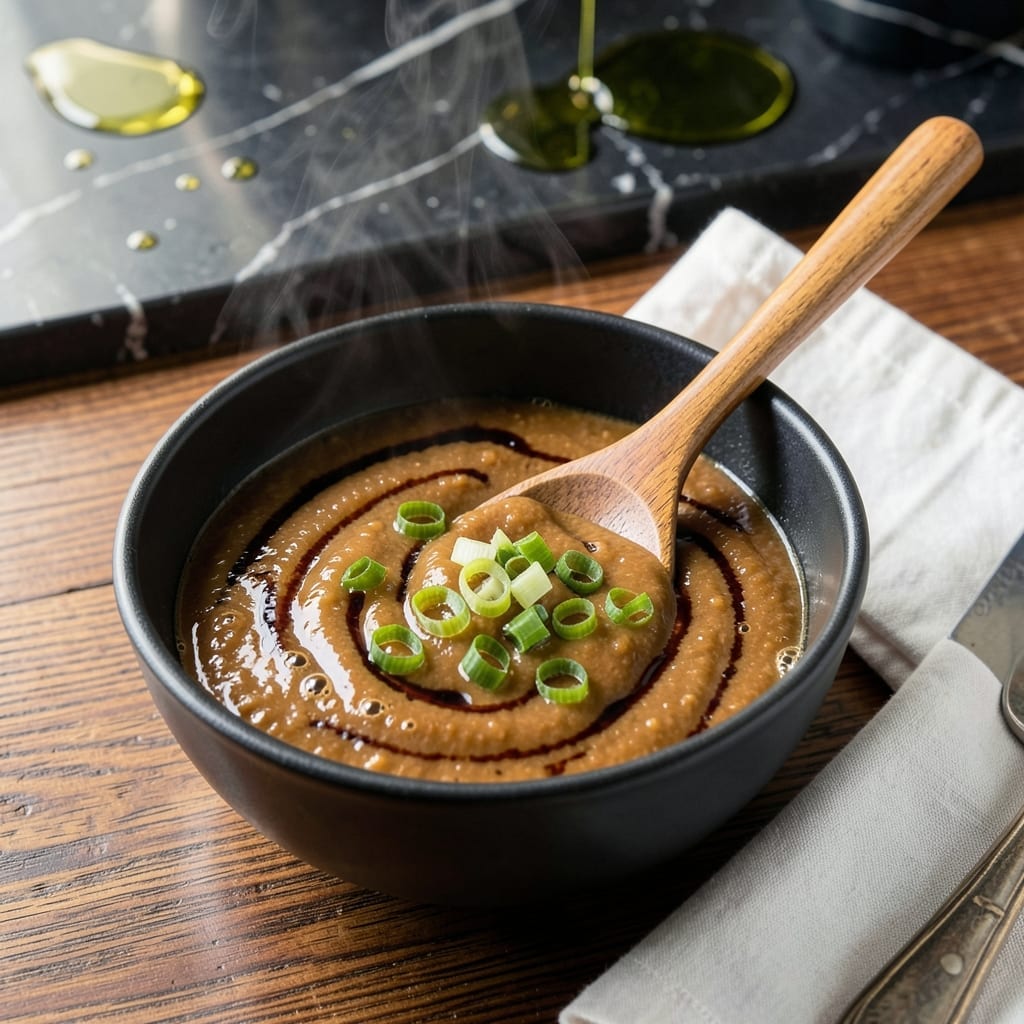
This thick, glossy sauce delivers the signature balance of sweet and savory that defines traditional eel sauce. A simple combination of sugar and soy sauce creates that perfect caramelized consistency without needing mirin.
The result is a versatile condiment that elevates sushi, grilled meats, or even as a dipping sauce. Store in an airtight container for up to two weeks in the refrigerator.
Ingredients for Eel Sauce Recipe Without Mirin
Six ingredients create this glossy, sweet-savory sauce perfect for sushi or grilling.
| Ingredient | Amount | Notes |
|---|---|---|
| Granulated Sugar 🍚 | ½ cup | White sugar preferred for consistency |
| Soy Sauce 🫙 | ½ cup | Use high-quality Japanese soy |
| Water 💧 | ¼ cup | For adjusting thickness |
| Rice Vinegar 🍶 | 1 tbsp | Balances sweetness with acidity |
| Cornstarch 🌾 | 1 tsp | Slurry for thickening |
| Dashi Stock 🍲 | 2 tbsp | Optional for umami depth |
[recipe_ingredient_scaler]
The soy sauce is non-negotiable—Kikkoman or Yamasa for authentic flavor. Granulated sugar dissolves faster than brown, ensuring that smooth, caramelized finish. Japanese markets carry the best rice vinegar, but any mild vinegar works. Water is just for consistency, so use filtered if your tap water has a strong taste. Dashi stock adds depth, but it’s optional if you’re in a pinch.
No rice vinegar? Apple cider vinegar at half the amount works in a bind. Brown sugar can replace white, but it’ll darken the sauce. For a gluten-free version, tamari instead of soy sauce. Cornstarch is the standard thickener, but arrowroot powder works too—just mix it with cold water first. Skip the dashi? A pinch of MSG or fish sauce (if not strict vegetarian) adds umami.
This keeps in the fridge for 2-3 weeks in a sealed jar. The sauce thickens as it cools—reheat with a splash of water to loosen. Freezing isn’t recommended; the texture separates. Always stir before using, as the sugar can settle slightly over time.
Why You’ll Love This Recipe
- 5-Minute Magic: I toss sugar, soy, and vinegar in a pan, and the cornstarch thickens it in a flash.
- Sweet-Savory Balance: Honestly, the rice vinegar cuts the soy’s saltiness just enough to make it dangerously addictive.
- Drizzle on Everything: I’ve used it on sushi, grilled chicken, even roasted veggies—it’s my secret weapon for flavor.
- Pantry Staples Only: No special trips to the store; sugar, soy, and vinegar are already in my kitchen.
Step-by-Step Instructions for Eel Sauce Without Mirin
This straightforward method ensures a perfectly balanced sweet-savory glaze every time.
Step 1: Combine Base Ingredients
In a medium saucepan, add the 0.5 cup granulated sugar, 0.5 cup soy sauce, 0.25 cup water, and 1 tbsp rice vinegar. Stir gently over medium heat until the sugar fully dissolves. This initial heating ensures the ingredients blend seamlessly without burning.
Watch for the mixture to just begin simmering around the edges. At this stage, the sugar should be completely incorporated, and the liquid will take on a glossy sheen. Avoid bringing it to a full boil at this point—you want gradual integration of flavors.
Step 2: Simmer for Flavor Concentration
Once the sugar dissolves, continue cooking over medium-low heat for 8-10 minutes. The sauce should reduce by about one-third, becoming slightly thicker and more concentrated in flavor. Stir occasionally to prevent hot spots from forming.
You’ll notice the aroma deepening as the soy sauce caramelizes with the sugar. The liquid will coat the back of a spoon but still flow freely. This is where the magic happens—the sweetness of the sugar and the umami of the soy sauce begin to meld into that characteristic eel sauce profile.
Step 3: Create and Add the Thickening Slurry
In a small bowl, whisk together the 1 tsp cornstarch with the 2 tbsp dashi stock until completely smooth. This creates a lump-free slurry that will thicken the sauce without altering its flavor. The dashi stock adds subtle depth, but water works equally well if preferred.
Slowly pour the slurry into the simmering sauce while whisking continuously. The mixture will immediately begin to thicken. Continue cooking for 2-3 minutes until the sauce reaches your desired consistency—it should coat the back of a spoon thickly but still be pourable.
Step 4: Cool and Store
Remove the saucepan from heat and let the sauce cool to room temperature. It will thicken slightly more as it cools. Transfer to a clean glass jar or airtight container once completely cooled.
The finished sauce should have a deep amber color and a glossy sheen. When stored in the refrigerator, it will keep for up to 2 weeks. Before using, give it a good stir as it may separate slightly during storage.
Pro Tips For Making Eel Sauce Recipe Without Mirin
- Simmer, Don’t Boil: Keep the heat at a gentle simmer—boiling makes the sauce too thick and can cause the sugar to crystallize. I learned this the hard way after my first batch turned into a sticky, lumpy mess.
- Dissolve Cornstarch First: Mix the cornstarch with a splash of cold water before adding it to the sauce. Sounds weird, but it works: it prevents clumps and gives you that smooth, glossy finish every time.
- Balance the Vinegar: Rice vinegar is your mirin substitute here, so use just enough to cut the sweetness—about 1 tablespoon per ¼ cup sugar. After burning three batches, I finally figured out that too much makes it taste harsh.
- Strain for Smoothness: Run the finished sauce through a fine-mesh strainer. My grandmother swore by this, and she was right: it catches any undissolved sugar or cornstarch for a silky texture.
Pro Cooking Tips for Great eel sauce recipe without mirin
💡 Heat Control
Mastering the heat is crucial for a smooth, glossy eel sauce without mirin. Start by simmering your mixture over medium-low heat to avoid scorching the sugar. Too high of a temperature can cause the sauce to thicken too quickly, leading to a lumpy texture. Stir frequently to ensure even cooking and a silky finish.
✨ Flavor Boosters
Since mirin is missing, boost umami with a splash of rice vinegar or a pinch of dashi powder. These add depth without overpowering the sauce. For a richer taste, let the sauce reduce slowly—10-15 minutes of gentle simmering concentrates the flavors beautifully.
🎯 Texture Tips
For a velvety texture, strain the sauce through a fine-mesh sieve after cooking. This removes any undissolved sugar or soy chunks. If the sauce thickens too much, thin it with 1-2 teaspoons of warm water and stir until smooth. Consistency is key for that perfect drizzle!
🌡️ Storage Secrets
Let the sauce cool completely before storing it in an airtight container. It keeps for up to 2 weeks in the fridge. For longer storage, freeze in small portions and thaw gently on the stovetop. Reheat with a splash of water to restore its glossy sheen.
Nutrition Facts

Trained in classic French technique but raised on slow-cooked ribs and spicy rubs, she blends culinary skill with smoke and soul.
- Recipe for Boneless Pork Chops in Cast Iron Skillet: Sear and Baste to Juicy Perfection - October 3, 2026
- Recipe for Boneless Cross Rib Roast: Slow-Roasted Beef with Herb Crust - October 3, 2026
- Hamburgers in Sauce Recipe Crock Pot: Slow-Cooked Savory Delight - October 3, 2026