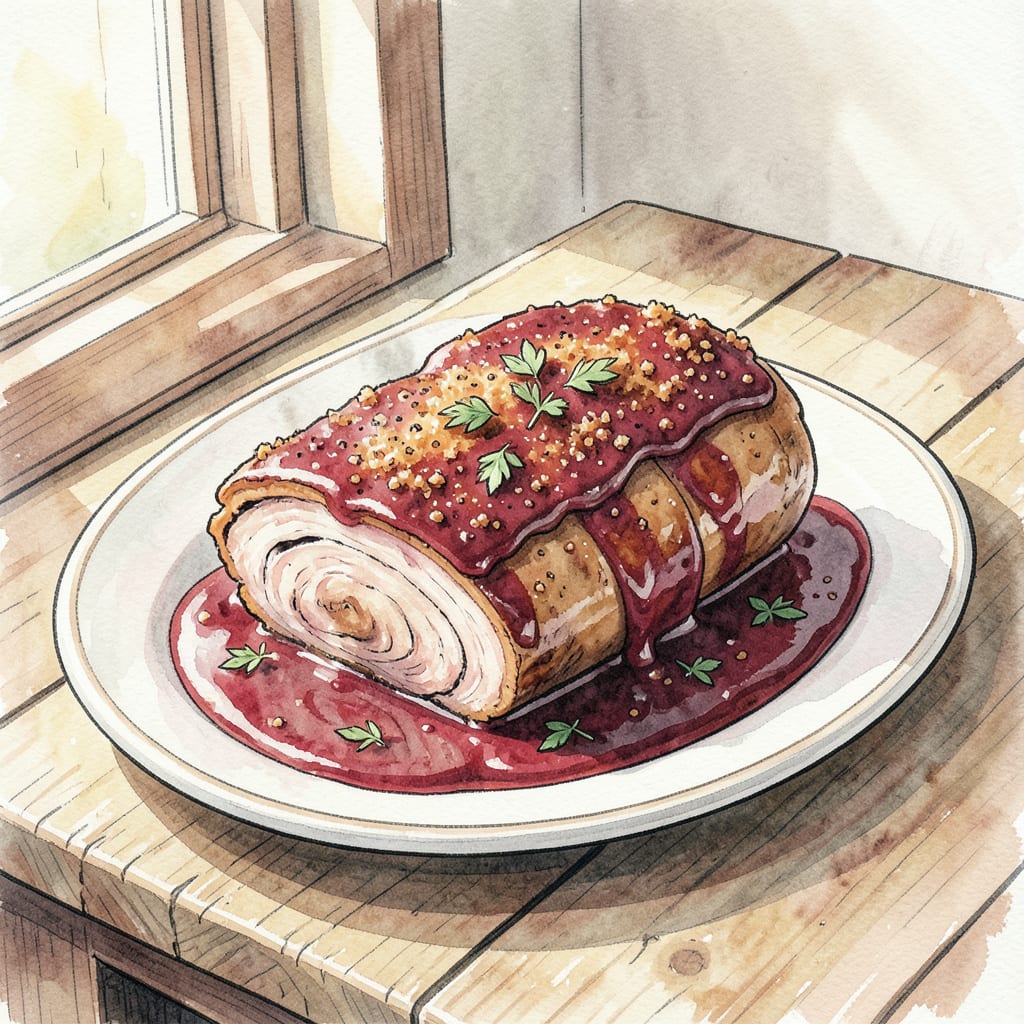
I’ve spent years perfecting my electric smoker technique, and I’m excited to share my secrets for achieving tender, smoky masterpieces every time. With my fire-loving pitmaster background and classic French training, I’ve developed a unique approach that blends traditional BBQ with modern convenience.
Using my electric smoker, I can achieve consistently tender results with minimal effort. Whether you’re a seasoned pitmaster or just starting out, these recipes will help you create mouth-watering BBQ that’s sure to impress. Let’s get started and explore the world of electric smoker BBQ together!
Ingredients for Electric Smoker Bbq Recipes
Tender, smoky BBQ starts with quality ingredients. Let’s get smoking with these essentials.
| Ingredient | Amount | Notes |
|---|---|---|
| Pork Shoulder 🥩 | 2 lb | Boneless, skin removed |
| Dry Rub 🌶️ | ¼ cup | Homemade or store-bought |
| Wood Chips 🌲 | 2 cups | Hickory or apple wood |
| Barbecue Sauce 🍯 | 1 cup | For glazing, optional |
| Brown Sugar 🍮 | 2 tbsp | For dry rub |
| Smoked Paprika 🌶️ | 1 tbsp | For smoky flavor |
| Garlic Powder 🧄 | 1 tsp | For dry rub |
| Onion Powder 🧅 | 1 tsp | For dry rub |
| Salt 🧂 | 1 tbsp | Kosher salt preferred |
| Black Pepper 🌶️ | 1 tsp | Freshly ground |
| Apple Cider Vinegar 🍎 | ½ cup | For mop sauce, optional |
[recipe_ingredient_scaler]
For the best results, choose a boneless pork shoulder with a good fat cap. I’ve had great success with 2-3 pound shoulders. If you’re new to electric smoking, consider starting with a smaller cut to get the hang of it. The dry rub is where you can get creative—mix and match spices to find your perfect blend. I like to use a combination of brown sugar for sweetness and smoked paprika for that deep smoky flavor.
Don’t be afraid to experiment with different wood chip flavors. Hickory is classic, but apple or cherry can add a nice twist. If you’re using a mop sauce, apple cider vinegar adds a nice tanginess. For the barbecue sauce, you can use store-bought or make your own—whatever suits your style. When it comes to the dry rub, feel free to adjust the ratios to suit your taste.
Leftover BBQ? No problem! It reheats beautifully in the fridge for up to 5 days. You can also freeze it for 3 months. I like to portion mine into containers so lunches are sorted for the week. When you’re ready to reheat, just thaw overnight in the fridge and reheat slowly in the smoker or oven.
Step-by-Step Instructions for Electric Smoker BBQ
Here’s the method for tender, smoky BBQ perfection using your electric smoker.
Step 1: Prepare the Pork Shoulder
Start by trimming any excess fat from the 2 lb Pork Shoulder if needed, though leaving some fat helps keep the meat moist. I like to pat the shoulder dry with paper towels to help the 0.25 cup Dry Rub adhere better. Apply the dry rub evenly to all surfaces of the pork shoulder, making sure to coat it thoroughly. The dry rub contains 2 tbsp Brown Sugar, 1 tbsp Smoked Paprika, 1 tsp Garlic Powder, 1 tsp Onion Powder, 1 tbsp Salt, and 1 tsp Black Pepper, giving it a complex flavor profile.
Let the rubbed pork shoulder sit at room temperature for 30 minutes before smoking to allow the meat to relax and absorb the flavors. This step is crucial for achieving that tender, fall-apart texture.
Step 2: Set Up Your Electric Smoker
Preheat your electric smoker to 225°F, using 2 cups Wood Chips according to the manufacturer’s instructions. I prefer using hickory or apple wood chips for their robust, fruity flavor that complements pork beautifully. Once the smoker is ready and producing smoke, place the pork shoulder inside, fat side up if it has a fat cap. Close the lid and let it smoke undisturbed for 8 hours or until it reaches an internal temperature of 195°F.
During the last hour of smoking, you can start preparing the mop sauce by mixing 0.5 cup Apple Cider Vinegar with a bit of water if you prefer a thinner consistency. This step is optional but adds another layer of moisture and flavor.
Step 3: Glaze and Rest the Pork
After 8 hours of smoking, check the internal temperature. If it’s reached 195°F, it’s time to glaze. Brush 1 cup Barbecue Sauce evenly over the surface of the pork shoulder. Return it to the smoker for another 15-20 minutes until the sauce is caramelized and sticky. Remove the pork from the smoker and let it rest for 15-20 minutes before slicing. This resting period allows the juices to redistribute, making the pork even more tender and flavorful.
Slice the pork against the grain into thick chunks or shred it with forks, depending on your preference. Serve with additional barbecue sauce on the side if desired. The result should be tender, smoky, and full of rich, complex flavors.
Health Benefits of This Recipe
Nutritional Power of BBQ
Electric smoker BBQ isn’t just about rich flavors – it’s also packed with nutrients. A typical 3-ounce serving of pulled pork provides about 25 grams of protein, which is essential for muscle repair and maintenance. The slow cooking process breaks down connective tissues, making the protein more accessible to your body.
Micronutrient Benefits
When you use a dry rub with various spices, you’re not just adding flavor – you’re also getting additional nutritional benefits. For instance, 1 tablespoon of smoked paprika contains antioxidants and vitamins. Garlic powder adds a boost of vitamin B6, while 1 teaspoon of black pepper enhances nutrient absorption. The spices in your dry rub can provide anti-inflammatory benefits.
Healthier Cooking Method
Using an electric smoker allows for low-and-slow cooking at temperatures between 225-250°F. This gentle heat helps preserve nutrients that might be lost with high-heat cooking methods. The slow cooking process also makes the meat more tender and easier to digest. I’ve found that this method consistently produces tender results.
Portion Control and Balance
While BBQ can be calorie-dense due to the fat content in meats like pork shoulder, you can manage portions effectively. Serving sizes of 3-4 ounces (about the size of a deck of cards) help maintain a balanced meal. Pairing your BBQ with vegetables or a fresh salad creates a more balanced nutritional profile. This approach allows you to enjoy the rich flavors while maintaining a healthy diet.
Customization for Dietary Needs
The beauty of making your own BBQ lies in customization. You can adjust the dry rub to reduce sodium by using less salt or substituting with potassium chloride alternatives. For those watching sugar intake, you can modify the barbecue sauce or dry rub to reduce sweeteners. I’ve experimented with different spice blends to create versions that suit various dietary needs while maintaining great flavor.
Long-term Health Considerations
Regular consumption of BBQ, when balanced with other nutrient-dense foods, can be part of a healthy diet. The omega-3 fatty acids from wood smoke (when using certain types of wood) may provide additional health benefits. However, it’s essential to maintain variety in your diet to ensure you’re getting a broad range of nutrients. Moderation is key, as with any rich or savory food.
Nutrition Facts

Trained in classic French technique but raised on slow-cooked ribs and spicy rubs, she blends culinary skill with smoke and soul.
- Recipe for Boneless Pork Chops in Cast Iron Skillet: Sear and Baste to Juicy Perfection - October 3, 2026
- Recipe for Boneless Cross Rib Roast: Slow-Roasted Beef with Herb Crust - October 3, 2026
- Hamburgers in Sauce Recipe Crock Pot: Slow-Cooked Savory Delight - October 3, 2026