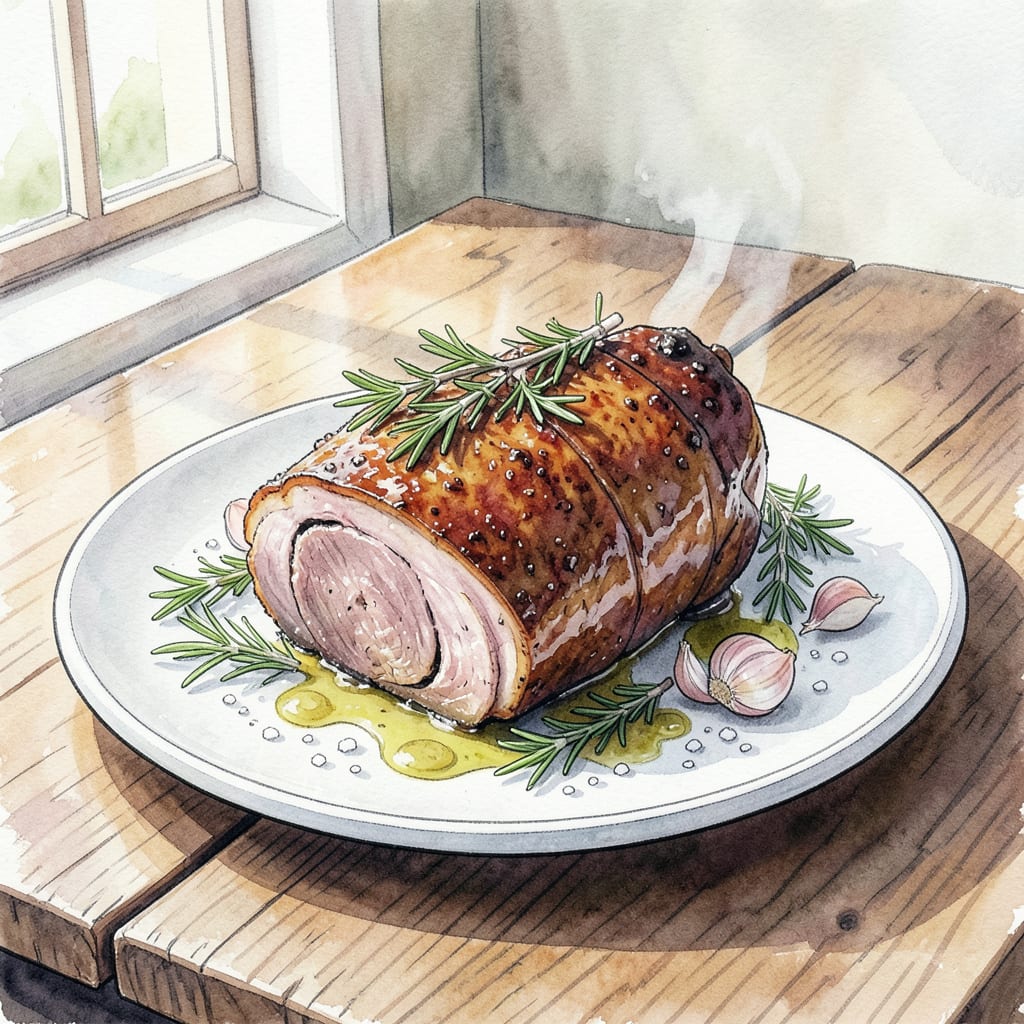
As a pitmaster, I’ve perfected the art of cooking tender and flavorful game meat. This elk roast recipe delivers a masterpiece that’s sure to impress. With a blend of professional culinary skill and smoke-cooking tradition, you’ll achieve a deliciously tender roast.
The key to this recipe is slow cooking the elk roast to perfection. By using a combination of aromatic spices and a precise temperature control, you’ll end up with a tender and juicy roast that’s full of flavor. Let’s get started!
Ingredients for Elk Roast
Gather ingredients for a tender elk roast that’s sure to impress your guests.
| Ingredient | Amount | Notes |
|---|---|---|
| Elk Roast 🥩 | 2 ½ lb | Preferably prime cut, trimmed of excess fat |
| Olive Oil 🫒 | ¼ cup | Extra-virgin for richness |
| Garlic Cloves 🧄 | 4 cloves | Peeled, minced |
| Fresh Rosemary 🌿 | 2 tbsp | Chopped, fresh preferred |
| Fresh Thyme 🌿 | 1 tbsp | Chopped, fresh preferred |
| Salt 🧂 | 1 tbsp | Kosher or sea salt |
| Black Pepper 🌶️ | 2 tsp | Freshly ground preferred |
| Onion 🧅 | 1 whole | Sliced into wedges |
| Beef Broth 🍜 | 1 cup | Low-sodium preferred |
| Red Wine 🍷 | ½ cup | Dry red, such as Cabernet or Merlot |
| Brown Sugar 🍮 | 1 tbsp | Packed lightly |
| Worcestershire Sauce 💧 | 2 tbsp | Adds depth, use sparingly |
[recipe_ingredient_scaler]
For the best results, choose a prime cut of elk roast and trim any excess fat. I prefer to source my elk from local butchers or reputable game meat suppliers. Fresh herbs make a big difference—farmers markets often have the best selection. If you’re using frozen elk, ensure it’s fully thawed before cooking.
No red wine? Substitute with additional beef broth or a splash of balsamic vinegar for depth. Fresh thyme and rosemary are ideal, but you can use dried herbs at one-third the amount if needed. For a different flavor profile, try using different types of wood chips for smoking, such as hickory or applewood.
This roast keeps beautifully—store leftovers in an airtight container in the fridge for up to 4 days. You can also freeze it for up to 3 months. Reheat gently in the oven with a bit of extra broth to keep it moist.
Step-by-Step Instructions for Elk Roast
Let’s get this elk roast to perfection with a straightforward, tried-and-true method.
Step 1: Prep the Elk Roast
Start by preheating your oven to 325°F. While that’s heating up, take the 2.5 lb Elk Roast and pat it dry with paper towels. I like to make sure it’s good and dry so the seasoning sticks. Next, rub the roast all over with 0.25 cup Olive Oil, making sure it’s fully coated. This helps the seasoning adhere and promotes even browning.
Now it’s time for the seasoning. Mix together 1 tbsp Salt, 2 tsp Black Pepper, 2 tbsp Fresh Rosemary, and 1 tbsp Fresh Thyme in a small bowl. The aroma of these herbs is incredible as they mingle with the elk. Sprinkle this mixture evenly over the roast, pressing it gently into the meat to ensure it sticks. You’ll see the 4 cloves Garlic Cloves are minced and added to this mix for an extra depth of flavor.
Step 2: Sear the Roast
Heat a large Dutch oven or oven-safe pot over high heat. Add a bit more Olive Oil if needed, just enough to coat the bottom. Sear the elk roast on all sides until it’s nicely browned, about 2-3 minutes per side. This step is crucial for developing that rich flavor. Once browned, remove the roast from the pot and set it aside.
In the same pot, add 1 whole Onion, sliced into wedges. Let it cook for about 5 minutes, stirring occasionally, until it’s nicely caramelized. This adds a sweet depth to the dish. Now, pour in 0.5 cup Red Wine, scraping up any browned bits from the bottom of the pan. The wine will reduce slightly, intensifying the flavor.
Step 3: Roast to Perfection
Return the elk roast to the pot, nestling it among the onions. Pour in 1 cup Beef Broth and add 2 tbsp Worcestershire Sauce. The liquid should come about halfway up the roast. Cover the pot with a lid and transfer it to the preheated oven.
Roast the elk for about 2-3 hours, or until it reaches your desired level of doneness. I use a meat thermometer to check for medium-rare, aiming for an internal temperature of 130-135°F. Once it’s done, remove the pot from the oven and let the roast rest for 15-20 minutes before slicing. This resting period is key to letting the juices redistribute, making the meat tender and flavorful.
Step 4: Finish with a Rich Glaze
While the roast is resting, strain the juices from the pot into a small saucepan, discarding the solids. Skim off any excess fat, then add 1 tbsp Brown Sugar to the juices. Bring this mixture to a simmer over medium heat and let it reduce until it’s thick and syrupy, about 10-15 minutes. This glaze will add a beautiful sheen and a burst of flavor to the finished dish.
Slice the rested elk roast against the grain and serve with the rich glaze spooned over the top. The combination of tender, flavorful meat and that sweet, savory glaze is just incredible. Enjoy your masterpiece!
Health Benefits of This Dish
Nutritional Powerhouse
Elk meat is an excellent source of high-quality protein, containing all nine essential amino acids your body needs. A 3-ounce serving provides about 22 grams of protein, making it ideal for muscle building and repair. I appreciate how lean elk is compared to beef.
Rich in Essential Minerals
Elk is particularly rich in iron and zinc, minerals crucial for healthy red blood cells and immune function. The iron in elk is particularly bioavailable, meaning your body can absorb it more easily than from plant sources. A serving can provide up to 25% of your daily iron needs. 💪
Lower in Fat
Compared to traditional beef, elk meat is naturally leaner, containing less marbling and therefore fewer calories. This makes it an excellent choice for those watching their fat intake without sacrificing protein. The lower fat content also means you’ll want to be careful not to overcook it. 🔥
Good Source of B Vitamins
Like other red meats, elk is a good source of B vitamins, particularly B12 and niacin. These vitamins play crucial roles in energy production and maintaining healthy nerve cells. The B vitamins in elk help convert food into energy more efficiently.
Heart Health Considerations
While elk is leaner than many other red meats, the saturated fat content can still impact heart health if consumed in large quantities. Balance your meal with plenty of vegetables and whole grains to create a heart-healthy plate. I like to pair my elk roast with roasted root vegetables for a nutritious meal.
Nutrition Facts
540kcal

Trained in classic French technique but raised on slow-cooked ribs and spicy rubs, she blends culinary skill with smoke and soul.
- Recipe for Boneless Pork Chops in Cast Iron Skillet: Sear and Baste to Juicy Perfection - October 3, 2026
- Recipe for Boneless Cross Rib Roast: Slow-Roasted Beef with Herb Crust - October 3, 2026
- Hamburgers in Sauce Recipe Crock Pot: Slow-Cooked Savory Delight - October 3, 2026