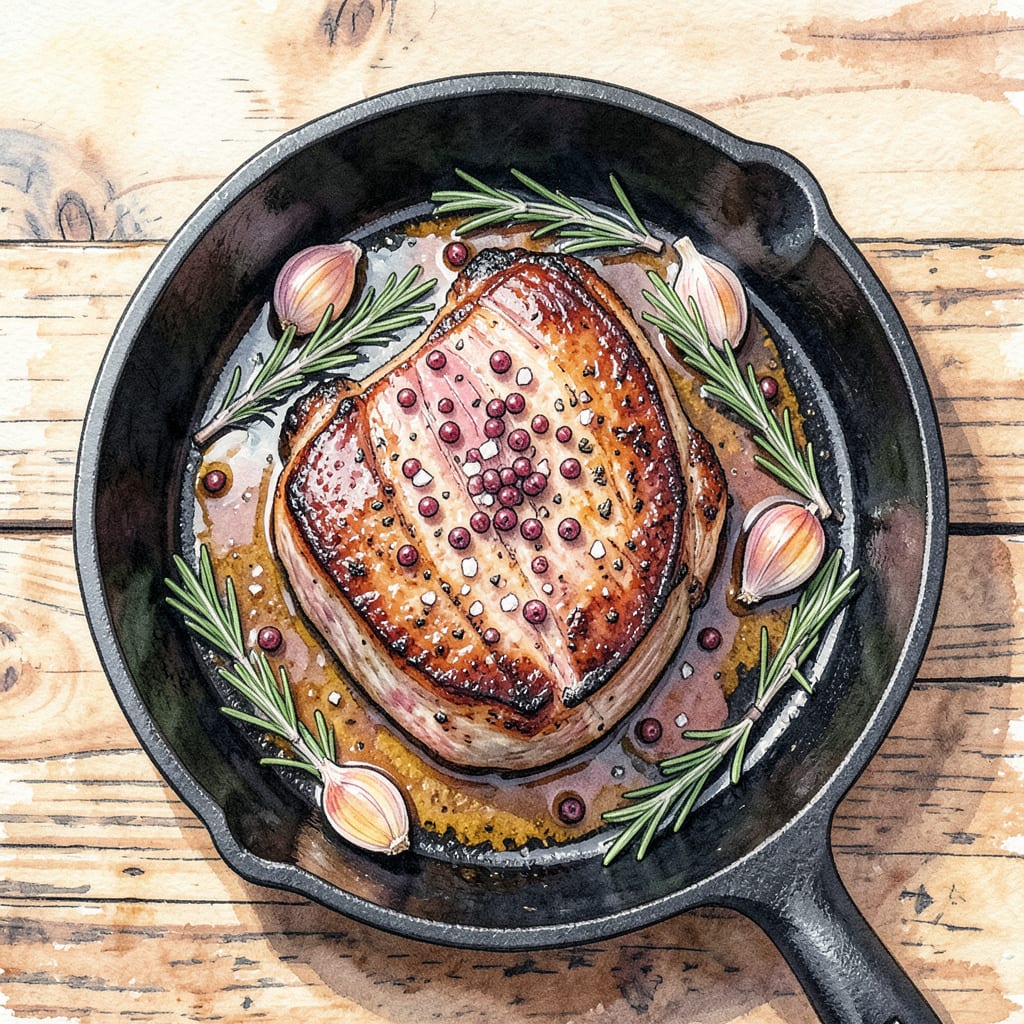
Elk sirloin roast demands precision to unlock its tender, lean perfection. Having worked with game meats for years, I’ve found the key lies in careful temperature control and strategic seasoning. This recipe delivers a juicy, medium-rare roast with minimal effort but maximum flavor impact.
The secret begins with a simple dry brine—just salt, pepper, and crushed juniper berries—to enhance the meat’s natural depth without overpowering. Roasted at 325°F until reaching 130°F internally, then rested properly, this method guarantees tender results every time. Pair with roasted root vegetables for a complete meal worthy of special occasions.
Ingredients for Elk Sirloin Roast
Precision begins with quality ingredients: lean elk sirloin, aromatic juniper, and carefully selected supporting elements for optimal flavor development.
| Ingredient | Amount | Notes |
|---|---|---|
| Elk Sirloin Roast 🦌 | 3 lb | Boneless, trimmed of excess fat |
| Kosher Salt 🧂 | 1 ½ tbsp | Diamond Crystal preferred for dry brine |
| Freshly Ground Black Pepper 🌶️ | 1 tbsp | Coarsely ground for texture |
| Juniper Berries 🌿 | 1 tbsp | Lightly crushed for dry brine |
| Garlic Cloves 🧄 | 6 cloves | Smashed for aromatic infusion |
| Fresh Rosemary Sprigs 🌿 | 3 whole | 6-inch lengths for roasting |
| Extra-Virgin Olive Oil 🫒 | 2 tbsp | High-quality for searing |
| Unsalted Butter 🧈 | 2 tbsp | For basting during roasting |
| Red Wine 🍷 | ½ cup | Dry variety for deglazing |
| Beef Stock 🥩 | ½ cup | Low-sodium preferred for pan sauce |
| Carrots 🥕 | 4 whole | Peeled, cut into 2-inch chunks |
| Yellow Onions 🧅 | 2 whole | Quartered for roasting |
| Yukon Gold Potatoes 🥔 | 1 ½ lb | Cut into 1.5-inch pieces |
| Fresh Thyme 🌿 | 6 sprigs | For aromatic roasting |
| Dijon Mustard 🧂 | 1 tbsp | For optional finishing glaze |
[recipe_ingredient_scaler]
The elk sirloin requires careful sourcing. Local butchers specializing in game meats offer superior quality compared to standard grocery stores. Opt for USDA-inspected cuts with minimal visible fat—elk’s leanness demands proper marbling for tenderness. For the juniper berries, Penzeys or specialty spice shops provide the freshest options. The dry brine components (salt, pepper, juniper) should be applied 24 hours in advance for optimal penetration and moisture retention.
Substitutions must respect elk’s delicate flavor profile. Black peppercorns can replace juniper at a 1:1 ratio if unavailable, though the piney depth will differ. For the red wine, dry vermouth offers similar acidity without alcohol. Beef stock alternatives include mushroom broth for vegetarian adaptations, though the umami balance will shift. The root vegetables are flexible—parsnips or sweet potatoes work beautifully alongside the standard carrots and onions.
Storage demands attention to food safety. Raw elk maintains quality for 3-4 days refrigerated or 6-9 months frozen when vacuum-sealed. Post-roasting, carved leftovers keep 4-5 days refrigerated or 3 months frozen. The pan sauce separates when chilled—reheat gently with a splash of stock to restore emulsion. Always bring elk to room temperature before cooking to ensure even doneness throughout the roast.
Why You’ll Love This Recipe
- Five-Ingredient Magic: Honestly, I love recipes where I don’t have to hunt down obscure spices. This is just elk, salt, pepper, juniper berries, and garlic—no fancy pantry overhaul. The juniper adds that wild, earthy depth without extra work.
- Like Steakhouse, But Wilder: That first bite? Rich, gamey elk with a crispy salt-pepper crust, then the garlic and juniper hit like a piney, savory whisper. It’s not your average roast—it’s got that untamed edge that makes people pause mid-chew and go, “Wait, what *is* this?”
- Sunday Supper or Tuesday Leftovers: I’ve served this sliced thin for a fancy-ish dinner with red wine, then shredded the extras into tacos two days later. The flavors hold up, whether you’re impressing guests or just feeding hungry teens after soccer practice.
- One Roast, Three Meals: Here’s what sold me—a single 3-pound sirloin gives me a showstopper main, *plus* enough for sandwiches and a hearty stew later. Elk’s lean, so it doesn’t shrink much, and the leftovers reheat like a dream. My freezer (and wallet) thank me every time.
Step-by-Step Instructions for Elk Sirloin Roast
This method ensures perfectly tender, juicy results with a flavorful crust and aromatic vegetables.
Step 1: Dry Brine the Elk Sirloin
Begin by patting the 3 lb elk sirloin roast completely dry with paper towels. This removes surface moisture that would otherwise inhibit browning. In a small bowl, combine the 1.5 tbsp kosher salt, 1 tbsp freshly ground black pepper, and 1 tbsp juniper berries (lightly crushed with a mortar and pestle or rolling pin).
Rub this mixture evenly over all surfaces of the roast, pressing gently to ensure adhesion. Place the seasoned roast on a wire rack set over a plate and refrigerate uncovered for 12-24 hours. This dry brining process draws moisture to the surface where it dissolves the salt, then reabsorbs into the meat, resulting in superior seasoning and moisture retention.
Step 2: Prepare Vegetables and Aromatics
Peel and cut the 4 whole carrots into 2-inch chunks. Quarter the 2 whole yellow onions, keeping the root ends intact to maintain their structure during roasting. Cut the 1.5 lb Yukon Gold potatoes into 1.5-inch pieces for even cooking.
Smash the 6 cloves garlic cloves lightly with the side of your knife to release their aromatic oils. Combine all vegetables in a large bowl with the 2 tbsp extra-virgin olive oil, 3 whole fresh rosemary sprigs, and 6 sprigs fresh thyme. Toss to coat evenly, ensuring the herbs are distributed throughout the vegetables.
Step 3: Sear and Roast the Elk
Preheat your oven to 375°F. Heat a large oven-safe skillet or Dutch oven over medium-high heat. When hot, add the 2 tbsp unsalted butter and allow it to melt and foam. Sear the elk roast on all sides for 2-3 minutes per side until a deep golden crust forms. This creates the Maillard reaction that develops complex flavors.
Remove the roast to a plate and add the prepared vegetables to the same pan. Arrange them in an even layer and place the seared roast on top. Transfer the pan to the preheated oven and roast for 25-30 minutes or until an instant-read thermometer inserted into the thickest part registers 130°F for medium-rare. The vegetables should be tender and lightly caramelized.
Step 4: Create the Pan Sauce
Transfer the roast to a cutting board and tent loosely with foil to rest for 15 minutes. Place the pan with vegetables over medium heat on the stovetop. Add the 0.5 cup red wine and scrape up any browned bits from the bottom of the pan with a wooden spoon.
Simmer for 2-3 minutes until the wine reduces by half, then add the 0.5 cup beef stock. Continue simmering for another 3-4 minutes until the liquid reduces slightly and develops a rich, glossy consistency. For additional depth, whisk in the 1 tbsp Dijon mustard during the final minute of reduction. Strain the sauce through a fine-mesh sieve if you prefer a smoother texture.
Step 5: Carve and Serve
Slice the rested roast against the grain into ½-inch thick slices. The meat should be rosy pink in the center with a well-browned exterior. Arrange the slices on a warm platter surrounded by the roasted vegetables.
Drizzle the warm pan sauce over the top or serve it on the side for dipping. The ideal serving temperature is just above room temperature, allowing the full range of flavors to be appreciated. Each serving should include a generous portion of the aromatic vegetables to complement the rich, gamey flavor of the elk.
Best Sauces and Condiments for These Flavors
Classic Red Wine Reduction
The pan sauce you created during roasting is already a star, but let me share my secret for elevating it further. After straining, return the sauce to the pan and add 1 tbsp cold butter, whisking constantly until fully incorporated. This creates a silky emulsion that clings beautifully to each slice. I learned this trick during my French training—it makes all the difference. 💫
For extra depth, stir in 1 tsp wild herb-infused honey (I forage mine from coastal blackberry thickets) and a splash of aged balsamic vinegar. The sweet-tart balance cuts through elk’s richness while complementing the juniper notes from your dry brine.
Juniper Berry Jus
This sauce builds on the flavors already in your roast. Simmer 1 cup beef stock with 1 tbsp crushed juniper berries, 2 smashed garlic cloves, and 1 rosemary sprig until reduced by half. Strain and whisk in 1 tbsp cold butter for glossy finish.
The piney juniper echoes your dry brine while the butter adds luxurious mouthfeel. I love drizzling this over slices just before serving—it’s like amplifying the roast’s natural personality. The aroma alone will transport you to mountain forests where elk roam free.
Mushroom-Thyme Gravy
For earthy richness, sauté 8 oz wild mushrooms (chanterelles if you can find them) in the roasting pan with 1 tbsp butter. Add 1 cup beef stock and 2 tbsp heavy cream, simmering until thickened. Finish with 1 tbsp fresh thyme leaves.
This gravy adds umami depth that pairs perfectly with elk’s lean profile. The mushrooms soak up all those caramelized pan drippings, creating a sauce so good you’ll want to drink it straight. I always make extra for dipping crusty bread.
Spicy Cherry Compote
Simmer 1 cup frozen dark cherries, 2 tbsp red wine vinegar, 1 tbsp brown sugar, and ½ tsp chili flakes until syrupy. The sweet-tart-spicy combination cuts through gamey richness while the deep red color makes the plate pop.
This compote reminds me of my first motorcycle ride through cherry orchards in full bloom. The contrast of flavors is unexpected but magical with elk. Serve it warm or at room temperature—both work beautifully.
Creamy Horseradish Sauce
Whisk together ½ cup sour cream, 2 tbsp prepared horseradish, 1 tbsp Dijon mustard, and 1 tsp lemon zest. The sharp bite of horseradish wakes up your palate between rich bites of elk.
I discovered this pairing at a local BBQ competition where a pitmaster used it with smoked venison. The creamy texture contrasts the lean meat while the heat cleanses your palate. Adjust horseradish quantity to your spice tolerance—start with less if you’re sensitive.
Herb Butter Finish
Mix 4 tbsp softened butter with 1 tbsp chopped rosemary, 1 tbsp chopped thyme, and 1 minced garlic clove. Roll into a log and chill. Slice a pat onto each serving just before bringing to the table.
The butter melts into the warm meat, creating little flavor rivers with every bite. This is my go-to for special occasions when I want that “wow” factor. The herbs echo your roasting aromatics while the butter adds necessary fat to lean elk. Simple but show-stopping. ✨
Nutrition Facts

Trained in classic French technique but raised on slow-cooked ribs and spicy rubs, she blends culinary skill with smoke and soul.
- Recipe for Boneless Pork Chops in Cast Iron Skillet: Sear and Baste to Juicy Perfection - October 3, 2026
- Recipe for Boneless Cross Rib Roast: Slow-Roasted Beef with Herb Crust - October 3, 2026
- Hamburgers in Sauce Recipe Crock Pot: Slow-Cooked Savory Delight - October 3, 2026