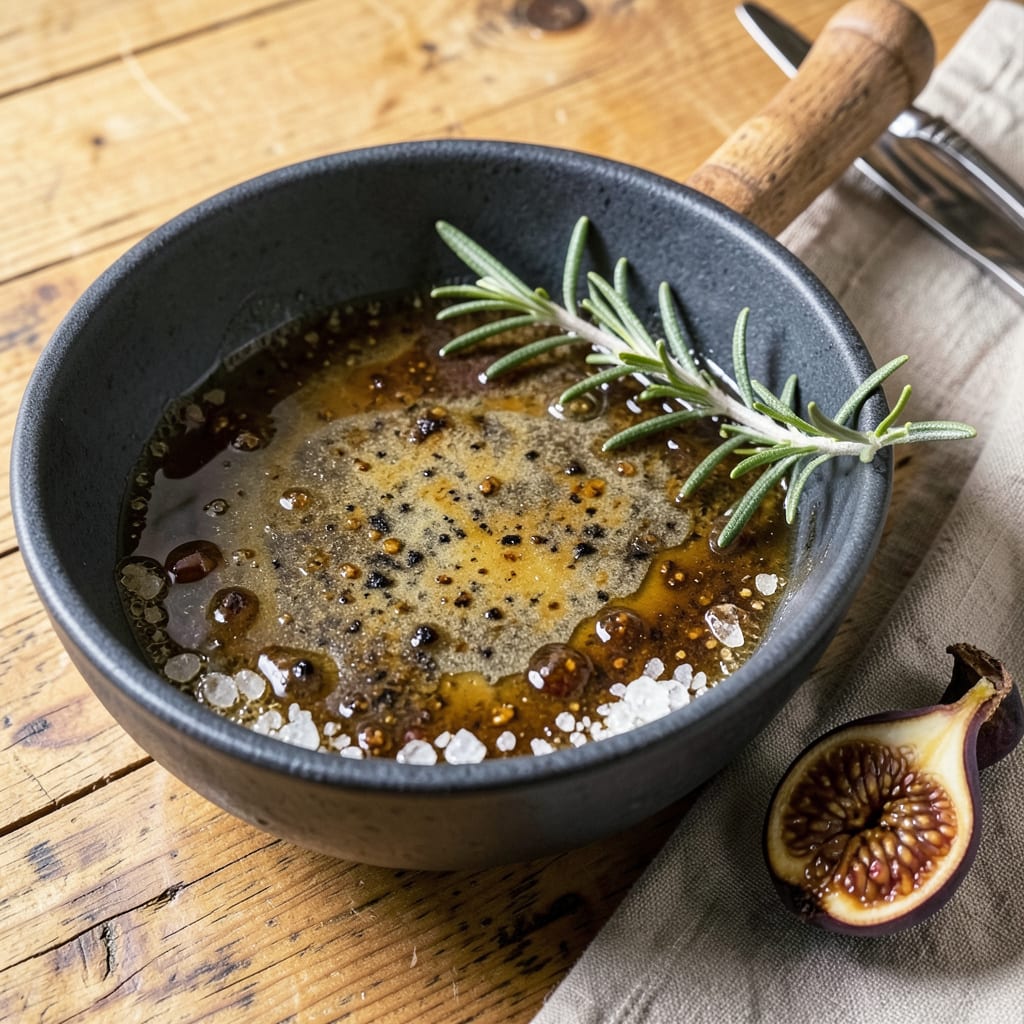
Balsamic vinegar rarely spoils but can degrade in quality over time. Check for mold, cloudiness, or off smells—if present, discard it. Unopened, it lasts 3-5 years; opened, 1-2 years with proper storage.
What many people don’t realize is that balsamic vinegar’s longevity comes from its high acidity, which naturally inhibits bacterial growth. 🔥 I’ve seen bottles last decades when stored properly, though the complex flavors will gradually fade. The real risk isn’t spoilage but quality loss—think of it like wine that’s past its prime. Once opened, oxygen exposure starts breaking down those rich, caramelized notes you paid for, so tight sealing becomes crucial.
💡 In This Article
- Signs Your Balsamic Vinegar Has Gone Bad
- How to Store Balsamic Vinegar for Maximum Shelf Life
Signs Your Balsamic Vinegar Has Gone Bad
The first red flag is always visible mold growth—those fuzzy green, white, or black spots floating on the surface or clinging to the bottle’s interior. Unlike harmless sediment that naturally settles in aged balsamic, mold indicates contamination and means you should discard it immediately.
I’ve seen this happen most often with improperly sealed bottles where air and moisture create a breeding ground for spores. 🔥
Next, examine the liquid’s clarity and texture. Fresh balsamic should be glossy and pour smoothly, while spoiled vinegar often develops cloudiness or stringy sediment that doesn’t dissolve when shaken. The viscosity changes too—expired vinegar may become unnaturally thick or syrupy due to evaporation and sugar concentration.
A healthy balsamic maintains its balance between acidity and sweetness, but degradation tips this scale.
Your nose knows best when it comes to detecting spoilage. High-quality balsamic should smell rich and slightly sweet with woody undertones. If you detect sharp, chemical-like odors or a rancid smell reminiscent of nail polish remover, the acetic acid has broken down improperly.
This happens when oxygen exposure triggers excessive fermentation, creating volatile compounds that ruin the flavor profile. ✨
The taste test reveals the most about quality degradation. While not dangerous, expired balsamic loses its complex caramelized notes and balanced acidity. You might notice a flat, one-dimensional sourness or an unpleasant bitterness that lingers.
The signature “sweet-tart” harmony fades as the grape must base oxidizes—similar to how old wine turns to vinegar, but in reverse. Properly stored balsamic should still taste vibrant even after years.
Pay special attention to the bottle’s interior walls. Sticky residue or crystalline deposits suggest sugar separation and concentration, which alters both flavor and texture. This often occurs when vinegar is stored in warm environments or exposed to temperature fluctuations. The dark color may also lighten significantly as pigments break down over time. 💫
Remember that true balsamic vinegar (Aceto Balsamico Tradizionale) behaves differently than commercial versions. The traditional product’s higher grape must content and aging process make it more stable, while mass-produced versions with additives may spoil faster. When in doubt, compare against a fresh bottle—your senses will spot the differences immediately.
One pro tip from my kitchen: if you’re unsure, try reducing a small amount in a pan. Good balsamic will thicken into a glossy syrup with concentrated flavor, while expired vinegar will separate or develop off-putting aromas during heating. This quick test reveals what your senses might miss in the bottle. ⚡

Trained in classic French technique but raised on slow-cooked ribs and spicy rubs, she blends culinary skill with smoke and soul.
- Recipe for Boneless Pork Chops in Cast Iron Skillet: Sear and Baste to Juicy Perfection - October 3, 2026
- Recipe for Boneless Cross Rib Roast: Slow-Roasted Beef with Herb Crust - October 3, 2026
- Hamburgers in Sauce Recipe Crock Pot: Slow-Cooked Savory Delight - October 3, 2026