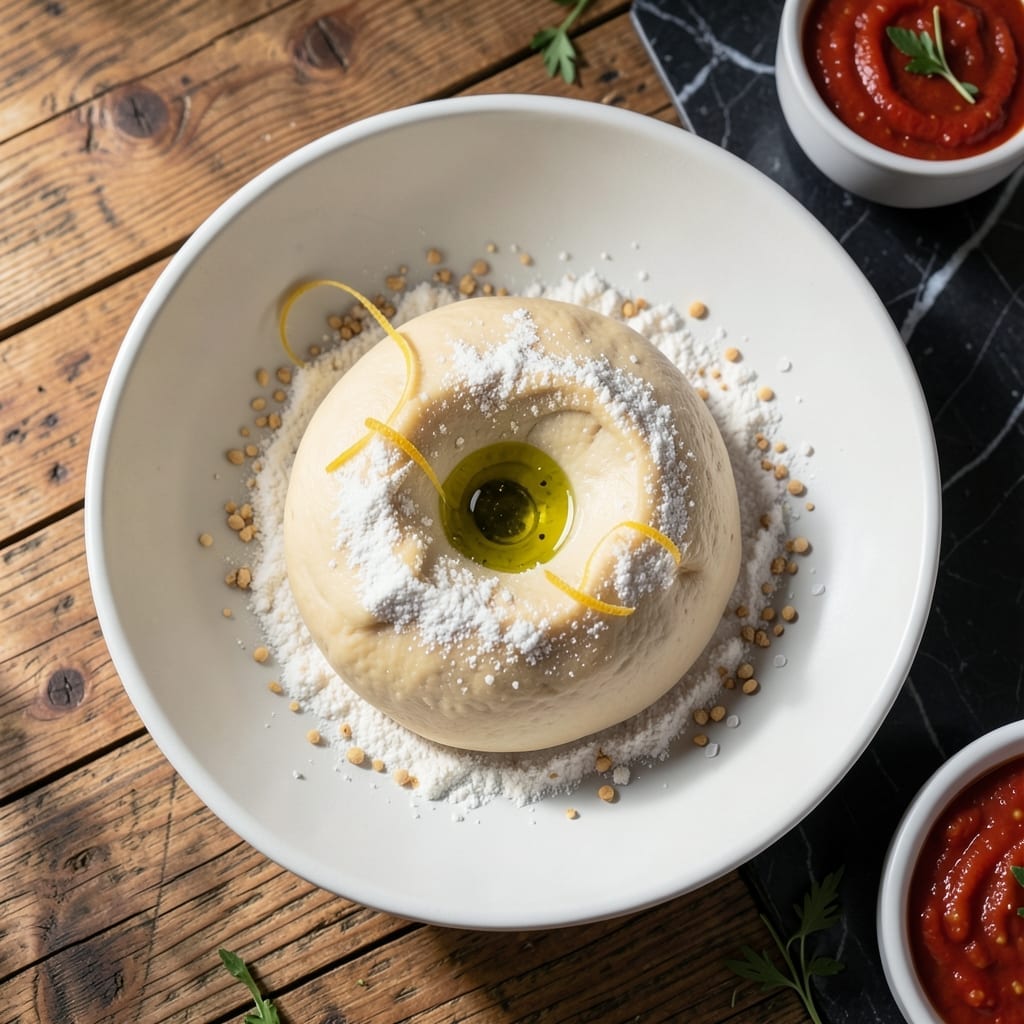
I’ve perfected a no-egg pasta dough that produces silky strands using just flour and water, ideal for extrusion. This method delivers consistent, smooth results every time.
The key lies in precise hydration and proper kneading to develop the gluten structure needed for extrusion. Resting the dough ensures it relaxes, making it easier to push through the machine.
With this technique, you’ll achieve restaurant-quality pasta at home without eggs. The texture is firm yet tender, holding its shape beautifully when cooked.
Perfect for vegan diets or anyone looking to master the fundamentals of fresh pasta. Let’s begin.
Ingredients for Extruded Pasta Dough Recipe No Egg
Minimal ingredients, maximum texture. Perfect for vegan pasta lovers and purists alike.
| Ingredient | Amount | Notes |
|---|---|---|
| Type 00 Flour 🌾 | 2 cups | All-purpose flour works too |
| Semolina Flour 🌾 | ½ cup | For texture and bite |
| Water 💧 | ¾ cup | Room temperature preferred |
| Sea Salt 🧂 | 1 tsp | Fine grain for even distribution |
| Extra-Virgin Olive Oil 🫒 | 1 tbsp | Optional for elasticity |
| Durum Wheat Flour 🌾 | ½ cup | Enhances chewiness |
[recipe_ingredient_scaler]
The flour is critical here. Type 00 from King Arthur or Bob’s Red Mill gives the silkiest results, but all-purpose works in a pinch. Semolina adds that restaurant-quality bite—find it in the baking aisle or Italian specialty stores. Durum wheat flour, often sold as pasta flour, boosts the chew. Skip the bleached stuff; it lacks the protein needed for proper gluten development.
No Type 00? Use all-purpose plus a bit more semolina to compensate. The water amount might need slight adjustment based on humidity—start with less, add gradually. Olive oil is optional but helps the dough relax faster. If your dough feels too stiff, a splash of water (not oil) brings it back. Freshly milled flours absorb more liquid, so reduce water by 1-2 tbsp if using.
Store flours in airtight containers in a cool, dark place for up to 6 months. The dough itself can rest in the fridge, wrapped tightly, for 24 hours before extrusion. Freezing isn’t recommended—it alters the texture. Always bring ingredients to room temperature before mixing for consistent hydration.
Why You’ll Love This Recipe
- Five Ingredient Magic: I love that this dough comes together with just Type 00 flour, semolina, water, salt, and a glug of olive oil—nothing fancy, nothing extra.
- Rich, Toothy Bite: The semolina gives it that perfect al dente texture, while the olive oil adds a subtle richness that makes every bite satisfying.
- Meal Prep Hero: I make a double batch on Sunday, extrude it, and dry it for the week—fresh pasta in minutes, any night I want.
- Budget Smarts: Honestly, it costs pennies compared to store-bought fresh pasta, and I control the quality every time.
Step-by-Step Instructions for Extruded Pasta Dough No Egg
This method ensures a smooth, elastic dough that extrudes perfectly without cracking or tearing.
Step 1: Combine Dry Ingredients for Consistent Texture
In a large mixing bowl, whisk together the 2 cups Type 00 Flour, 0.5 cup Semolina Flour, and 0.5 cup Durum Wheat Flour. This combination delivers the ideal balance of tenderness and bite for extruded pasta. The Type 00 provides fineness, while semolina and durum add the necessary structure.
Add the 1 tsp Sea Salt and whisk again to distribute it evenly. Fine grain sea salt ensures no gritty surprises in your final pasta. The mixture should look uniform with no visible streaks of individual flours.
Step 2: Form the Dough with Controlled Hydration
Create a well in the center of the flour mixture and pour in the 0.75 cup Water. Using a fork, gradually incorporate the flour into the water, starting from the inner edges and working outward. Stop mixing when the dough starts to come together in shaggy clumps.
At this stage, add the 1 tbsp Extra-Virgin Olive Oil if using. The oil enhances elasticity, making the dough more forgiving during extrusion. Continue mixing with your hands until no dry spots remain, but avoid overworking at this point.
Step 3: Knead to Develop Gluten Structure
Turn the dough out onto a clean work surface. Knead for 8-10 minutes until smooth and elastic. The dough should feel firm but pliable, and when you press your finger into it, the indentation should spring back slowly.
If the dough feels too sticky, resist the urge to add more flour. Instead, work it with your hands until the stickiness subsides—the hydration will balance out as the gluten develops. Conversely, if it feels too dry, add water 1 teaspoon at a time until it comes together.
Step 4: Rest for Optimal Extrusion
Shape the dough into a ball and wrap it tightly in plastic wrap. Let it rest at room temperature for 30 minutes. This resting period allows the gluten to relax and the flour to fully hydrate, which is critical for smooth extrusion.
After resting, the dough should feel smoother and slightly softer. If it still feels tough, let it rest for an additional 15 minutes. Properly rested dough will pass through your pasta machine with minimal resistance and produce clean, uniform strands.
Step 5: Extrude and Dry for Perfect Texture
Cut the rested dough into 4 equal portions and feed each through your pasta extruder according to the manufacturer’s instructions. Use the appropriate die for your desired shape. The dough should extrude smoothly without cracking or tearing.
Lay the extruded pasta on a floured surface or drying rack in single layers to prevent sticking. Let it dry for 10-15 minutes before cooking. This brief drying period helps the pasta hold its shape and develop the right texture when boiled. Cook immediately or store in an airtight container for up to 24 hours in the refrigerator.
Pro Tips For Making Extruded Pasta Dough Recipe No Egg
- Knead Longer: I learned this the hard way—work the dough for at least 10 minutes until it’s smooth and elastic, or the pasta will crumble when extruded.
- Use Warm Water: Sounds weird, but it works: lukewarm water (about 100°F) helps the semolina hydrate faster and makes the dough more pliable.
- Skip Over-Flouring: Resist the urge to dust the workspace with too much flour—just a light sprinkle, or the dough will dry out and crack during extrusion.
- Rest the Dough: After mixing, wrap it in plastic and let it sit for 30 minutes—this relaxes the gluten, making it easier to push through the extruder.
Make-Ahead Tips for This extruded pasta dough recipe no egg
Prep Dough in Advance
You can make this dough 24 hours ahead and refrigerate it. Wrap the rested dough tightly in plastic wrap, then place it in an airtight container. This keeps it from drying out while allowing the gluten to relax further. 💡
Portion Before Storing
Divide the dough into 4 equal portions before refrigerating. This makes it easier to work with later, as you can extrude one portion at a time while keeping the rest chilled. Cold dough firms up, so let each portion sit at room temperature for 30 minutes before extrusion.
Freezing Not Recommended
Freezing alters the texture of this dough, making it brittle and prone to cracking during extrusion. If you must freeze, use within 1 month and thaw in the refrigerator overnight. However, fresh dough always yields the best results for smooth, consistent strands.
Extrude Ahead
Extrude the pasta 1-2 hours before cooking and let it dry on a floured surface. This works well for dinner parties, as the pasta holds its shape and cooks evenly. Just dust with extra flour to prevent sticking.
Room Temperature Tip
Always bring refrigerated dough to room temperature before extrusion. Cold dough resists shaping and can strain your pasta machine. I let mine sit covered for 30-45 minutes to ensure even hydration and pliability.
Storage After Extrusion
Store freshly extruded pasta in an airtight container with parchment between layers. It keeps in the fridge for 24 hours or can be dried completely for long-term storage. Cook from dry by boiling for 2-3 minutes longer than fresh. 💪
Nutrition Facts
Frequently Asked Questions
Can I use all-purpose flour instead of Type 00?
Yes! All-purpose works fine, though Type 00 yields a silkier texture. Add an extra 2 tablespoons of semolina to compensate for the lower protein content.
Why does my dough crack during extrusion?
Cracking usually means the dough is too dry. Increase hydration slightly by adding water 1 teaspoon at a time during kneading. Resting for 30 minutes also helps prevent this.
How long can I store fresh extruded pasta?
Fresh pasta keeps in the fridge for 24 hours in an airtight container. For longer storage, dry it completely and cook for 2-3 minutes extra.
Is olive oil necessary in this recipe?
No, it’s optional. The 1 tablespoon helps with elasticity but can be omitted. Without it, the dough may need a touch more water to reach the right consistency.

Trained in classic French technique but raised on slow-cooked ribs and spicy rubs, she blends culinary skill with smoke and soul.
- Recipe for Boneless Pork Chops in Cast Iron Skillet: Sear and Baste to Juicy Perfection - October 3, 2026
- Recipe for Boneless Cross Rib Roast: Slow-Roasted Beef with Herb Crust - October 3, 2026
- Hamburgers in Sauce Recipe Crock Pot: Slow-Cooked Savory Delight - October 3, 2026