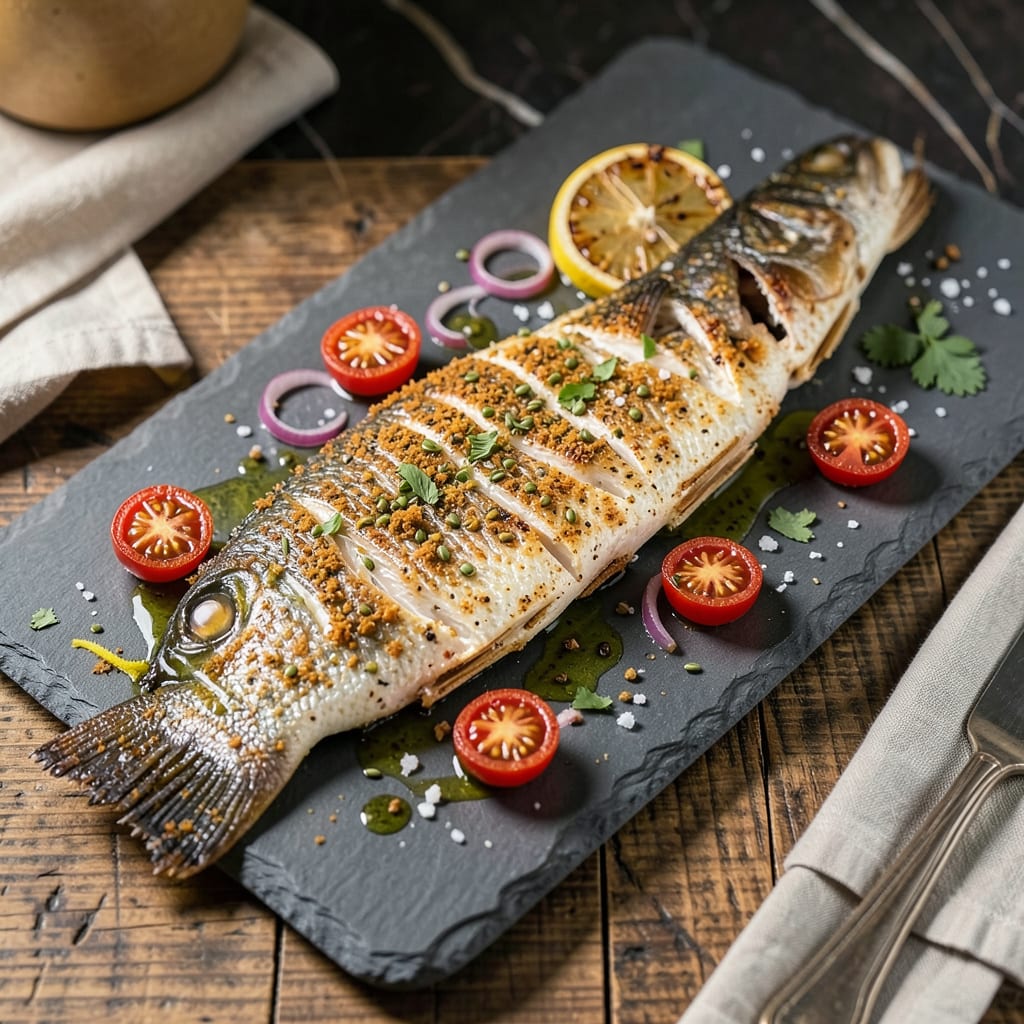
A fish spice blend is a mix of aromatic herbs and spices like paprika, garlic, thyme, and lemon peel designed to enhance seafood’s natural flavors without overpowering them. It works equally well on grilled, baked, or fried fish.
I’ve spent years perfecting spice combinations, and what makes these blends special is their ability to complement rather than mask delicate seafood. 🔥 The secret lies in balancing earthy notes like smoked paprika with bright citrus elements, creating a harmony that works with everything from delicate flounder to meaty tuna steaks. Coastal fishermen taught me that timing matters too—applying the blend just before cooking preserves the fish’s natural moisture while building a flavorful crust.
What many don’t realize is how versatile these mixes can be beyond basic seasoning. ✨ I often use them as a dry brine for 30 minutes before cooking, which draws out excess moisture for crispier skin. The same blend that transforms grilled salmon can also elevate a simple white fish ceviche when sprinkled on just before serving.
💡 In This Article
- Key Ingredients That Define a Fish Spice Blend
- Pro Techniques for Applying Fish Spice Blend
Key Ingredients That Define a Fish Spice Blend
The foundation of any great fish seasoning starts with celery salt—this isn’t just for flavor, but for chemistry. The salt draws out moisture to create that perfect crust, while the celery seeds add a subtle earthy brightness that cuts through fish’s natural oiliness.
I’ve found the ideal ratio is 1 part celery salt to 2 parts base spices like sweet paprika or coriander. This balance prevents the blend from tasting too sharp or one-dimensional.
What separates regional blends is their “heat signature.” A classic Cajun-style mix might include 1/2 teaspoon cayenne per tablespoon of base spices, creating that signature kick. Meanwhile, Mediterranean versions lean on dried oregano and lemon zest in equal parts (about 1:1 ratio) for a sunnier profile.
The science here is about volatility—citrus oils and capsaicin compounds release at different temperatures, so grilling brings out completely different notes than baking.
My secret weapon is ground mustard seeds—just 1/4 teaspoon per tablespoon of blend. When exposed to heat, mustard’s glucosinolates break down into pungent compounds that create a gentle warmth without overpowering. This is why commercial blends like Old Bay contain it. For delicate white fish, I reduce this to 1/8 teaspoon to prevent bitterness.
The mustard also helps emulsify any fats released during cooking, keeping the seasoning adhered to the fish.
Texture matters as much as taste. I always include 1 teaspoon fine sea salt per 2 tablespoons of blend to ensure even distribution, plus 1/2 teaspoon sugar to promote caramelization at high heat. For grilling, I add coarse-ground black pepper (about 1/2 teaspoon per tablespoon) because the larger particles create those beautiful char marks.
Baking blends get finer pepper to prevent grittiness. 🔥
The citrus component is where most home cooks miss the mark. Fresh lemon zest loses potency when dried, so professional blends use dehydrated lemon peel at 1:3 ratio with other spices. This maintains the bright notes without adding moisture.
For smoked fish applications, I swap lemon for orange peel—its higher sugar content caramelizes better during long smoking sessions at 225°F. ✨
Don’t overlook the power of onion powder—it contains natural MSGs that enhance umami perception. I use it at 1:2 ratio with garlic powder because onion’s sulfur compounds are more heat-stable. This means the flavor survives high-heat searing better than garlic, which can turn bitter.
The combination creates that “I can’t quite place it” depth that makes restaurant-quality fish so addictive. 💫
For those foraging like me, wild dill seeds or fennel pollen can replace celery salt in a pinch. Use half the amount by volume—their flavors are more concentrated. Coastal foragers often add crushed sea lettuce for a briny kick, but this requires immediate use as it loses potency within 24 hours of drying.
The key is testing small batches first—fish seasoning should whisper, not shout. 🌟

Trained in classic French technique but raised on slow-cooked ribs and spicy rubs, she blends culinary skill with smoke and soul.
- Recipe for Boneless Pork Chops in Cast Iron Skillet: Sear and Baste to Juicy Perfection - October 3, 2026
- Recipe for Boneless Cross Rib Roast: Slow-Roasted Beef with Herb Crust - October 3, 2026
- Hamburgers in Sauce Recipe Crock Pot: Slow-Cooked Savory Delight - October 3, 2026