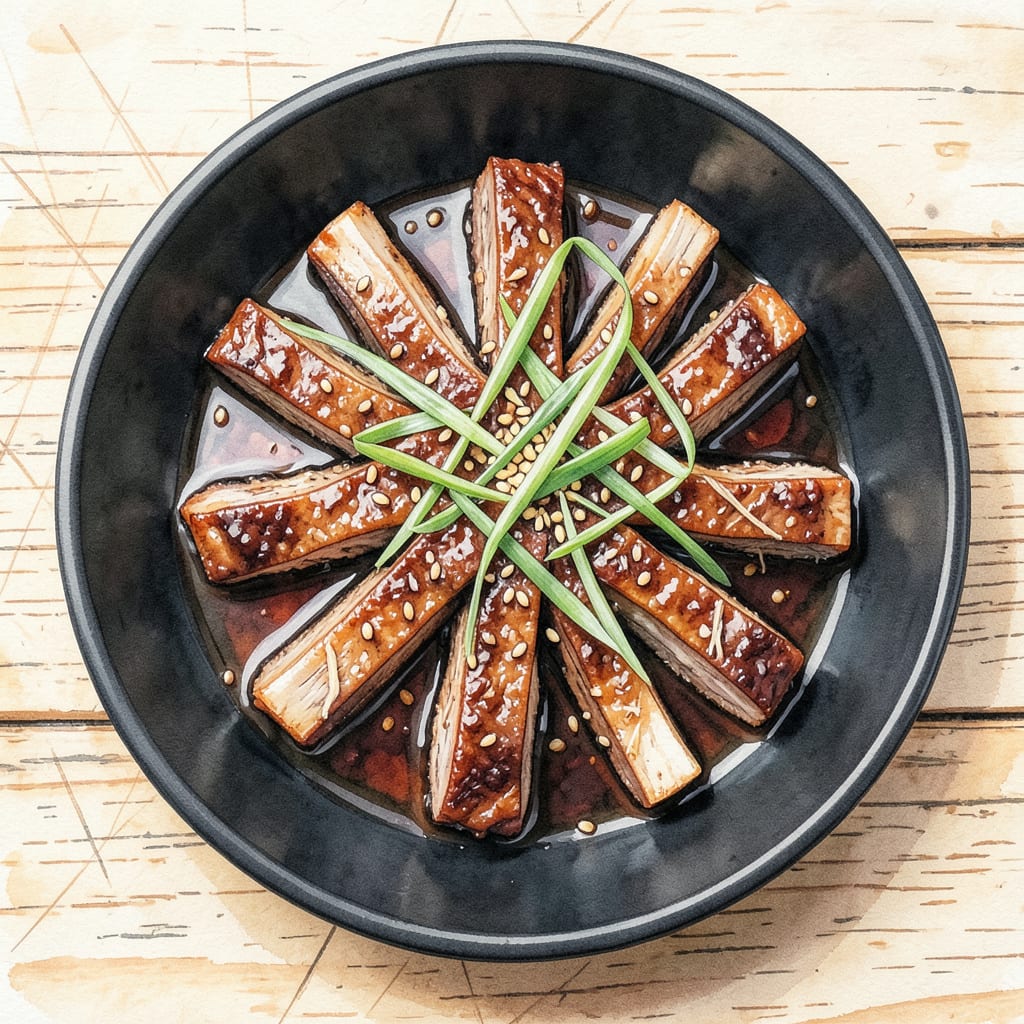
Oven-braised flanken transforms tough short ribs into melt-in-your-mouth perfection through slow, gentle heat. This Korean-inspired method delivers deep, caramelized flavors without the grill. The secret lies in the marinade—a balance of soy, garlic, and brown sugar—that tenderizes while building complex layers of taste.
With precise temperature control and a 3-hour braise, the meat becomes fork-tender while the sauce reduces to a glossy glaze. This technique adapts traditional galbi-jjim for home ovens, ensuring consistent results every time. Serve over steamed rice to soak up every rich, savory drop.
Ingredients for Flanken Recipe Oven
Quality flanken ribs and Korean pantry staples create this deeply flavorful braised dish through slow oven transformation.
| Ingredient | Amount | Notes |
|---|---|---|
| Beef Flanken Short Ribs 🥩 | 3 lb | Cross-cut, 1/2-inch thick slices |
| Low-Sodium Soy Sauce 🫙 | ¾ cup | Korean or Japanese preferred |
| Dark Brown Sugar 🍚 | ½ cup | Packed, for caramelization |
| Fresh Garlic Cloves 🧄 | 12 cloves | Minced, about 4 tbsp total |
| Fresh Ginger Root 🌿 | 2 tbsp | Peeled, finely grated |
| Toasted Sesame Oil 🫒 | 2 tbsp | Pure, not blended |
| Rice Wine Vinegar 🍶 | ¼ cup | Unseasoned variety |
| Gochujang (Korean Chili Paste) 🌶️ | 2 tbsp | Adjust for heat preference |
| Scallions 🧅 | 6 whole | White and green parts separated |
| Toasted Sesame Seeds 🌾 | 2 tbsp | For garnish |
| Vegetable Oil 🫒 | 1 tbsp | Neutral, high smoke point |
| Black Peppercorns 🌶️ | 1 tsp | Freshly cracked preferred |
| Steamed White Rice 🍚 | 4 cups | Cooked, for serving |
[recipe_ingredient_scaler]
The flanken ribs are paramount—cross-cut short ribs from the plate section ensure proper texture. Optimal thickness is 1/2-inch; thicker slices require extended braising. Professional kitchens source from specialty butchers, but well-marbled ribs from Whole Foods or H-Mart suffice. The soy sauce foundation demands low-sodium Korean brands like Sempio or Kikkoman for balanced salinity without overpowering the marinade’s complexity.
Substitutions require careful consideration: coconut aminos may replace soy sauce at a 1:1 ratio for gluten-free needs, though flavor profiles differ. Brown sugar alternatives like coconut sugar work but alter caramelization depth. Gochujang’s heat is irreplaceable, but miso paste plus chili flakes approximates its umami. The sesame oil must remain toasted—unrefined varieties lack the necessary nutty intensity for authentic galbi-jjim character.
Marinated ribs hold 24 hours refrigerated before cooking, though 12 hours is optimal for flavor penetration. Cooked dish maintains quality 4 days refrigerated or 3 months frozen in airtight containers. Reheat gently with added broth to preserve moisture. Sesame seeds and scallions should be added fresh post-reheating to maintain textural contrast and vibrant presentation.
Why You’ll Love This Recipe
- One-Pan Magic: Honestly, I love that this entire dish comes together on a single sheet pan. No splattering, no multiple pots—just toss the flanken with the soy-ginger-brown sugar mix, slide it in the oven, and walk away. Cleanup is *embarrassingly* easy.
- Sweet-Savory Obsession: That first bite where the caramelized brown sugar cracks against the salty soy-glazed ribs? I’ve made this six times and still pause to appreciate it. The garlic and ginger don’t just add flavor—they *transform* the beef into something sticky, rich, and impossible to resist.
- Weeknight Hero: Between us, this is my “I forgot to plan dinner” lifesaver. It’s unfussy enough for a Tuesday but impressive enough for company—especially since the ribs stay tender even if they sit in the oven an extra 10 minutes. (Yes, I’ve tested this.)
- Leftovers? Lucky You: The flavors deepen overnight, so day-two flanken might actually be better. I’ve stretched this into tacos, fried rice, and even a quick ramen upgrade—all while keeping the grocery bill reasonable. Short ribs usually feel fancy, but this method makes them *practical*.
Step-by-Step Instructions for Oven-Braised Flanken Short Ribs
This method transforms tough cuts into tender, flavorful beef with minimal hands-on time.
Step 1: Prepare the Marinade and Season the Ribs
In a large bowl, combine the 0.75 cup low-sodium soy sauce, 0.5 cup dark brown sugar, 12 cloves minced fresh garlic cloves, 2 tablespoons finely grated fresh ginger root, 2 tablespoons toasted sesame oil, 0.25 cup rice wine vinegar, and 2 tablespoons gochujang. Whisk vigorously until the brown sugar fully dissolves and the mixture becomes homogeneous. The gochujang should be completely incorporated with no visible streaks.
Place the 3 lb beef flanken short ribs in a large resealable plastic bag or shallow dish. Pour the marinade over the ribs, ensuring each piece is fully coated. Massage the marinade into the meat for 2-3 minutes, then cover and refrigerate for at least 4 hours, preferably overnight. This extended marinating time allows the flavors to penetrate deeply and begins tenderizing the connective tissue.
Step 2: Sear the Ribs for Depth of Flavor
Preheat your oven to 325°F. Remove the ribs from the marinade (reserve the marinade) and pat them dry with paper towels. This drying step is crucial for achieving proper browning. Heat 1 tablespoon vegetable oil in a large Dutch oven over medium-high heat until shimmering but not smoking.
Working in batches to avoid crowding, sear the ribs for 3-4 minutes per side until deeply browned. You’re looking for a rich, caramelized crust that will form the flavor foundation of your finished dish. Transfer the seared ribs to a plate and set aside temporarily.
Step 3: Braise the Ribs to Perfect Tenderness
Pour the reserved marinade into the Dutch oven and bring to a simmer over medium heat, scraping up any browned bits from the bottom. These fond particles contain concentrated flavor that will enrich your braising liquid. Return the seared ribs to the pot along with any accumulated juices.
Add 1 teaspoon black peppercorns to the pot. Cover tightly with the lid and transfer to the preheated oven. Braise for 2.5 to 3 hours, turning the ribs every 45 minutes, until the meat is fork-tender and nearly falling off the bone. The ribs are done when a fork inserted into the meat encounters no resistance and the meat easily pulls away from the bone.
Step 4: Reduce the Sauce and Finish
Carefully transfer the braised ribs to a serving platter and tent with foil to keep warm. Skim any excess fat from the surface of the braising liquid, then return the Dutch oven to the stovetop. Simmer over medium-high heat for 8-10 minutes until the sauce reduces by about one-third and develops a slightly syrupy consistency.
While the sauce reduces, thinly slice the 6 whole scallions, keeping the white and green parts separate. Stir the white parts into the reducing sauce during the last 2 minutes of cooking. Taste and adjust seasoning if needed, though the soy sauce and gochujang should provide sufficient salt and spice.
Step 5: Plate and Garnish for Service
Divide the 4 cups steamed white rice among four shallow bowls, creating a bed for the ribs. Arrange the braised ribs over the rice, then spoon the reduced sauce generously over each portion. The sauce should coat the ribs but not overwhelm them.
Garnish each serving with the remaining sliced scallion greens and 2 tablespoons toasted sesame seeds divided equally. The sesame seeds add textural contrast and visual appeal. Serve immediately while the ribs are still warm and the sauce is glossy. The meat should be tender enough to cut with a fork but still hold its shape when served.
Flavor Customization for This flanken recipe oven
Spicy Gochujang Boost
For those who love heat, increase the gochujang to 3 tablespoons and add 1 teaspoon Korean red pepper flakes to the marinade. I discovered this trick during a coastal ride when I stopped at a Korean market and tasted their house-made galbi-jjim. The extra spice balances beautifully with the brown sugar’s sweetness. 🌶️
Sweet and Sticky Glaze
Transform the sauce into a caramelized glaze by adding 2 tablespoons honey during the final 10 minutes of reduction. This creates a thicker, stickier coating that clings to the ribs. I learned this from a French pastry chef who showed me how sugar concentrations affect texture—perfect for when you want extra shine on your presentation.
Citrus Brightness
Brighten the rich flavors with zest of 1 orange and 2 tablespoons fresh orange juice added to the marinade. The acidity cuts through the fat while adding complexity. I forage wild citrus along my motorcycle routes and always keep some on hand for dishes like this. The citrus notes make the dish feel lighter without sacrificing depth.
Umami Depth Bomb
For an extra savory punch, stir 1 tablespoon fish sauce and 1 tablespoon oyster sauce into the braising liquid before reducing. This combination amplifies the meaty flavors without overpowering. I picked up this trick from a Vietnamese butcher who swore by it for all braised dishes. The result is a sauce so rich you’ll want to drink it straight.
Herbaceous Freshness
Finish with ¼ cup chopped cilantro and 2 tablespoons thinly sliced mint instead of scallions. The fresh herbs add a completely different dimension that works surprisingly well with the Korean flavors. I grow these in my windowsill garden specifically for moments when a dish needs that final burst of freshness.
Smoky Charred Notes
After braising, transfer ribs to a baking sheet and broil for 3-4 minutes to develop charred edges. This adds a smoky complexity that mimics grill flavors. I learned this from my pitmaster days—sometimes you need that extra layer of depth. Watch closely to avoid burning, but those crispy bits are worth the effort. 🔥
Nutrition Facts

Trained in classic French technique but raised on slow-cooked ribs and spicy rubs, she blends culinary skill with smoke and soul.
- Recipe for Boneless Pork Chops in Cast Iron Skillet: Sear and Baste to Juicy Perfection - October 3, 2026
- Recipe for Boneless Cross Rib Roast: Slow-Roasted Beef with Herb Crust - October 3, 2026
- Hamburgers in Sauce Recipe Crock Pot: Slow-Cooked Savory Delight - October 3, 2026