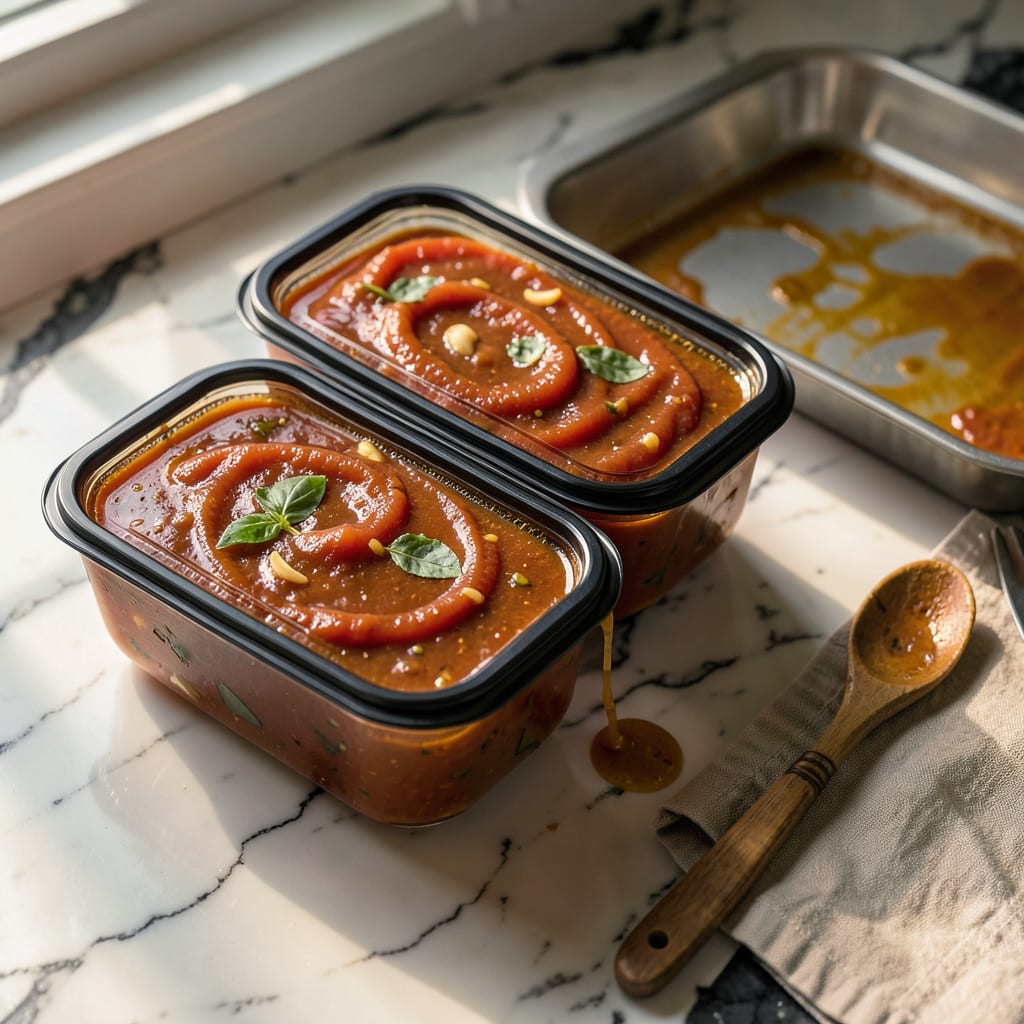
I’ll be real with you: freezing spaghetti sauce the right way changes everything when it comes to meal prep. No more last-minute dinner stress or wasting half a batch because you couldn’t finish it. After burning through more freezer bags than I care to admit (and dealing with my fair share of freezer-burned disappointments), I’ve finally nailed the method that keeps sauce tasting fresh for months.
Here’s the thing—whether you’re dealing with homemade marinara or store-bought arrabbiata, the freezing process is all about portion control and proper storage. I use glass jars for small batches and heavy-duty freezer bags for larger quantities, always leaving that crucial headspace for expansion. The difference between mushy, separated sauce and one that reheats like it was made yesterday? It’s all in how you prep it before the freezer.
The best part? You can freeze sauce in single-serving portions for quick weeknight meals or in larger containers for family dinners. I’ve pulled jars from my freezer after three months that tasted just as vibrant as the day I made them. No ice crystals, no weird textures—just rich, flavorful sauce ready to transform plain pasta into a restaurant-worthy dish.
Fair warning: not all containers are created equal, and skipping the cooling step is asking for trouble. But once you get the hang of it, you’ll never let good sauce go to waste again. Here’s exactly how to do it right.
📚 In This Guide
- What You’ll Need
- Instructions
- Tips and Common Mistakes
What Youll Need
- ● Spaghetti sauce: 4–6 cups (homemade or store-bought, fully cooled)
- ● Freezer-safe containers: Air-tight glass jars (16–32 oz, leave 1-inch headspace) OR
- ● Heavy-duty freezer bags (quart-size, squeeze out excess air) OR
- ● Plastic freezer containers with tight lids (BPA-free recommended)
- ● Labels & marker: Waterproof labels + permanent marker (or masking tape)
- ● Ladle or measuring cup: For portioning sauce
- ○ Aluminum foil or parchment paper: Optional—to cover sauce surface before sealing (prevents freezer burn)
- ○ Vacuum sealer: Optional—for long-term storage (extends shelf life to 8–12 months)
- ○ Cooling rack: Optional—speeds up cooling if using hot sauce
- ○ Date tracker: Optional but handy—use a freezer inventory app or sticky notes
Instructions for Freezing Spaghetti Sauce
Here’s how to preserve your homemade sauce perfectly—no freezer burn, no wasted flavor.
Cool the Sauce Completely
Before freezing, let your spaghetti sauce cool to room temperature. I like to spread it in a shallow pan to speed up the process—this prevents condensation from forming inside your containers. Stir occasionally as it cools to release steam and prevent a skin from forming on top.
Never put hot sauce directly into the freezer. The sudden temperature change can cause containers to crack and creates ice crystals that ruin the texture. I usually let mine sit for about 30-45 minutes until it’s just warm to the touch, not hot.
Choose the Right Freezer Containers
Select airtight containers that match your portion needs. I prefer quart-sized freezer bags for individual meals or glass containers for larger batches. For bags, lay them flat on a baking sheet to freeze—this saves space and makes stacking easy later.
Leave about 1-inch headspace in rigid containers to allow for expansion. With freezer bags, squeeze out all the air before sealing to prevent freezer burn. Label each container with the date and contents—I use masking tape and a permanent marker for this.
Portion and Package for Easy Use
Divide the sauce into meal-sized portions before freezing. I typically freeze 2-cup portions—enough for a family dinner. For single servings, use ice cube trays for 1-2 tablespoon portions, then transfer the frozen cubes to a bag once solid.
Flatten bags to create thin, stackable packages that thaw quickly. For glass containers, press plastic wrap directly onto the sauce surface before sealing the lid—this creates an extra barrier against freezer burn. Always double-check that lids are sealed tightly before freezing.
Freeze and Store Properly
Place containers in the coldest part of your freezer, usually the back or bottom shelf. Arrange them in a single layer initially so they freeze quickly and evenly. Once completely frozen (after about 24 hours), you can stack them to save space.
Your sauce will maintain best quality for 3-4 months in the freezer. While it’s safe to keep longer, the flavor and texture start to degrade after this point. I like to use a first-in, first-out system—place newer batches behind older ones so nothing gets forgotten.
Thaw and Reheat Safely
To thaw, transfer the sauce to the refrigerator 24 hours before you plan to use it. For quicker thawing, place the sealed container in a bowl of cold water, changing the water every 30 minutes. Never thaw at room temperature or in hot water.
Reheat gently in a saucepan over low to medium heat, stirring occasionally. If the sauce seems too thick after thawing, thin it with a splash of water or broth. Taste and adjust seasoning if needed—sometimes flavors mellow during freezing, so a pinch of salt or herbs might be necessary to revive the original taste.
Tips and Common Mistakes
Freezing spaghetti sauce is simpler than you think, but these small details make all the difference between perfect results and freezer disappointments.
Cooling Strategy: The 30-45 minutes cooling time in Step 1 isn’t just about patience—it’s about texture. I learned the hard way that rushing this step creates ice crystals that turn your sauce grainy. For faster cooling, divide large batches into smaller shallow pans. Stirring every 10 minutes releases trapped heat and prevents that unappetizing skin from forming on top.
Portioning Wisdom: Those 2-cup portions in Step 3 might seem arbitrary, but they’re meal-planning magic. A standard box of pasta needs about 2 cups of sauce, so you’ll never have too much or too little. For single servings, those 1-2 tablespoon ice cube portions are perfect for quick weeknight meals—I toss them straight from freezer to pan for instant flavor boosts.
Freezer Organization: The 24-hour single-layer freeze in Step 4 isn’t just about even freezing—it’s your secret to never digging through a freezer avalanche again. I use this time to create a “sauce inventory” system: newer batches go behind older ones, and I keep a sticky note on my freezer door tracking what’s inside. This way, nothing gets forgotten in the frozen abyss.
Reheating Revival: When reheating over that low to medium heat in Step 5, here’s what nobody tells you: add a splash of the pasta cooking water instead of plain water. The starch in the pasta water helps rebuild the sauce’s body and cling to noodles better than any broth. I also keep a small bowl of water nearby to thin as needed—sauce always reduces slightly during reheating.
Pro Tips for Freezing Spaghetti Sauce
- Freezing spaghetti sauce is simpler than you think, but these small details make all the difference between perfect r…
- Cooling Strategy: The 30-45 minutes cooling time in Step 1 isn’t just about patience—it’s about texture. I learned th…
- Portioning Wisdom: Those 2-cup portions in Step 3 might seem arbitrary, but they’re meal-planning magic. A standard b…
Frequently Asked Questions
Got questions about freezing spaghetti sauce? You’re not alone! Here are the most common concerns—and quick answers—to help you freeze like a pro.
Can you freeze spaghetti sauce with meat in it?
Absolutely! Meat-based sauces (like Bolognese) freeze beautifully. Just cool it completely first, then store in airtight containers. For best texture, thaw gently in the fridge overnight and reheat slowly to prevent the meat from drying out. Pro tip: Undercook pasta slightly if you plan to reheat them together!
How long does frozen spaghetti sauce last?
Most sauces stay fresh for 3–6 months in the freezer. Tomato-based sauces hold up longest, while cream or dairy-heavy sauces may separate after 1–2 months. Label containers with dates to track freshness—trust us, future-you will thank you!
Why does my sauce turn watery after freezing?
Separation happens! Tomatoes release liquid when thawed. Fix it by simmering the sauce uncovered for 5–10 minutes to evaporate excess moisture. Stirring in a splash of broth or tomato paste can also restore thickness. Avoid cornstarch—it can get grainy when frozen.
Can I freeze spaghetti sauce in glass jars?
Only if they’re freezer-safe! Regular glass may crack from expansion. Leave 1-inch headspace, use wide-mouth jars, and never screw lids on tight until fully frozen. For safety, opt for plastic containers or heavy-duty freezer bags instead.
What’s the best way to reheat frozen spaghetti sauce?
Thaw overnight in the fridge, then warm on the stove over low-medium heat, stirring often. Microwaving? Use 50% power in 1-minute bursts, stirring between intervals. Add a splash of water or wine if it’s too thick. Never reheat directly from frozen—it’ll scorch!
Freezing spaghetti sauce is a game-changer for busy cooks—it saves time, reduces waste, and keeps your favorite flavors ready for a quick meal. With the right containers, cooling tricks, and thawing methods, you can enjoy homemade sauce just as delicious as the day you made it. 🍝
Ready to stock your freezer? Start by prepping a double batch of your go-to sauce this weekend—your future self will thank you! For more meal prep tips, check out our guide on freezing other sauces and soups.

Trained in classic French technique but raised on slow-cooked ribs and spicy rubs, she blends culinary skill with smoke and soul.
- Recipe for Boneless Pork Chops in Cast Iron Skillet: Sear and Baste to Juicy Perfection - October 3, 2026
- Recipe for Boneless Cross Rib Roast: Slow-Roasted Beef with Herb Crust - October 3, 2026
- Hamburgers in Sauce Recipe Crock Pot: Slow-Cooked Savory Delight - October 3, 2026