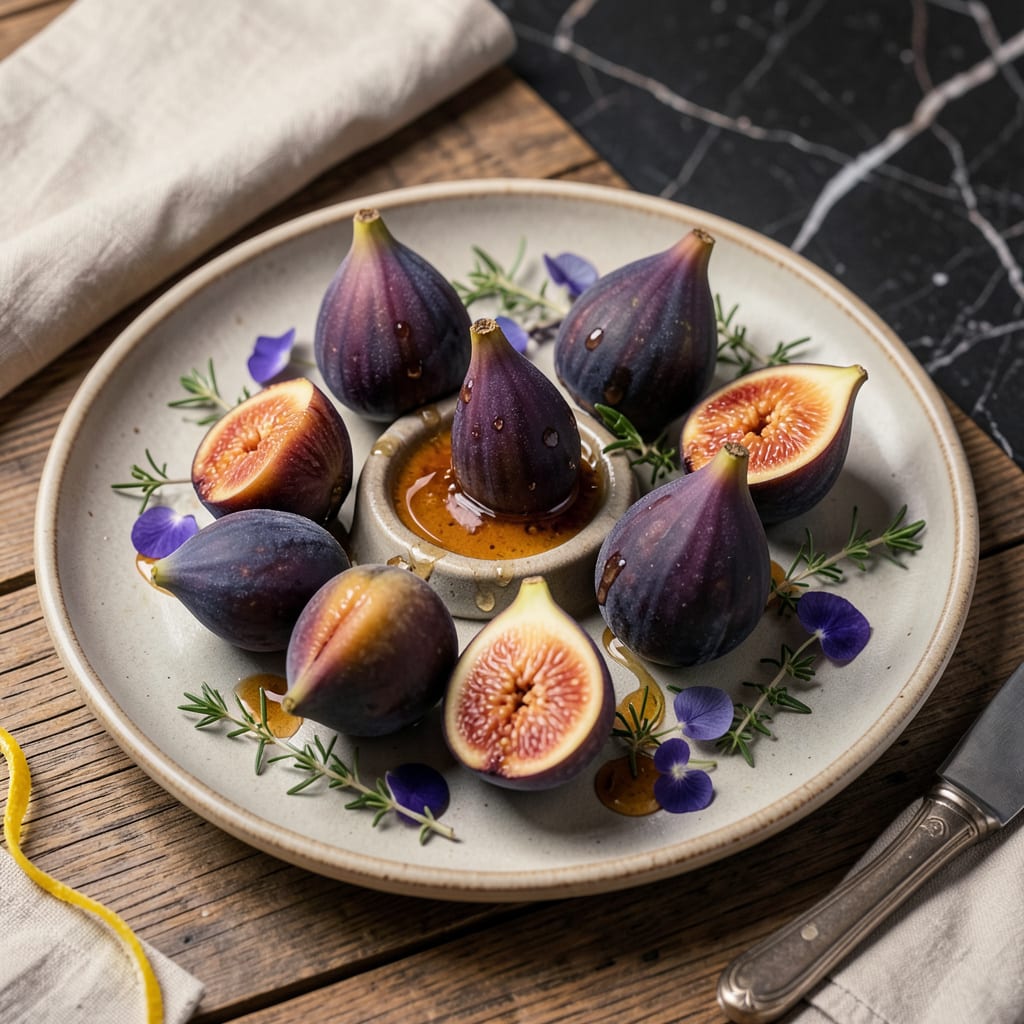
Fresh figs shine in desserts when paired with honey, goat cheese, or dark chocolate. Their natural sweetness and tender texture work beautifully in tarts, salads, or simply roasted with nuts for an elegant treat.
There’s something magical about how figs transform ordinary desserts into showstoppers. 🔥 Their jam-like interior and subtle floral notes create a sophisticated contrast against rich ingredients like aged balsamic or creamy cheeses. I’ve found they work particularly well in no-bake applications where their delicate structure stays intact—think layered parfaits or fresh crostini toppings. The secret lies in their high water content, which keeps desserts moist while adding natural sweetness without overpowering other flavors.
What makes figs so versatile is their ability to bridge sweet and savory worlds. ✨ They caramelize beautifully when roasted, developing deeper flavors that pair unexpectedly well with smoky meats or tangy cheeses. I always recommend using them at peak ripeness—when they’re slightly soft to the touch—for maximum flavor impact in both simple and elaborate preparations.
💡 In This Article
- Why Fresh Figs Elevate Dessert Flavors Naturally
- 5-Minute Fresh Fig Dessert Pairings for Instant Gourmet
Why Fresh Figs Elevate Dessert Flavors Naturally
Fresh figs contain a perfect balance of fructose and glucose—about 16-18% sugar by weight—that creates a complex sweetness profile. Unlike refined sugar’s one-note sweetness, figs deliver layered flavors with subtle honey and berry undertones. Their natural invertase enzyme breaks down sucrose into simpler sugars, which intensifies their sweetness as they ripen.
This enzymatic action also makes them pair exceptionally well with acidic ingredients like citrus or vinegar, creating a perfect flavor harmony.
The texture of fresh figs is what makes them truly special in desserts. Their interior has a creamy, jam-like consistency with tiny edible seeds that add a delicate crunch. When you bite into a perfectly ripe fig, you experience both velvety smoothness and gentle resistance from the seeds—this contrast elevates every dessert they’re in.
The high water content (79-85%) keeps baked goods moist while their natural pectin helps thicken fillings without added starches. 🔥
Seasonal ripeness dramatically impacts fig flavor. Early-season figs tend to be milder with firmer flesh, while late-season varieties develop deeper, almost caramel-like notes. The skin’s thinness allows flavors to penetrate quickly when marinated or macerated.
I’ve found that figs reach peak complexity when allowed to ripen fully on the tree—their sugar content doubles in the final days, and the flesh becomes almost custard-like in consistency. ✨
What most people don’t realize is how figs interact with dairy proteins. The proteolytic enzymes in figs can actually soften cheeses like goat cheese or mascarpone over time, creating a creamier texture in desserts.
This is why fig and cheese pairings taste better after sitting for 15-20 minutes—the enzymes work their magic, blending the flavors more completely. The same process happens with cream-based desserts, where figs help create a silkier mouthfeel naturally.
Temperature plays a crucial role in fig dessert success. Serving figs slightly warmed (85-90°F) enhances their aromatic compounds, making them smell more intensely floral. Meanwhile, chilled figs develop a firmer texture that holds up better in composed desserts.
I always recommend bringing figs to room temperature before using to maximize their flavor potential—this simple step makes a noticeable difference in both taste and texture. 💫
The natural acidity of figs (pH 5.0-5.5) makes them particularly good at balancing rich ingredients. When paired with dark chocolate (60-70% cacao), the figs’ slight tartness cuts through the chocolate’s bitterness. With honey, their natural acids prevent the sweetness from becoming cloying.
This acid-sweet balance is why fig desserts can satisfy without feeling overly heavy or sugary. ⚡
For the most intense flavor, look for figs with tiny cracks near the stem—this indicates maximum ripeness and sugar concentration. The cracks form as the fruit expands with juice, and these specimens will have the most complex, concentrated flavor for your desserts.
A perfectly ripe fig should yield slightly to gentle pressure, like a ripe avocado, and have a sweet fragrance at the stem end. 🌟

Trained in classic French technique but raised on slow-cooked ribs and spicy rubs, she blends culinary skill with smoke and soul.
- Recipe for Fried Prawns Batter: Ultra-Crispy Golden Shell - October 3, 2026
- Indian Lamb Curry Recipe Pressure Cooker: Fragrant Spices in a Fraction of the Time - October 3, 2026
- Recipe for Oven Roasted: Golden Crisp Perfection Without the Fryer - October 3, 2026