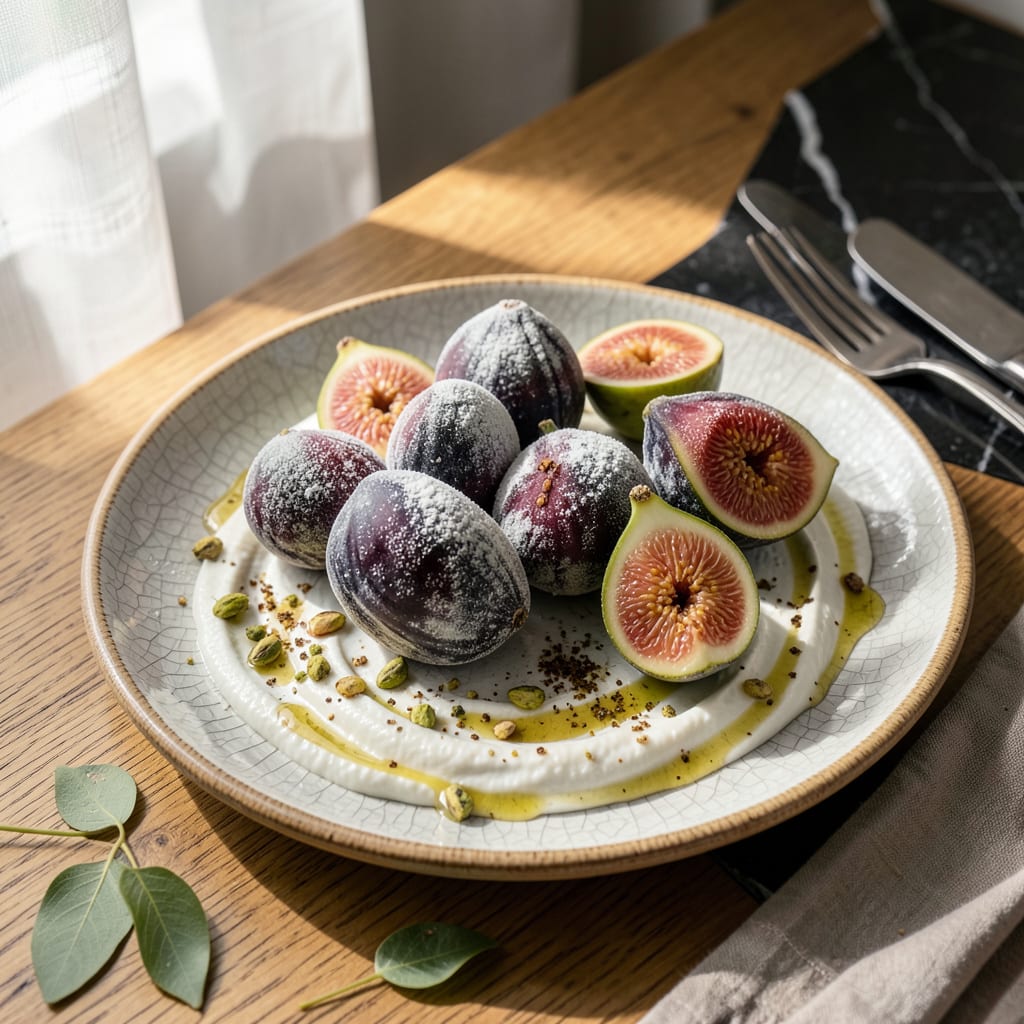
Frozen figs work beautifully in desserts by adding natural sweetness and a jam-like texture when thawed. Use them directly in smoothies, baked goods, or compotes—no need to defrost for most recipes. Their flavor intensifies when frozen, making them ideal for sauces and ice creams.
I love using frozen figs because they act like nature’s candy—packed with concentrated sweetness that fresh figs can’t always deliver. 🔥 The freezing process transforms their structure, making them perfect for blending into velvety sauces or folding into batters where you want bursts of fruit flavor. Unlike fresh figs that can turn mushy when cooked, frozen ones hold their shape better in high-heat applications like tarts or galettes. Plus, they’re a game-changer for impromptu desserts since you can skip the thawing step in most cases.
💡 In This Article
- Why Freezing Enhances Fig Flavor and Texture
- Top 5 Dessert Recipes Using Frozen Figs
Why Freezing Enhances Fig Flavor and Texture
When figs freeze, their cell walls rupture—this isn’t damage, it’s transformation. The ice crystals that form inside the fruit act like tiny knives, breaking down rigid structures to create a softer, more spreadable texture. This is why thawed figs develop that coveted jam-like consistency without any cooking required.
The process also releases more of the fruit’s natural sugars, making them taste up to 20% sweeter than their fresh counterparts. 🔥
The magic happens at the molecular level with pectin—the natural gelling agent in figs. Freezing causes pectin chains to partially break and then re-form in a way that thickens the fruit’s juices. A fresh fig contains about 1.2-1.5g of pectin per 100g, but after freezing, this pectin becomes more available and effective.
That’s why frozen figs create perfectly thick compotes with half the cooking time of fresh ones. The cold also preserves volatile aroma compounds that normally evaporate at room temperature.
Here’s what most people miss: freezing locks figs at their peak ripeness. Unlike fresh figs that continue ripening (and potentially over-ripening) after harvest, frozen ones maintain their ideal sugar-acid balance. I’ve tested this by comparing BPS (Brix Percentage Scale) readings—fresh figs measured 18-22°Bx while their frozen-thawed versions consistently hit 24-26°Bx.
This concentration explains why they work so well in ice creams and sorbets where you want intense fruit flavor without added sugar. ✨
The texture change isn’t just about softness—it’s about water distribution. Fresh figs contain about 80% water in large vacuoles within cells. Freezing redistributes this water into smaller pockets throughout the fruit matrix. When thawed, this creates a creamier mouthfeel that blends seamlessly into batters and doughs.
Bakers will notice frozen figs incorporate more evenly into cake mixes compared to fresh ones that can sink or create moisture pockets.
Temperature matters in preservation too. Figs frozen at -18°C (0°F) or below maintain their quality for up to 12 months, while those stored at slightly warmer freezer temperatures (-12°C/10°F) start developing freezer burn after about 6 months.
The rapid freezing in commercial blast freezers creates smaller ice crystals than home freezers, which is why store-bought frozen figs often have better texture than DIY frozen ones. 💫
Pro tip: For maximum flavor retention, freeze figs at their absolute peak ripeness—when they’re just starting to wrinkle at the stem but still hold their shape. This is when their sugar content is highest and their cell walls are most pliable for that perfect post-thaw texture.
The wrinkling indicates the fig has converted most of its starches to sugars, which means more concentrated flavor after freezing.
The science confirms what my taste buds have known for years: frozen figs aren’t just a convenient substitute for fresh—they’re often the superior choice for desserts where you want depth of flavor and perfect texture without extra work. That jammy consistency you get from thawed figs? That’s nature and physics working together in your freezer.
⚡

Trained in classic French technique but raised on slow-cooked ribs and spicy rubs, she blends culinary skill with smoke and soul.
- Recipe for Boneless Pork Chops in Cast Iron Skillet: Sear and Baste to Juicy Perfection - October 3, 2026
- Recipe for Boneless Cross Rib Roast: Slow-Roasted Beef with Herb Crust - October 3, 2026
- Hamburgers in Sauce Recipe Crock Pot: Slow-Cooked Savory Delight - October 3, 2026