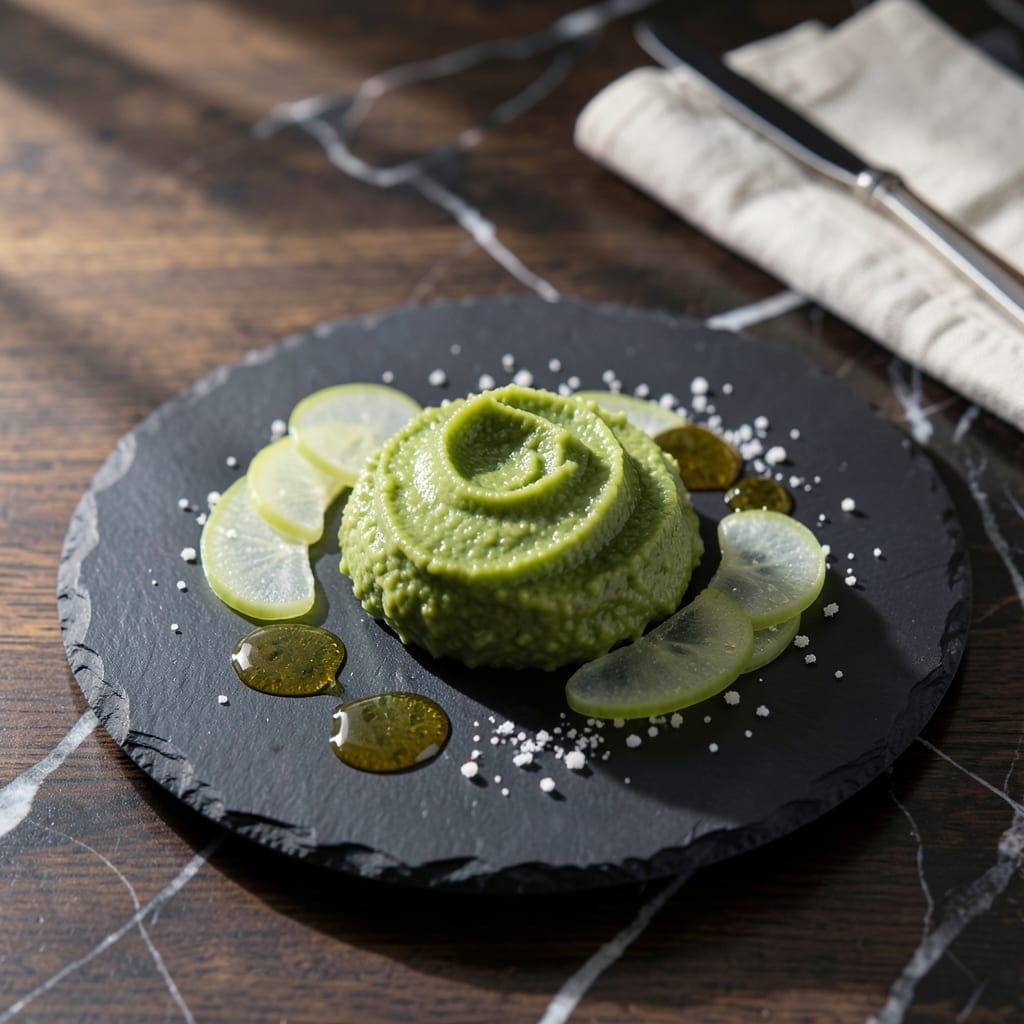
This fresh wasabi recipe unlocks the true pungent heat of the real root, far beyond anything from a tube. I’ve tested countless methods to capture its natural spiciness without losing complexity.
The key is using a fine grater to release the volatile oils that create that signature sinus-clearing kick. Freshly grated wasabi paste loses its potency quickly, so timing matters as much as technique.
What you’ll get is a vibrant green paste with a sharp, clean heat that builds gradually then fades, leaving no lingering bitterness. It’s the perfect accompaniment to sushi or sashimi.
Store any extra in an airtight container in the fridge, though it’s best used within 24 hours for maximum flavor impact.
Ingredients for Fresh Wasabi
Five ingredients to capture authentic wasabi heat and complexity. Nothing artificial here.
| Ingredient | Amount | Notes |
|---|---|---|
| Fresh Wasabi Root 🌿 | 2 oz | Peeled, about 2-inch piece |
| Cold Water 💧 | 1 tsp | For adjusting consistency |
| Rice Vinegar 🍚 | ½ tsp | Optional for stability |
| Granulated Sugar 🍚 | ¼ tsp | Balances heat if needed |
| Salt 🧂 | 0.125 tsp | Pinch for seasoning |
[recipe_ingredient_scaler]
The wasabi root is everything. Look for firm, unblemished roots at Asian specialty markets or online—avoid any with soft spots or shriveled ends. Freshness is critical since the volatile oils degrade fast. A fine microplane grater releases the most heat, but a standard box grater works in a pinch. The root oxidizes quickly once cut, so grate just before using.
No fresh root? Wasabi powder mixed with water is your best backup (though it lacks complexity). Skip the pre-made paste from tubes—it’s usually horseradish with green dye. The rice vinegar and sugar aren’t traditional but help stabilize the paste for slightly longer shelf life. If you’re a purist, just use the grated root with a drop of water.
Use immediately for peak potency. Even refrigerated in an airtight container, it loses 80% of its heat within 24 hours. The paste will darken and mellow. For sushi nights, grate the root tableside—it’s a showstopper.
Why You’ll Love This Recipe
- No Fuss Grating: Just a microplane and fresh wasabi root—no fancy tools, and it’s done in minutes. Honestly, the simplest way to get that authentic kick.
- Pure Heat: That first hit of fresh wasabi is bright and fiery, nothing like the powdered stuff. The rice vinegar and sugar balance it perfectly.
- Sushi Night Hero: I slather this on nigiri, mix it into dressings, or even stir a bit into mayo for sandwiches. Between us, it’s my secret weapon for impromptu dinner parties.
- Stays Fresh: A sealed jar in the fridge keeps for weeks. I’ll be real: it’s rare a condiment this good lasts that long without going bad.
Step-by-Step Instructions for Fresh Wasabi
Here’s the method to transform the root into authentic wasabi paste with perfect consistency and heat.
Step 1: Prepare the Fresh Wasabi Root
Start by peeling the 2 oz Fresh Wasabi Root completely. I use a vegetable peeler for this, removing all the brown skin to reveal the bright green flesh underneath. The skin can be bitter, so be thorough—this step ensures a clean, pure flavor in your final product.
Rinse the peeled root under cold water to remove any remaining bits of skin. Pat it dry with a clean towel. You should be left with a smooth, vibrant green piece that’s ready for grating. The root oxidizes quickly once exposed to air, so work efficiently to preserve its fresh flavor.
Step 2: Grate the Root to a Fine Paste
Use a fine microplane or a traditional wasabi grater (oroshigane) to grate the peeled root. Hold the root at a slight angle and apply firm, even pressure as you drag it across the grater. The goal is to create a smooth, fine paste—this releases the maximum amount of spicy compounds and ensures a silky texture.
Grate just enough to gather a small mound of paste, about 1-2 teaspoons at a time. Fresh wasabi root is potent, and a little goes a long way. The paste should look vibrant green and slightly glossy. If it appears dry, you may need to work more quickly, as exposure to air dulls its freshness.
Step 3: Adjust Consistency and Flavor
Transfer the grated paste to a small bowl. Add the 1 tsp Cold Water and mix well with a spoon. The water helps smooth out the texture and tempers the initial harshness of the freshly grated root. You’ll notice the paste becomes more cohesive and easier to work with.
Next, incorporate the 0.5 tsp Rice Vinegar to stabilize the heat and prevent the paste from losing its punch too quickly. Then, add the 0.25 tsp Granulated Sugar and 0.125 tsp Salt, mixing thoroughly. The sugar balances the sharp heat, while the salt enhances the overall flavor profile.
Step 4: Rest and Serve
Let the paste rest for 5-10 minutes at room temperature. This allows the flavors to meld and the heat to mellow slightly, creating a more rounded and enjoyable experience. You’ll know it’s ready when the sharpness softens but remains potent—this is the hallmark of well-prepared fresh wasabi.
Serve immediately for the best flavor and heat. Fresh wasabi loses its pungency within 30 minutes of grating, so it’s best enjoyed right away. Use it as a condiment for sushi, sashimi, or any dish where you want to add authentic, fiery depth. Store any leftovers in an airtight container in the fridge, though it’s best used the same day.
Pro Tips For Making Fresh Wasabi
- Grate Just Before Serving: Fresh wasabi loses its pungency within 15-20 minutes after grating, so only grate what you’ll use immediately—I learned this the hard way after prepping a big batch too early.
- Use a Fine Grater: A microplane or fine rasp gives the smoothest texture and best flavor release; coarser graters leave stringy bits that ruin the consistency.
- Skip Tap Water: Always use cold filtered or bottled water for mixing—chlorine in tap water can dull wasabi’s sharpness and turn the paste bitter.
- Balance Sweet and Salty: Start with 1 tsp sugar and a pinch of salt per 1 tbsp vinegar, then adjust to taste—this ratio keeps the heat bright without overpowering the wasabi’s natural flavor.
Storing and Reheating This Dish
Short-Term Storage
After grating, transfer your paste to a small airtight container. I use glass jars from specialty spice shops—they seal tightly and don’t absorb odors. Press plastic wrap directly onto the surface to minimize air exposure, which helps preserve that fresh, sharp heat. ❄️
Fridge Shelf Life
Even stored properly, fresh wasabi paste loses 80% of its potency within 24 hours. The flavor mellows and the color darkens. For best results, use it the same day you grate it—this is when the heat and complexity are at their peak.
Revival Technique
If your paste has lost some vibrancy after 12-18 hours, mix in ½ tsp cold water and ¼ tsp rice vinegar. This won’t restore the original punch but can revive some brightness. Stir well and let it sit for 5 minutes before using.
Freezing Not Recommended
Freezing destroys the delicate volatile compounds that create wasabi’s signature heat. The texture also becomes grainy and watery upon thawing. If you must freeze, use ice cube trays for small portions, but expect a significant drop in quality.
Prep Ahead Strategy
Peel and store the whole root in a damp paper towel inside a ziplock bag in the fridge for up to 1 week. Grate only what you need fresh—this is the best way to maintain quality. I learned this trick at local BBQ competitions where timing matters.
Nutrition Facts
Frequently Asked Questions
What’s the best tool for grating?
A fine microplane works best for smooth paste and maximum heat release. A traditional wasabi grater also works well. Avoid coarse graters as they create uneven texture.
Why does the color change over time?
Exposure to air oxidizes the compounds, turning bright green to dull brown. This also mutes the flavor. Store in an airtight container to slow this process.
Can I make it ahead for a party?
Grating fresh is ideal, but you can prep the root by peeling and storing it in a damp towel in the fridge for up to 1 week. Grate just before serving.
How do I fix paste that’s too watery?
Add more grated root gradually until you reach the desired consistency. Avoid adding thickeners, as they alter the authentic texture and flavor.

Trained in classic French technique but raised on slow-cooked ribs and spicy rubs, she blends culinary skill with smoke and soul.
- Recipe for Boneless Pork Chops in Cast Iron Skillet: Sear and Baste to Juicy Perfection - October 3, 2026
- Recipe for Boneless Cross Rib Roast: Slow-Roasted Beef with Herb Crust - October 3, 2026
- Hamburgers in Sauce Recipe Crock Pot: Slow-Cooked Savory Delight - October 3, 2026