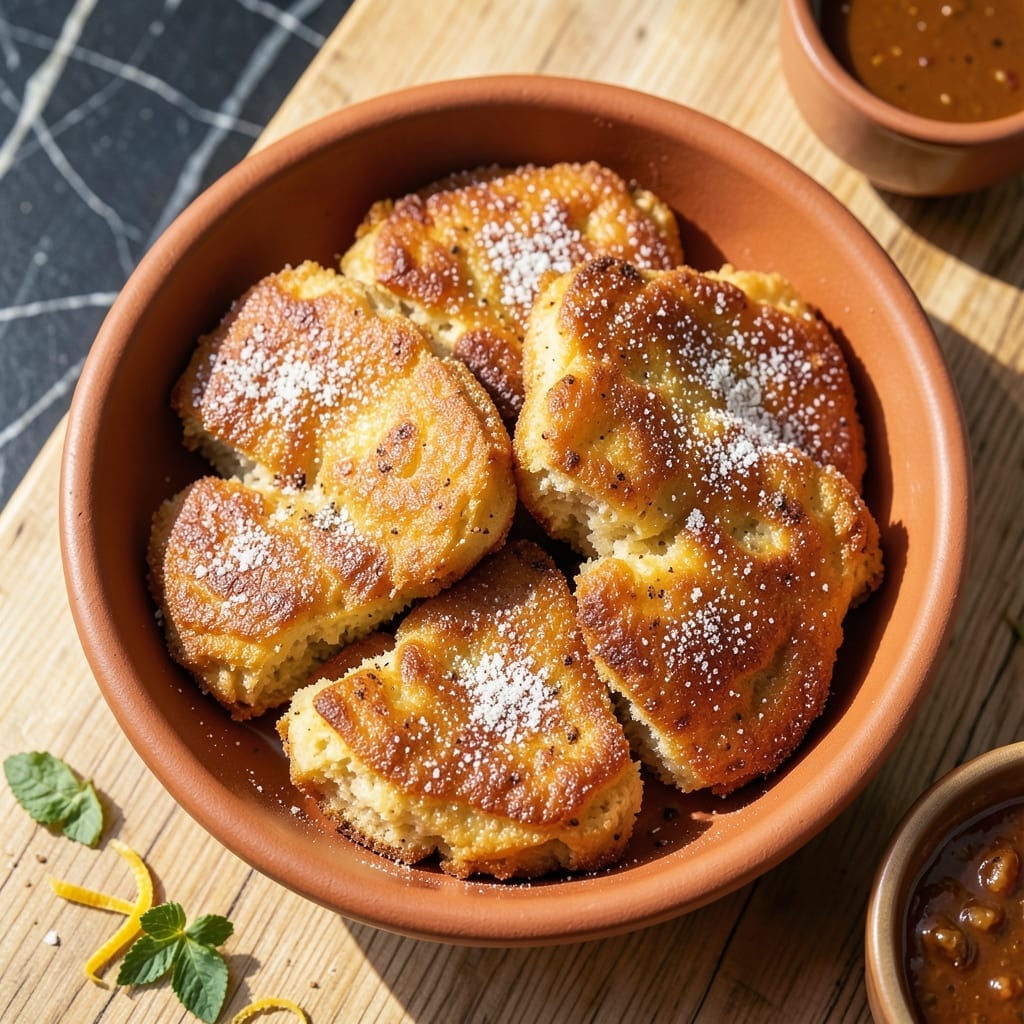
Trinidadian fried bakes bring the islands to your kitchen with their crispy, golden exterior and spiced interior. I’ve tested this method multiple times to ensure foolproof results every time.
This dish relies on simple ingredients transformed through precise technique. The dough is spiced with traditional flavors, then fried to achieve that signature crispy texture that makes these bakes irresistible.
Each bite delivers a perfect balance of soft, fluffy bread and a satisfying crunch. The spices add depth without overpowering, creating a dish that’s both comforting and authentic.
Serve warm for the best experience. Here’s how to make them right.
Ingredients for Fried Bakes Recipe Trinidad
Pantry staples and warm spices create these island-inspired golden pockets with crisp texture and soft interior.
| Ingredient | Amount | Notes |
|---|---|---|
| All-Purpose Flour 🌾 | 3 cups | Plus extra for dusting |
| Granulated Sugar 🍚 | 2 tbsp | Fine grain preferred |
| Active Dry Yeast 🍞 | 2 ¼ tsp | One standard packet |
| Ground Cinnamon 🌿 | 1 tsp | Freshly ground for best flavor |
| Ground Nutmeg 🌰 | ½ tsp | Freshly grated preferred |
| Salt 🧂 | 1 tsp | Fine sea salt recommended |
| Unsalted Butter 🧈 | 4 tbsp | Melted and cooled slightly |
| Warm Water 💧 | 1 cup | 110°F to 115°F for yeast activation |
| Vegetable Oil 🫒 | 3 cups | For deep frying |
| Large Egg 🥚 | 1 whole | For egg wash |
| Vanilla Extract 🌿 | 1 tsp | Pure extract recommended |
[recipe_ingredient_scaler]
The flour is the foundation here. King Arthur or Gold Medal all-purpose work beautifully—avoid bread flour as it can make the bakes too dense. Yeast must be fresh; check the expiration date and test it in warm water with a pinch of sugar first. Freshly grated nutmeg has a brightness that pre-ground lacks. For the butter, Plugrá or Kerrygold unsalted deliver superior flavor and consistency.
No all-purpose flour? Bread flour at half the amount mixed with cake flour can work, though texture may vary. Cinnamon can be swapped for pumpkin pie spice at the same ratio. If you lack nutmeg, allspice at half the amount adds warmth. For frying, peanut oil or canola oil are excellent alternatives, both with high smoke points. Skip the egg wash? A splash of milk works almost as well.
Dough can be refrigerated overnight—just bring it to room temperature before shaping. Fried bakes are best served warm but keep 2-3 days in an airtight container. Reheat in the oven or air fryer to restore crispiness. Freeze uncooked dough balls for up to 1 month.
Why You’ll Love This Recipe
- No Fuss Mixing: I just dump flour, sugar, yeast, and a pinch of cinnamon and nutmeg into a bowl—no fancy steps, and the dough comes together in minutes.
- Warm Spiced Comfort: The cinnamon and nutmeg in the dough give these bakes a cozy, slightly sweet flavor that’s impossible to resist.
- Breakfast to Dinner: I fry a batch on Sunday and use them for sandwiches, or serve them warm with jam—my kids love them either way.
- Pocket-Friendly Feast: A bag of flour and a few pantry staples make a dozen bakes for pennies. Honestly, it’s my go-to when I need to feed a crowd without breaking the bank.
Step-by-Step Instructions for Fried Bakes
Master this technique for consistently crispy, golden results every time.
Step 1: Activate the Yeast and Prepare the Dough
In a small bowl, combine the 1 cup warm water, 2 tbsp granulated sugar, and 2.25 tsp active dry yeast. Stir gently and let sit for 5-7 minutes until the mixture becomes frothy and cloudy—this confirms the yeast is active and ready to work.
In a large mixing bowl, whisk together the 3 cups all-purpose flour, 1 tsp ground cinnamon, 0.5 tsp ground nutmeg, and 1 tsp salt. Create a well in the center and pour in the yeast mixture along with the 4 tbsp unsalted butter (melted and cooled) and 1 tsp vanilla extract. Mix until a shaggy dough forms.
Step 2: Knead and Let the Dough Rise
Turn the dough onto a lightly floured surface and knead for 8-10 minutes until smooth and elastic. The dough should spring back when pressed lightly with a finger. If it feels too sticky, add a sprinkle of flour, but avoid over-flouring as it toughens the texture.
Place the dough in a greased bowl, cover with a damp towel, and let rise in a warm, draft-free spot for 1-1.5 hours or until doubled in size. This resting period allows the yeast to work fully, creating a light, airy texture in your finished bakes.
Step 3: Shape and Prepare for Frying
Once risen, punch down the dough and divide it into 8 equal portions. Roll each portion into a smooth ball, then flatten into a small disc about ¼-inch thick. Arrange these on a floured surface, cover with a clean towel, and let rest for an additional 20 minutes to relax the gluten.
Meanwhile, heat the 3 cups vegetable oil in a deep, heavy-bottomed pot to 350-360°F. Use a thermometer for precision—oil that’s too cool results in greasy bakes, while oil that’s too hot burns the outside before the inside cooks through.
Step 4: Fry to Golden Perfection
Carefully slide 2-3 discs at a time into the hot oil, avoiding overcrowding. Fry for 2-3 minutes per side until deep golden brown and puffed. The bakes should rise slightly and develop a crisp, crackly exterior.
Use a slotted spoon to transfer the fried bakes to a paper towel-lined plate to drain excess oil. If working in batches, allow the oil to return to 350°F between fries to maintain consistent cooking temperature.
Step 5: Finish and Serve Warm
While the bakes are still warm, brush them lightly with a mixture of the 1 whole large egg beaten with a splash of water for a subtle sheen. This step enhances their appearance and adds a delicate richness to the flavor.
Serve immediately while crispy and warm. The interior should be soft and slightly fluffy, with a hint of cinnamon and nutmeg warmth in every bite. These are best enjoyed fresh, though leftovers can be reheated in a 350°F oven for 5-7 minutes to revive their crispness.
Pro Tips For Making Fried Bakes Recipe Trinidad
- Proof the Yeast: Always activate your dry yeast in warm water with a pinch of sugar first—if it doesn’t bubble within 5 minutes, your bakes won’t rise and you’ll end up with dense, sad little pucks.
- Spice the Dough: Mix the cinnamon and nutmeg directly into the flour before adding liquids; this guarantees even distribution instead of clumps of spice in some bites and none in others.
- Rest the Dough: After kneading, let the dough rest for at least 1 hour in a warm spot—rushing this step gives you tough bakes instead of light, fluffy ones.
- Fry Low and Slow: Keep the oil at medium heat (around 350°F) and fry the bakes until deep golden brown; too hot and they’ll burn outside before cooking through, too cool and they’ll soak up oil like a sponge.
Common Mistakes When Making This Recipe
Yeast Activation Errors
I’ve ruined batches by using water that was too hot—anything above 120°F kills the yeast instantly. Always test the temperature with your finger first; it should feel warm but not scalding. Also, expired yeast won’t froth, so check the date before starting. 🌡️
Over-Flouring Dough
Adding too much flour during kneading makes the bakes dense instead of light and airy. Stick to the 3 cups all-purpose flour in the recipe, only adding extra if the dough is unbearably sticky. Trust the process—it should be slightly tacky.
Inconsistent Oil Temp
Oil below 350°F leads to greasy, soggy bakes. Above 375°F, they’ll burn outside while staying raw inside. I use a candy thermometer clipped to the pot for precise monitoring. Adjust the heat as needed between batches.
Skipping the Rest
Rushing the 20-minute rest after shaping causes the bakes to shrink in the oil. This step relaxes the gluten, ensuring they puff properly. I set a timer—patience here makes all the difference.
Also, avoid overcrowding the pot; fry only 2-3 at a time to maintain oil temperature.
Improper Draining
Placing fried bakes directly on paper towels can make them soggy. Instead, use a wire rack lined with paper towels to allow air circulation. This keeps them crispy on all sides. 💡
Nutrition Facts
Frequently Asked Questions
What’s the ideal oil temperature for frying?
Maintain 350-360°F for perfect results. Too cool and they’ll turn greasy, too hot and they’ll burn outside while staying raw inside. Use a thermometer for precision.
Can I make the dough ahead of time?
Yes! Prepare the dough, let it rise, then refrigerate overnight. Bring to room temperature before shaping. This can even enhance flavor development.
Why did my bakes come out dense?
Over-flouring during kneading or insufficient rising time are common culprits. Stick to 3 cups flour and allow 1-1.5 hours for rising. Patience is key.
How do I reheat leftovers?
Revive crispness by reheating in a 350°F oven for 5-7 minutes. Avoid the microwave—it’ll make them soggy. Best served warm.

Trained in classic French technique but raised on slow-cooked ribs and spicy rubs, she blends culinary skill with smoke and soul.
- Recipe for Boneless Pork Chops in Cast Iron Skillet: Sear and Baste to Juicy Perfection - October 3, 2026
- Recipe for Boneless Cross Rib Roast: Slow-Roasted Beef with Herb Crust - October 3, 2026
- Hamburgers in Sauce Recipe Crock Pot: Slow-Cooked Savory Delight - October 3, 2026