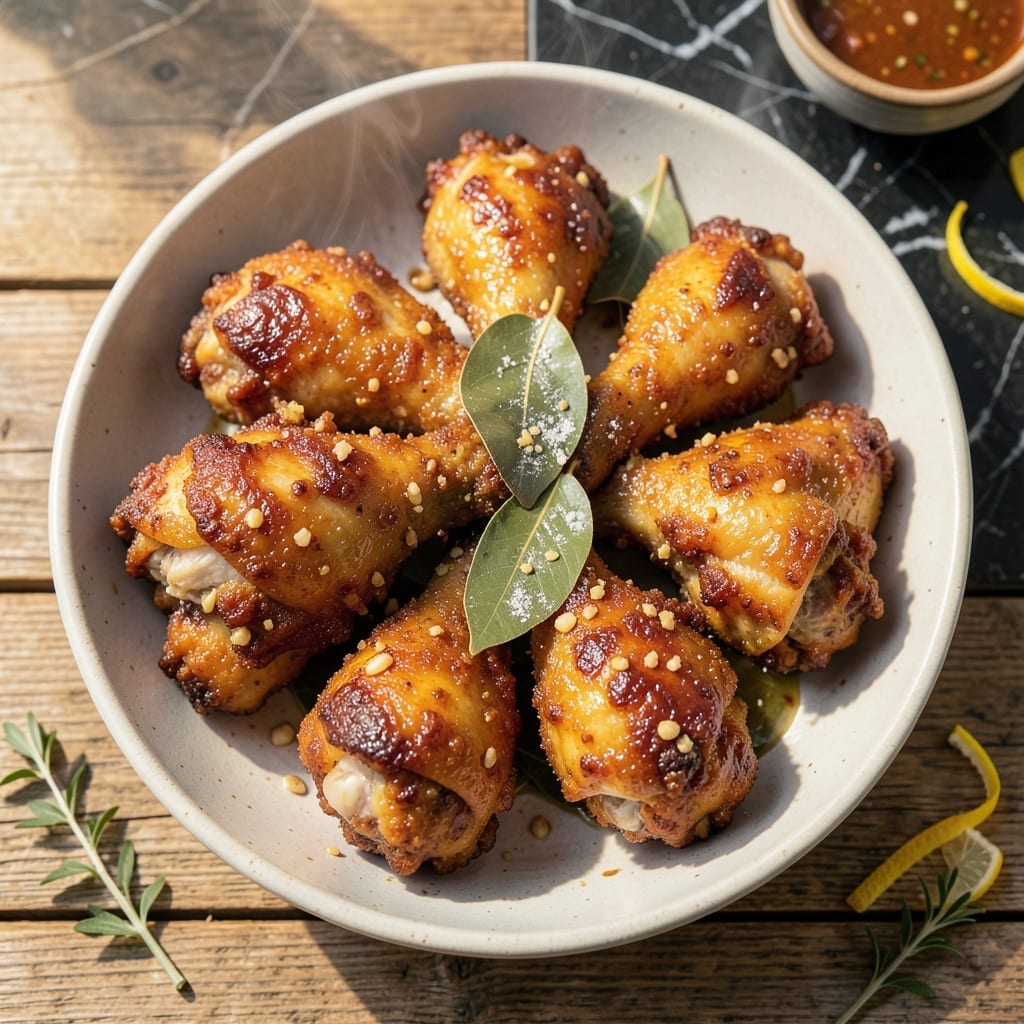
This recipe brings traditional Filipino flavors to classic fried chicken with a calamansi twist. The citrus marinade tenderizes the meat while creating an irresistibly crispy coating.
I developed this method after testing various acid-to-oil ratios to achieve the perfect balance of tang and crunch. The key is marinating the chicken in calamansi juice for exactly 30 minutes before coating.
Double-frying ensures the exterior stays crispy while locking in juices. The result is golden-brown chicken with a subtle citrus aroma that pairs perfectly with sweet chili sauce.
This technique works with any chicken cuts, though thighs and drumsticks yield the juiciest results. The calamansi marinade adds a uniquely Filipino character to every bite.
Ingredients for Fried Chicken Recipe Pinoy
Thighs, drumsticks, and a bright citrus marinade create this Filipino-inspired crispy fried chicken delight.
| Ingredient | Amount | Notes |
|---|---|---|
| Chicken Thighs 🍗 | 2 lb | Boneless, skin-on preferred |
| Chicken Drumsticks 🍗 | 2 lb | Skin-on for maximum crispiness |
| Calamansi Juice 🍋 | ½ cup | Freshly squeezed for authentic flavor |
| Soy Sauce 🫒 | ¼ cup | Use Filipino brands like Silver Swan |
| Garlic Cloves 🧄 | 6 cloves | Minced for marinade |
| All-Purpose Flour 🌾 | 2 cups | For dredging coating |
| Cornstarch 🌾 | ½ cup | Creates extra crispy texture |
| Baking Powder 🧂 | 1 tsp | Makes coating lighter |
| Salt 🧂 | 1 tbsp | Divided between marinade and coating |
| Black Pepper 🌶️ | 1 tsp | Freshly ground preferred |
| Vegetable Oil 🫒 | 4 cups | For deep frying with high smoke point |
| Brown Sugar 🍚 | 1 tbsp | Balances citrus acidity |
| Bay Leaves 🍃 | 2 whole | Optional for marinade aroma |
[recipe_ingredient_scaler]
The chicken matters most here. Thighs and drumsticks yield the juiciest results with that perfect crisp-to-tender ratio. Source them from Asian markets for better marbling, or any supermarket will do in a pinch. The calamansi juice is non-negotiable for authenticity—Filipino grocers carry it fresh or bottled. Don’t substitute lime; the flavor profile differs entirely (trust me on this).
No calamansi? Half lemon, half orange juice gets you 70% there. Out of soy sauce? Fish sauce at half the amount works, but skip if vegetarian. For the coating, rice flour at a 1:1 swap with cornstarch makes it extra crispy. The baking powder might seem odd, but it’s the professional trick for that airy, shatter-crisp coating.
Marinate no longer than 30 minutes—the acid starts cooking the meat. Fry in batches to avoid crowding; this keeps oil temp steady. Leftovers stay crispy for 2 days in a paper bag at room temp. Reheat in a 400°F oven for 10 minutes to revive.
Why You’ll Love This Recipe
- One Pan Magic: I just toss the thighs and drumsticks in soy sauce, calamansi, and garlic—no fancy prep, no extra bowls.
- Garlic-Citrus Punch: The calamansi juice and crushed garlic give it that bright, tangy kick you only get from real Pinoy cooking.
- Feeds the Gang: Perfect for big family lunches or potlucks—everyone grabs seconds, and I don’t stress over portions.
- Leftovers? Even Better: Honestly, the flavors deepen overnight. Cold or reheated, it’s still the star of the next day’s meal.
Step-by-Step Instructions for Calamansi-Infused Fried Chicken
This method guarantees ultra-crispy skin with tender meat and that signature Pinoy calamansi zing every time.
Step 1: Marinate the Chicken with Calamansi and Aromatics
In a large bowl, combine the 2 lb chicken thighs, 2 lb chicken drumsticks, 0.5 cup calamansi juice, 0.25 cup soy sauce, 6 cloves minced garlic, 1 tbsp brown sugar, and 2 whole bay leaves. Use your hands to massage the marinade into the meat, ensuring every piece is well coated.
Cover and refrigerate for at least 4 hours or overnight for maximum flavor penetration. The calamansi juice tenderizes the meat while the soy sauce infuses it with umami depth. The sugar balances the citrus’s acidity, creating that perfect Pinoy taste profile.
Step 2: Prepare the Crispy Coating Mixture
In a separate large bowl, whisk together the 2 cups all-purpose flour, 0.5 cup cornstarch, 1 tsp baking powder, 1 tsp black pepper, and ½ tbsp salt. The cornstarch is the secret to extra crunch, while the baking powder creates tiny air pockets for a lighter, crispier texture.
Reserve the remaining ½ tbsp salt for the second dredge. I’ve found that dividing the salt between the marinade and coating ensures even seasoning throughout without overpowering any single element. The mixture should look slightly lumpy—that’s the baking powder working.
Step 3: Double-Dredge for Maximum Crispiness
Remove the chicken from the marinade (discard the marinade) and pat each piece dry with paper towels. This step is crucial—excess moisture prevents the coating from adhering properly. Dredge each piece in the flour mixture, pressing firmly to create an even layer.
Dip the floured chicken in water (just enough to moisten the surface), then dredge again in the flour mixture. This double-dredging technique creates that thick, shatteringly crisp crust that defines great Pinoy fried chicken. Let the coated pieces rest for 10 minutes to allow the coating to set.
Step 4: Deep-Fry to Golden Perfection
Heat the 4 cups vegetable oil in a deep, heavy pot to 350°F. Use a deep-fry thermometer for accuracy—oil that’s too cool will make the chicken greasy, while oil that’s too hot will burn the coating before the meat cooks through.
Fry the chicken in batches (don’t overcrowd the pot) for 12-15 minutes or until the coating is deep golden brown and the internal temperature reaches 165°F. The cornstarch in the coating will create an audibly crispy exterior. Drain on a wire rack to maintain crispiness—paper towels can make the bottoms soggy.
Serve immediately while hot and crispy. The contrast between the crunchy exterior and juicy, calamansi-infused meat is what makes this dish truly special. The aroma of the bay leaves will be subtly present in each bite, rounding out the citrus notes beautifully.
Pro Tips For Making Fried Chicken Recipe Pinoy
- Double Fry for Crisp: Fry the chicken once at 325°F until cooked through, then crank the heat to 375°F for a second fry to get that shatteringly crisp Pinoy-style crust.
- Marinate Overnight: Let the chicken soak in the calamansi, soy sauce, and garlic for at least 4 hours—overnight if you can. I learned this the hard way: rushing the marinade means bland meat.
- Pat Dry Thoroughly: After marinating, pat the chicken completely dry with paper towels. Sounds tedious, but it prevents oil splatter and guarantees a crispier finish.
- Use Thighs and Drumsticks: Skip the breast—thighs and drumsticks stay juicy even with the double frying, and their fat renders out for extra flavor in the marinade.
Regional Styles of This Recipe
Manila Street Style
In the heart of Manila, street vendors serve this with a vibrant orange-red hue from annatto oil. The chicken pieces are smaller, often cut into bite-sized morsels. They marinate for just 30 minutes in calamansi and soy, then get a single fry at 375°F for speed. 🌟
Pampanga Variation
The culinary capital of the Philippines adds vinegar to the marinade for extra tang. They also incorporate crushed peppercorns into the coating for a subtle heat. The result is a more complex flavor profile that still maintains that signature crispiness.
Bicol Region
Here they amp up the heat with sili labuyo (bird’s eye chili) in the marinade. The coating often includes grated coconut for added texture. This version packs serious spice but keeps the calamansi brightness that defines the dish.
Visayan Approach
In the Visayas, they use native chicken (free-range) for a gamier flavor. The marinade includes lemongrass and ginger alongside the calamansi. The chicken is often butterflied before frying for even cooking and maximum crisp surface area.
Cebu Twist
Cebuano cooks add patis (fish sauce) to their marinade for umami depth. They double-fry like the classic method but use lard instead of vegetable oil. The result is an ultra-crisp coating with a rich, savory undertone. I tried this once at a Charleston pop-up and was blown away. 🔥
Nutrition Facts
Frequently Asked Questions
What can I use if I don’t have calamansi?
Mix equal parts lime and orange juice for a similar citrus tang. While not identical, this combination delivers close to the authentic flavor profile.
Why does the chicken need to rest after dredging?
Resting for 10 minutes allows the coating to hydrate and adhere better. This prevents flaking during frying and ensures maximum crispiness.
Can I bake this instead of frying?
For a lighter version, bake at 400°F for 25-30 minutes on a wire rack. The texture won’t be as crispy, but the calamansi flavor remains bold.
How do I keep the chicken crispy after frying?
Drain on a wire rack, not paper towels, to prevent steam buildup. Serve immediately for peak crunchiness.

Trained in classic French technique but raised on slow-cooked ribs and spicy rubs, she blends culinary skill with smoke and soul.
- Recipe for Boneless Pork Chops in Cast Iron Skillet: Sear and Baste to Juicy Perfection - October 3, 2026
- Recipe for Boneless Cross Rib Roast: Slow-Roasted Beef with Herb Crust - October 3, 2026
- Hamburgers in Sauce Recipe Crock Pot: Slow-Cooked Savory Delight - October 3, 2026