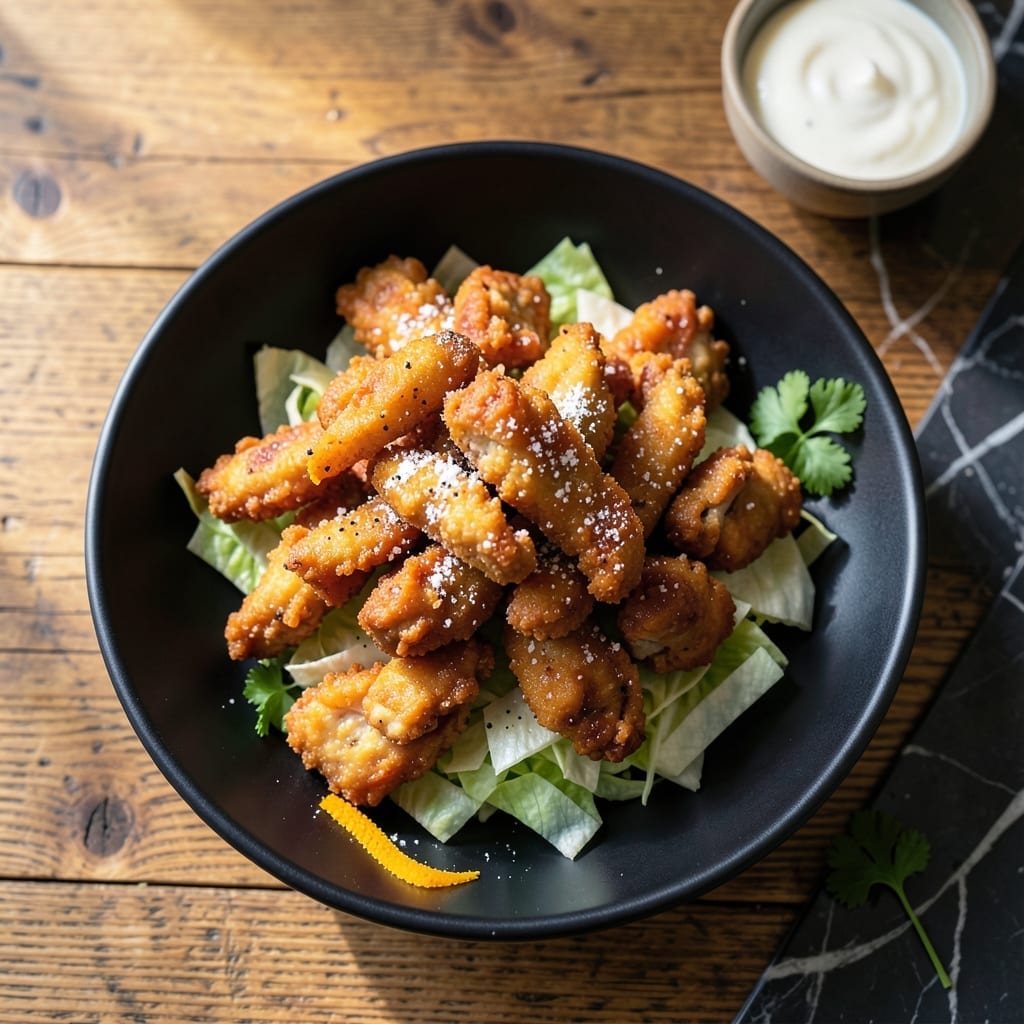
Southern kitchens have long cherished this method for achieving crispy, golden gizzards that stay tender inside. The buttermilk soak is non-negotiable—it tenderizes while adding a subtle tang that enhances the final flavor.
I’ve tested multiple techniques, and the key is maintaining oil at a steady 350°F. This ensures even cooking without burning the coating. Each piece emerges with a shatteringly crispy exterior that gives way to juicy meat.
Drain on a wire rack to preserve the crunch, not paper towels. The steam from towels can soften the coating, ruining your hard-earned texture.
Serve hot with hot sauce or ranch for the full experience. This is comfort food at its finest.
Ingredients for Fried Gizzard Recipe Buttermilk
Pantry staples plus a buttermilk soak make these Southern bites unforgettable.
| Ingredient | Amount | Notes |
|---|---|---|
| Chicken Gizzards 🍗 | 1 ½ lb | Trimmed and cleaned thoroughly |
| Buttermilk 🥛 | 2 cups | Full-fat for best results |
| All-Purpose Flour 🌾 | 2 cups | Divided for dredging and coating |
| Cornstarch 🌽 | ½ cup | For extra crispiness |
| Salt 🧂 | 2 tsp | Diamond Crystal kosher preferred |
| Black Pepper 🌶️ | 1 tsp | Freshly ground for bold flavor |
| Garlic Powder 🧄 | 1 tsp | Not garlic salt |
| Onion Powder 🧅 | 1 tsp | Balances the seasoning blend |
| Paprika 🌶️ | 1 tsp | Sweet or smoked variety |
| Cayenne Pepper 🔥 | ¼ tsp | Adjust for heat preference |
| Vegetable Oil 🫒 | 4 cups | For deep frying, high smoke point |
| Hot Sauce 🌶️ | ½ cup | For serving, optional |
| Ranch Dressing 🥣 | ½ cup | For serving, optional |
[recipe_ingredient_scaler]
The gizzards are everything here. Ask your butcher to clean and trim them—saves time and hassle. Most grocery stores sell them pre-packaged near the chicken, but local butcher shops often have fresher options. Look for plump, moist pieces without any off odors. The buttermilk matters too—full-fat from a trusted brand like Organic Valley or Cultured works best for that tangy soak.
No buttermilk? Whole milk plus a tablespoon of lemon juice or vinegar gets you close. Swap cornstarch for arrowroot powder at a 1:1 ratio if needed. The paprika can be smoked for deeper flavor, or omit the cayenne if you prefer mild heat. For the oil, peanut or canola work just as well as vegetable oil—just ensure a high smoke point for that steady 350°F.
Fry in batches to avoid crowding the pot. Drain on a wire rack (not paper towels!) to keep the coating crisp. Leftovers reheat in the oven at 375°F for 10-15 minutes. Best eaten fresh but keeps for 2-3 days in the fridge.
Why You’ll Love This Recipe
- Minimal Fuss: Soak the gizzards in buttermilk overnight, then a quick dredge in flour and cornstarch—done. I’ll be real: it’s harder to mess this up than to get it right.
- That Crunch: The buttermilk makes them tender inside while the cornstarch gives that golden, shatter-crisp coating. Honestly, it’s the only way I’ll eat gizzards now.
- Feeds a Hungry Crowd: Perfect for game day or Sunday supper. Between us, even the picky eaters at my table ask for seconds.
- Pocket-Friendly Protein: Gizzards cost pennies per pound, and this recipe stretches them into a meal that tastes like a million bucks. Leftovers? Still ridiculous the next day.
Step-by-Step Instructions for Fried Gizzards in Buttermilk
Here’s how to get that perfect crispy exterior with tender, juicy gizzards every time.
Step 1: Marinate the Gizzards in Buttermilk
Place the 1.5 lb chicken gizzards in a large bowl and pour in the 2 cups buttermilk. I like to press them down so they’re fully submerged—that’s how the buttermilk works its magic.
Cover and refrigerate for at least 4 hours, or ideally overnight. This step tenderizes the gizzards and infuses them with flavor. The longer they soak, the more tender they’ll be. You’ll notice the buttermilk turns slightly cloudy—that’s a good sign it’s doing its job.
Step 2: Prepare the Seasoned Flour and Cornstarch Coating
In a shallow dish, whisk together the 2 cups all-purpose flour, 0.5 cup cornstarch, 2 tsp salt, 1 tsp black pepper, 1 tsp garlic powder, 1 tsp onion powder, 1 tsp paprika, and 0.25 tsp cayenne pepper.
The cornstarch is the secret for extra crispiness, and the cayenne adds just a hint of heat. I always sift the flour first to avoid lumps in the coating. This blend should look evenly speckled with the spices—if it doesn’t, give it another good whisk.
Step 3: Dredge and Double-Coat the Gizzards
Remove the chicken gizzards from the buttermilk, letting any excess drip off. Dredge each piece in the seasoned flour mixture, pressing firmly to adhere. Then, dip them back into the buttermilk and dredge in the flour mixture a second time. This double-coating ensures that maximum crispiness.
Place the coated gizzards on a wire rack set over a baking sheet and let them rest for 10 minutes. This helps the coating set and prevents it from falling off during frying. You’ll see the coating tighten up slightly—that’s how you know it’s ready for the oil.
Step 4: Deep-Fry to Golden Perfection
Heat the 4 cups vegetable oil in a deep, heavy-bottomed pot or Dutch oven to 350°F. Use a deep-fry thermometer for accuracy—if the oil isn’t hot enough, the gizzards will absorb too much oil and turn greasy.
Carefully lower the gizzards into the hot oil in batches, avoiding overcrowding. Fry for 6-8 minutes until they’re deep golden brown and crispy. Turn them occasionally with tongs to ensure even cooking. When they float to the surface and the coating is uniformly browned, they’re done.
Transfer the fried gizzards to a paper towel-lined plate to drain any excess oil. The coating should be audibly crisp when you place them down—that’s the sound of success.
Step 5: Serve Hot with Dipping Sauces
Let the gizzards cool for 2-3 minutes before serving—they’ll be piping hot inside. Arrange them on a platter and serve immediately with the 0.5 cup hot sauce and 0.5 cup ranch dressing on the side for dipping.
The contrast of the crispy exterior and tender interior is what makes these so addictive. Real talk: if they’re not gone within 10 minutes, you’re doing it wrong. These are best enjoyed fresh, while the coating is still at its peak crispness.
Pro Tips For Making Fried Gizzard Recipe Buttermilk
- Tenderize First: Soak gizzards in buttermilk for at least 4 hours—overnight if you can. I learned this the hard way after serving rubbery gizzards to dinner guests once too often.
- Double Dredge: Dip the buttermilk-soaked gizzards in flour, then cornstarch, then back in flour. Sounds tedious, but it creates that shatteringly crisp crust that makes fried gizzards irresistible.
- Hot Oil Only: Use a thermometer and keep the oil at 350-375°F. After burning two batches, I finally realized that anything lower just gives you greasy, sad gizzards instead of golden, crispy ones.
- Salt the Buttermilk: Add 1 teaspoon of salt per cup of buttermilk before soaking. My grandmother swore by this, and she was right—it seasons the gizzards all the way through.
Make-Ahead Tips for This Dish
Marinate Ahead
Soak the 1.5 lb chicken gizzards in 2 cups buttermilk up to 24 hours before cooking. The longer soak makes them incredibly tender. I often prep this the night before for maximum flavor infusion.
Prep Coating Mix
Combine the 2 cups flour, 0.5 cup cornstarch, and all spices in an airtight container. This mix stays fresh for 2 weeks in your pantry. Just whisk before using to redistribute the spices evenly.
Double-Coat Early
Dredge the gizzards up to 2 hours before frying and let them rest on a wire rack. The coating will set beautifully, creating that shatteringly crispy texture when cooked. 💡
Oil Temperature
Heat your 4 cups oil to 350°F before starting. Use a deep-fry thermometer for accuracy. Maintaining steady heat is crucial for even cooking and that perfect golden-brown finish.
Batch Frying
Fry in small batches to avoid crowding. Overcrowding lowers the oil temperature, leading to greasy results. I use a Dutch oven for best heat retention and even cooking.
Reheating Tips
Reheat leftovers in a 375°F oven for 10-15 minutes to restore crispiness. Avoid the microwave—it turns the coating soggy. Best eaten fresh, but keeps well for 2-3 days in the fridge. ❄️
Nutrition Facts
Frequently Asked Questions
How long should I soak gizzards in buttermilk?
Soak them for at least 4 hours, but overnight is ideal. The longer soak tenderizes the meat and enhances flavor.
Can I use milk instead of buttermilk?
Yes! Mix 2 cups milk with 1 tablespoon lemon juice or vinegar, then let sit for 5 minutes to mimic buttermilk’s tang and tenderizing properties.
Why is my coating falling off during frying?
This usually happens if the oil isn’t hot enough or the coating didn’t rest after dredging. Ensure oil reaches 350°F and let coated gizzards rest for 10 minutes before frying.
What’s the best way to reheat leftovers?
Use a 375°F oven for 10-15 minutes to restore crispiness. Avoid microwaves—they make the coating soggy.

Trained in classic French technique but raised on slow-cooked ribs and spicy rubs, she blends culinary skill with smoke and soul.
- Recipe for Boneless Pork Chops in Cast Iron Skillet: Sear and Baste to Juicy Perfection - October 3, 2026
- Recipe for Boneless Cross Rib Roast: Slow-Roasted Beef with Herb Crust - October 3, 2026
- Hamburgers in Sauce Recipe Crock Pot: Slow-Cooked Savory Delight - October 3, 2026