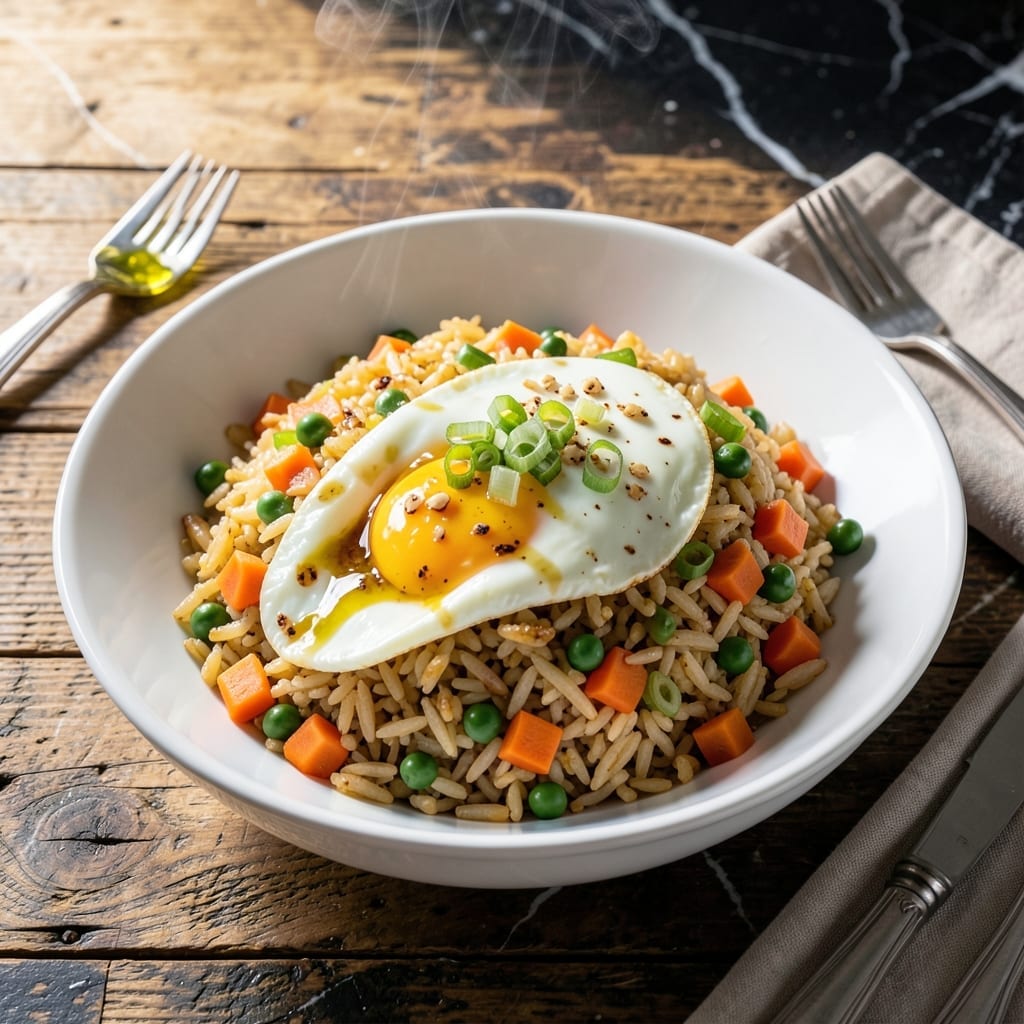
Few dishes capture Kiwi resourcefulness like a well-made fried rice, where day-old grains transform into something far greater than their parts. This version celebrates New Zealand’s love for fresh, local produce with a wok-tossed approach that’s both practical and packed with flavor.
The method is straightforward yet precise: high heat, quick hands, and a balance of textures from crisp vegetables to tender egg. I’ve refined this technique over years of home cooking, ensuring every bite delivers that signature wok hei charm without special equipment.
What emerges is a dish that’s hearty yet light, with each ingredient—from spring onions to soy sauce—playing a distinct role. The rice itself becomes slightly crisp at the edges, soaking up the umami-rich seasonings while maintaining its individual grains.
Perfect for using up leftovers, this fried rice turns humble ingredients into a meal worth savoring. Here’s how to make it at home.
Ingredients for Fried Rice Recipe Nz
Transform day-old rice and fresh local produce into this vibrant wok-tossed dish.
| Ingredient | Amount | Notes |
|---|---|---|
| Cooked Long-Grain White Rice 🍚 | 4 cups | Day-old, chilled for best texture |
| Large Eggs 🥚 | 3 whole | Beaten for scrambling in wok |
| Spring Onions 🧅 | 4 whole | Thinly sliced, whites and greens separated |
| Carrots 🥕 | 2 whole | Medium, finely diced for even cooking |
| Frozen Green Peas 🌱 | 1 cup | Thawed, patted dry to prevent sogginess |
| Garlic Cloves 🧄 | 3 cloves | Minced for maximum flavor infusion |
| Fresh Ginger Root 🌿 | 1 tbsp | Peeled, finely grated for zing |
| Light Soy Sauce 💧 | 3 tbsp | Low-sodium preferred for salt control |
| Dark Soy Sauce 💧 | 1 tbsp | For depth and color enhancement |
| Sesame Oil 🫒 | 2 tsp | Toasted for nutty aroma |
| Neutral Cooking Oil 🫒 | 3 tbsp | High smoke point for wok frying |
| Kosher Salt 🧂 | ½ tsp | Adjust to taste after cooking |
| Ground White Pepper 🌶️ | ¼ tsp | Classic for authentic flavor |
| Cooked Chicken Breast 🍗 | 1 cup | Diced, optional protein addition |
[recipe_ingredient_scaler]
The rice is critical—day-old, chilled long-grain prevents mushiness. New Zealand-grown carrots and spring onions add authentic local flavor (find them at Countdown or New World supermarkets). For soy sauces, Lee Kum Kee offers reliable quality at most Asian grocers. The ginger and garlic should be fresh; pre-minced versions lack the necessary punch for this dish.
No cooked chicken? Shrimp or tofu work beautifully—just ensure they’re pre-cooked to maintain the quick wok-fry method. Fresh peas instead of frozen are great if in season. Light soy sauce can be swapped for tamari (gluten-free), but reduce by one-third as it’s saltier. The sesame oil is non-negotiable for that signature aroma—Kadokawa brand is a favorite among Kiwi cooks.
Store cooked components separately in the fridge for up to 3 days. Reheat in a wok or skillet with a splash of water to revive. Freezing isn’t ideal—fried rice loses its signature texture. Always cook rice fresh for this dish, never use warm rice (it’ll turn to mush).
Why You’ll Love This Recipe
- One Pan Wonder: I toss in the rice, eggs, and veggies—carrots, peas, spring onions—and it’s done in one go.
- That Crispy Bite: The edges of the rice get this perfect golden crunch while the peas stay sweet and fresh.
- Lunchbox Hero: I pack leftovers for work, and honestly, it tastes even better the next day.
- Budget Stretch: A handful of rice and whatever veggies I’ve got—this feeds my family without breaking the bank.
Step-by-Step Instructions for Kiwi-Style Fried Rice
Master the wok with this precise method for perfectly textured fried rice every time.
Step 1: Prepare and Heat the Wok
Begin by heating your wok over high heat until it just begins to smoke. Add 2 tablespoons of the neutral cooking oil and swirl to coat the surface evenly. The oil should shimmer but not burn—this creates the ideal environment for quick, even cooking without sticking.
I recommend using a well-seasoned carbon steel wok for this recipe, as it distributes heat beautifully and develops that coveted wok hei (breath of the wok) flavor. If using non-stick, reduce heat slightly to medium-high to prevent overheating the coating.
Step 2: Scramble the Eggs and Cook Aromatics
Pour the 3 beaten large eggs into the hot wok. Let them set for 10 seconds before gently scrambling with a spatula until just set but still slightly runny. Remove the eggs to a plate—they’ll finish cooking later when combined with the other ingredients.
Add the remaining 1 tablespoon neutral cooking oil to the wok, then immediately add the minced garlic cloves, grated fresh ginger root, and the white parts of the spring onions. Stir-fry for 30-45 seconds until fragrant but not browned. The garlic should sizzle and turn just pale golden.
Add the finely diced carrots and cook for 2 minutes until they begin to soften. Then add the thawed frozen green peas and stir-fry for another 1 minute until heated through.
Step 3: Combine Rice and Protein
Increase heat to maximum and add the 4 cups cooked long-grain white rice, breaking up any clumps with your spatula. Press the rice against the hot wok surface for 30 seconds to develop some crispy bits—this adds texture contrast to the finished dish.
Add the diced cooked chicken breast and the scrambled eggs back to the wok. Stir-fry for 2-3 minutes until everything is heated through and the rice takes on a slightly toasted appearance. The chicken should be fully warmed and the rice grains should be separate and glossy.
Step 4: Season and Finish
Create a well in the center of the wok and add the 3 tablespoons light soy sauce, 1 tablespoon dark soy sauce, 0.5 teaspoon kosher salt, and 0.25 teaspoon ground white pepper. Stir everything together thoroughly to distribute the seasonings evenly.
Drizzle the 2 teaspoons sesame oil around the edges of the wok and toss to incorporate. Remove from heat and stir in the green parts of the spring onions. The final dish should have rice grains that are distinct yet coated with sauce, with visible flecks of egg, chicken, and vegetables throughout.
Taste and adjust seasoning if needed, though the combination of light and dark soy sauces should provide perfect balance. The dark soy adds depth and color while the light soy provides saltiness.
Pro Tips For Making Fried Rice Recipe Nz
- Use Day-Old Rice: Fresh rice is too moist and will turn to mush—spread leftover rice on a tray and refrigerate overnight to dry it out. I learned this the hard way after my first few attempts turned into a sticky mess.
- Crank the Heat: Get your wok or pan screaming hot before adding the eggs and veggies. After burning three batches, I finally figured out that high heat is the only way to get that classic wok-hei flavor.
- Thaw Peas First: Rinse frozen peas under warm water for 30 seconds to thaw them before tossing in. Sounds weird, but it works—they cook evenly and won’t turn your fried rice watery.
- Scramble Eggs Separately: Beat the eggs with a pinch of salt and cook them in a thin, soft scramble first, then set aside. My grandmother swore by this, and it keeps them fluffy instead of rubbery in the final dish.
Serving Suggestions for This fried rice recipe nz
Garnish with Freshness
I always finish with extra spring onion greens for a pop of color and mild bite. A sprinkle of toasted sesame seeds adds nutty crunch. For a Kiwi twist, try microgreens from my Portland garden—they bring a delicate freshness that complements the dish beautifully. 🌱
Protein Swaps
If using shrimp instead of chicken, pat them dry first to prevent steaming. For vegetarians, firm tofu cubes work well—press them for 15 minutes before cooking. Both options absorb the soy-ginger flavors beautifully.
Serve with Style
Present in a large shallow bowl for family-style serving. The wide surface lets everyone see the vibrant colors. I love using my handmade ceramic bowl from the Portland Saturday Market—it makes the meal feel special.
Pair with Simplicity
A light cucumber salad with rice vinegar balances the richness. For beverages, green tea or a crisp New Zealand Sauvignon Blanc cuts through the savory notes. Both pair perfectly with the umami depth. 💡
Add Heat Optionally
Offer sriracha or chili oil on the side for heat lovers. I keep Lee Kum Kee chili garlic sauce in my pantry—just 1 teaspoon per serving adds warmth without overpowering the dish.
Make It Interactive
Set out small bowls of toppings: crushed peanuts, lime wedges, or extra soy sauce. This lets everyone customize their plate. My daughter Lily loves adding raised eyebrows worth of extra greens! ✨
Nutrition Facts
Frequently Asked Questions
Can I use freshly cooked rice?
No, always use day-old chilled rice for best texture. Fresh rice contains too much moisture and will turn mushy when stir-fried. Spread hot rice on a tray to cool quickly if you’re in a hurry.
What can I substitute for dark soy sauce?
Use 1 tablespoon more light soy sauce plus 1/2 teaspoon sugar or molasses. This mimics the color and slight sweetness of dark soy. The flavor won’t be identical but works in a pinch.
Why does my fried rice turn out soggy?
Overcrowding the wok or using too much oil causes steam instead of frying. Cook in batches if needed and keep heat at maximum throughout. Ensure all ingredients are dry before adding.
Can I make this vegetarian?
Replace chicken with firm tofu (pressed 15 minutes) or 1 cup mixed diced veggies. Add a splash of oyster sauce substitute for extra umami.

Trained in classic French technique but raised on slow-cooked ribs and spicy rubs, she blends culinary skill with smoke and soul.
- Recipe for Boneless Pork Chops in Cast Iron Skillet: Sear and Baste to Juicy Perfection - October 3, 2026
- Recipe for Boneless Cross Rib Roast: Slow-Roasted Beef with Herb Crust - October 3, 2026
- Hamburgers in Sauce Recipe Crock Pot: Slow-Cooked Savory Delight - October 3, 2026