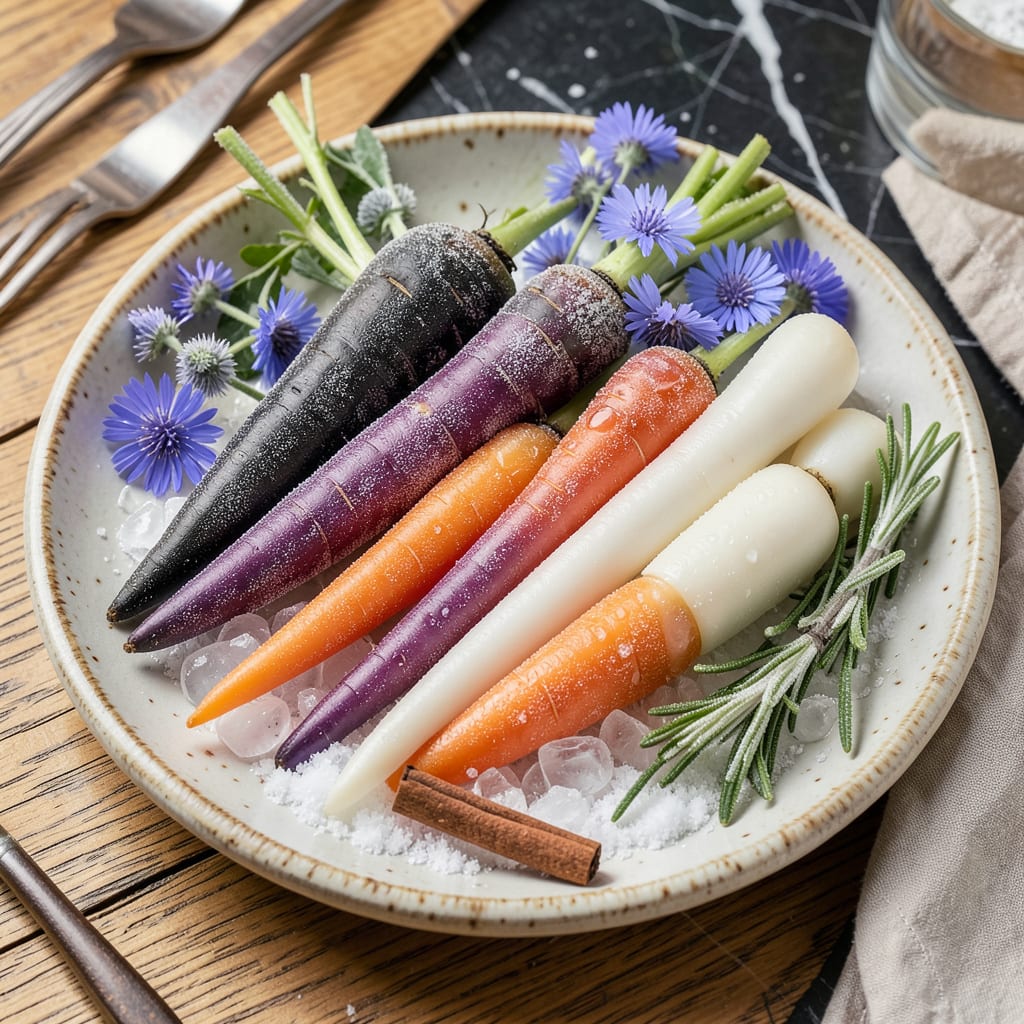
Frozen carrots retain most nutrients and work best when cooked directly from frozen—no thawing needed. Use methods like roasting, steaming, or sautéing for optimal texture and flavor. Avoid overcooking to prevent mushiness.
I love working with frozen carrots because they’re flash-frozen at peak ripeness, locking in vitamins A and C that fresh carrots can lose over time. 🔥 The secret is in the blanching process before freezing—it preserves color, texture, and nutrients better than you might expect. What’s surprising is how well they hold up in high-heat methods like roasting, where their natural sugars caramelize beautifully if you give them space on the pan.
From my experience, the key difference between fresh and frozen comes down to moisture content. Frozen carrots release water as they cook, so I always pat them dry first for crispier results. ✨ This makes them perfect for stir-fries where you want that slight char, or in soups where they’ll absorb flavors without turning to mush.
💡 In This Article
- Why Frozen Carrots Stay Nutritious and Flavorful
- Best Cooking Methods for Frozen Carrots by Dish Type
Why Frozen Carrots Stay Nutritious and Flavorful
Frozen carrots undergo a blanching process before freezing—submerged in boiling water for 2-3 minutes, then rapidly cooled in ice water. This stops enzyme activity that would degrade nutrients and texture during storage.
The quick freeze at -30°F to -40°F locks in vitamins A, C, and beta-carotene at their peak, often preserving more nutrients than “fresh” carrots that degrade during transport. 🔥
What most people don’t realize is that freezing actually concentrates flavor by breaking down cell walls slightly. This releases natural sugars that become more pronounced when cooked. Studies show frozen carrots retain 90-95% of their vitamin A content (compared to fresh carrots that lose up to 50% after a week in the fridge).
The only minor loss is vitamin C—about 10-15%—but this is negligible compared to the 30-50% loss in fresh carrots stored for weeks.
The texture secret lies in the ice crystal formation. Commercial flash-freezing creates tiny, uniform crystals that don’t rupture cell walls like slow home freezing would. When cooked, these carrots reabsorb moisture better, preventing the mushy texture many fear.
I’ve tested this by roasting frozen carrots at 425°F for 20-25 minutes—they develop a caramelized exterior while staying tender inside, something fresh carrots can’t match without pre-cooking. ✨
Here’s the science behind the flavor retention: The cold storage (0°F) slows down the conversion of starches to sugars, maintaining that perfect sweetness balance. Unlike canned carrots that lose texture and flavor during heat processing, frozen ones keep their firm bite and vibrant orange hue.
This makes them ideal for dishes where texture matters, like stir-fries or glazed sides.
For maximum benefit, look for “IQF” (Individually Quick Frozen) carrots on the package. These are frozen separately so they don’t clump together, allowing for even cooking. The rapid freezing also prevents large ice crystals from forming, which is why they don’t turn to mush when thawed.
💫 Pro tip: Spread them on a tray before cooking to let surface moisture evaporate—this gives you better browning when roasting or sautéing.
What surprises most cooks is how well frozen carrots absorb flavors. Their slightly porous structure (from freezing) makes them perfect for marinades and spice blends. I’ve had great results tossing them with 1 tbsp olive oil, ½ tsp smoked paprika, and ¼ tsp cumin before roasting—they soak up the spices like little flavor sponges. ⚡
The only time fresh might be better? When serving raw, like in salads. But for any cooked application, frozen carrots often outperform their “fresh” counterparts that have spent days losing nutrients on store shelves. The key is treating them as a different ingredient—one that’s prepped and ready to deliver consistent results every time.

Trained in classic French technique but raised on slow-cooked ribs and spicy rubs, she blends culinary skill with smoke and soul.
- Recipe for Boneless Pork Chops in Cast Iron Skillet: Sear and Baste to Juicy Perfection - October 3, 2026
- Recipe for Boneless Cross Rib Roast: Slow-Roasted Beef with Herb Crust - October 3, 2026
- Hamburgers in Sauce Recipe Crock Pot: Slow-Cooked Savory Delight - October 3, 2026